Key Takeaways
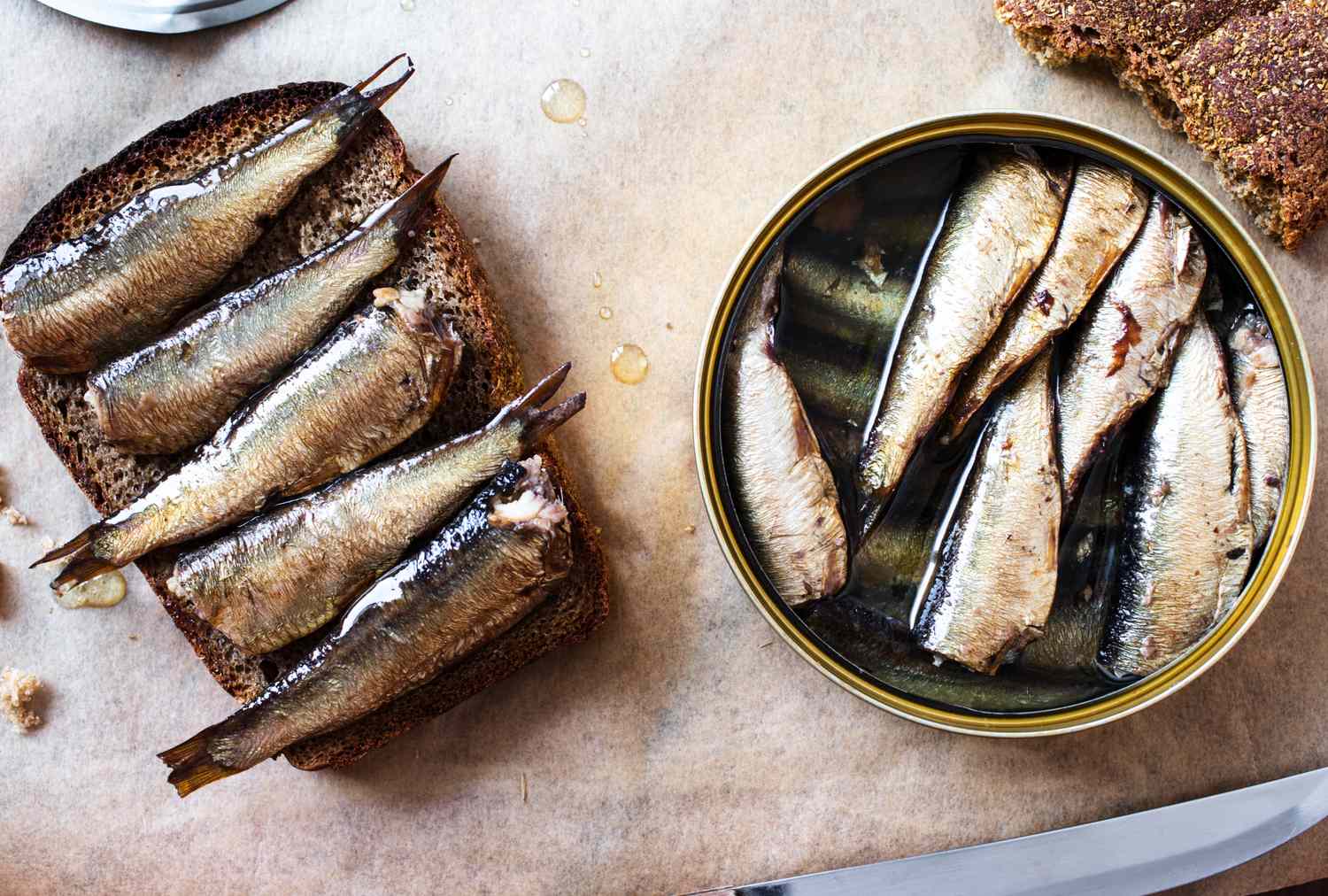
Tinned fish contains protein and heart-healthy omega-3 fatty acids.Adding tinned fish to your diet provides a good source of vitamins and minerals.Salmon, sardines, and other fish choices can be an alternative to red meat.
Tinned fish are nutrition powerhouses, rich in omega-3s, protein, and vitamins D and B12, while being budget-friendly and easily available.
1. Sardines
Sardines may be small, but they’re nutritional giants.
Jenner Images / Getty Images
Nutritional Benefits (per 3.5 ounces or 100 grams)
Protein: 24.6 grams (g) — a high-quality, complete protein sourceOmega-3 fatty acids: 982 milligrams (mg) of EPA + DHAVitamin D: 193 IU — 24% of daily value (DV)Calcium: 382 mg — 30% DV, especially when bones are consumedIron: 2.92 mg — 16% DVPotassium: 397 mg — 8% DVMercury: Naturally low, safer than larger fish (e.g., tuna or swordfish)
Why They Matter
“Some types of tinned fish, like sardines, are high in omega-3 fatty acids, including DHA and EPA,” said Avery Zenker, RD, a registered dietitian nutritionist at Queen’s University.
Omega-3s (EPA + DHA): These healthy fats help reduce inflammation and support heart and brain function.
Vitamin D3: Sardines are one of the few natural, whole-food sources of vitamin D3.
Calcium: This mineral is crucial for bone and nerve health; eating the bones adds to the benefit.
Mercury: Excessive consumption over time may cause side effects such as tremors or memory issues. Eating fish with lower mercury is optimal.
2. Salmon
Tinned salmon offers many of the same benefits as fresh fillets, but without the prep time.
intek1 / Getty Images
Nutritional Benefits (per 3.5 ounces or 100 grams)
Protein: 20.6 gOmega-3s: 1,227 mg totalVitamin D: 172 IU — 22% of your DVCalcium: 198 mg — 15% DV
Selenium: 30.1 micrograms (mcg) — 55% DVVitamin B12: 0.4 mcg — 17% DVIron: 0.57 mg — 3% DV
Why They Matter
“Fatty tinned fish is one of the few whole-food sources of vitamin D3, which supports immune health, bones and teeth, and hormone function,” Zenker said, making salmon especially helpful in northern climates or for those with low sun exposure.
Omega-3s: Provide anti-inflammatory benefits and support heart, brain, and immune health
Vitamin D: Supports immune function, bone health, and hormone regulation
Selenium: Essential for thyroid function and reproductive health
3. Tuna
Eat tuna in moderation, especially in pregnancy (~2 servings/week) or in children (~1-2/month).
Ilia Nesolenyi / Getty Images
Nutritional Benefits (per 3.5 ounces or 100 grams)
Protein: 29.1 gVitamin D: 269 IU — 34% DVCarbohydrates: 0 g — naturally low in carbsTotal fat: 8.21 g — relatively low fat, with healthy fatty acidsMercury: Specific types (e.g., skipjack) have minimal amounts
Why They Matter
Protein: Tuna is one of the most protein-packed fish options, supporting muscle repair and promoting satiety.
Mercury: Tuna can contain higher levels of mercury. It is essential to choose your brand carefully. Opt for lower-mercury varieties like canned light and skipjack.
4. Mackerel
Mackerel is a lesser-known gem in the tinned fish aisle.
Carlo A / Getty Images
Nutritional Benefits (per 3.5 ounces or 100 grams)
Protein: 23.2 gOmega-3s: 1,230 mg totalVitamin D: 292 IU — 36% DVVitamin B12: 6.94 mcg — 289% DVMercury: Naturally lower than in larger fish
Why They Matter
Heart health: Mackerel delivers many heart-healthy benefits, similar to salmon and sardines.
Vitamin B12: This fish is a solid source of vitamin B12, essential for healthy nerve function and red blood cell formation.
Mercury: Mackerel is typically lower in mercury than other options like tuna, making it a safer choice.
5. Anchovies
Don’t let their small size fool you—anchovies are another nutrient-dense powerhouse.
Magone/ Getty Images
Nutritional Benefits (per 5 anchovies or 20 grams)
Protein: 5.78 g
Omega-3s: 411 mg totalSodium: 734 mg — 32% DVCalcium: 46.4 mg — 4% DVIron: 0.93 mg — 5% DVMercury: Naturally lower than in larger fish
Why They Matter
“Tinned fish can be a great alternative to processed meat, which has been linked to negative health outcomes like cardiovascular disease and cancer,” Zenker said.
Sodium: Anchovies contain a lot of sodium. Use in moderation.Nutrition plus flavor: A little goes a long way in flavor and nutrition, making them an easy way to add extra protein, omega-3s, and iron to your diet.Calcium: They are also another bone-in variety of tinned fish, which is a good source of calcium.
Verywell Health uses only high-quality sources, including peer-reviewed studies, to support the facts within our articles. Read our editorial process to learn more about how we fact-check and keep our content accurate, reliable, and trustworthy.
USDA FoodData Central. Fish, sardine, Atlantic, canned in oil, drained solids with bone.
U.S. Food and Drug Administration. Advice about eating fish.
NIH Office of Dietary Supplements. Calcium Fact Sheet for Health Professionals.
Food and Drug Administration. Mercury Levels in Commercial Fish and Shellfish (1990-2012).
USDA FoodData Central. Salmon, sockeye, canned, total can contents.
National Institutes of Health Office of Dietary Supplements. Selenium Fact Sheet for Health Professionals.
USDA FoodData Central. Fish, tuna, light, canned in oil, drained solids.
USDA FoodData Central. Fish, mackerel, jack, canned, drained solids.
National Institutes of Health Office of Dietary Supplements. Vitamin B12 Fact Sheet for Health Professionals.
USDA FoodData Central. Fish, anchovy, European, canned in oil, drained solids.
Aakre I, Bøkevoll A, Chaira J, et al. Variation in Nutrient Composition of Seafood from North West Africa: Implications for Food and Nutrition Security. Foods. 2020;9(10):1516. Published 2020 Oct 21. doi:10.3390/foods9101516
USDA. Dietary Guidelines for Americans.

Kathleen Ferraro is a writer and content strategist with a master’s degree in journalism and nearly a decade of experience in health, wellness, and science storytelling. She has served as a health editor at LIVESTRONG.com, contributed to publications like Everyday Health, Well+Good, and Outside, and developed copy and content strategy for brands like Stride Health, Peloton, Exos and more.
Thanks for your feedback!
What is your feedback?
Helpful
Report an Error
Other