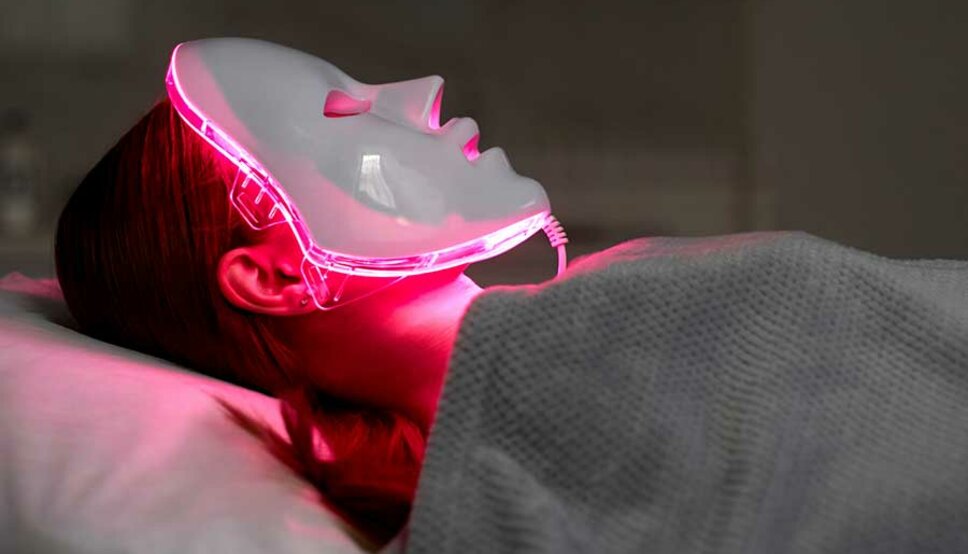
(LOOTPRESS) – Red light therapy — a treatment that exposes the body to low-wavelength red or near-infrared light — is rapidly growing in popularity across wellness centers, dermatology clinics, and at-home device markets as consumers look for noninvasive ways to support skin health, recovery, and pain relief.
Also known as low-level light therapy or photobiomodulation, the treatment uses specific light wavelengths that penetrate the skin without heat or UV radiation. Supporters say the light stimulates cellular activity and improves circulation, potentially aiding tissue repair and reducing inflammation.
Over the past several years, red light therapy has moved from niche medical research into mainstream wellness spaces, appearing in gyms, spas, and online consumer devices. While interest has surged, experts note that the benefits can vary depending on the device, wavelength, treatment duration, and individual health needs.
Potential Benefits and Common Uses
Red light therapy is most widely associated with cosmetic and skin-related uses. Dermatology clinics commonly use it for:
Reducing wrinkles and fine lines
Supporting collagen production
Improving skin tone and texture
Treating acne or redness
Some studies and clinical providers also report potential benefits in:
Muscle recovery and sports performance
Joint and chronic pain management
Wound healing
Scalp and hair-growth support
Athletes and physical therapists increasingly incorporate the therapy into recovery routines, citing reduced soreness and faster post-workout healing. In medical research settings, scientists continue to study possible applications for nerve injuries, inflammatory conditions, and neurological therapy.
Researchers Urge Realistic Expectations
Despite growing enthusiasm, medical professionals caution that results are not guaranteed — and are often gradual rather than dramatic.
While some clinical studies show promising outcomes, researchers emphasize that red light therapy is not a cure-all and should not replace medical treatment for serious conditions. Effectiveness can differ based on light intensity, consistency of use, and the quality of the device.
Health providers also recommend that consumers consult a doctor before using red light therapy for chronic illness, pregnancy-related care, or existing skin conditions.
Expanding Market and Accessibility
As interest rises, the consumer market has rapidly expanded, ranging from professional-grade panels to small handheld devices priced for home use. That accessibility has helped drive adoption but has also raised questions about product standards and marketing claims.
Industry analysts say regulation and clearer clinical guidance may shape the next phase of growth.
For now, users continue to explore the therapy for wellness, cosmetic, and recovery purposes — with many viewing it as one of a growing number of noninvasive options in the broader health and self-care landscape.