Home » TOURISM NEWS » 2026 Travel Trends: Wellness, Literature, and Alpine Escapes Lead the Future of Tourism
Published on
January 4, 2026
As we step into 2026, tourism trends are evolving with a sharper focus on immersive, wellness-driven, and personalised experiences. Emerging from official reports and travel industry insights, three major trends are set to dominate the global travel scene: glowcations, literary tourism, and year-round alpine escapes. These trends not only reflect shifting traveller priorities but also signify a more mindful and experience-driven approach to travel. Tourism boards and industry experts worldwide have begun adjusting to these new preferences, laying the foundation for a tourism boom rooted in deeper engagement.
Glowcations: Wellness and Self-Care Become Central to Travel
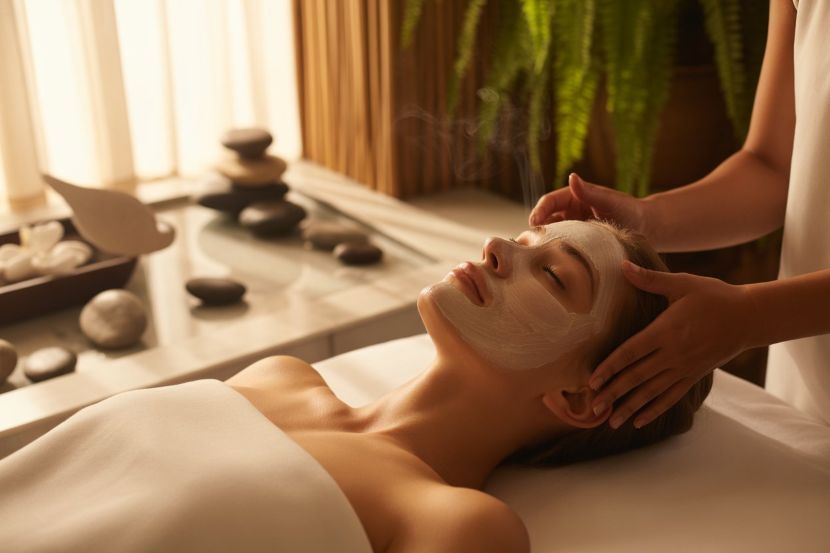
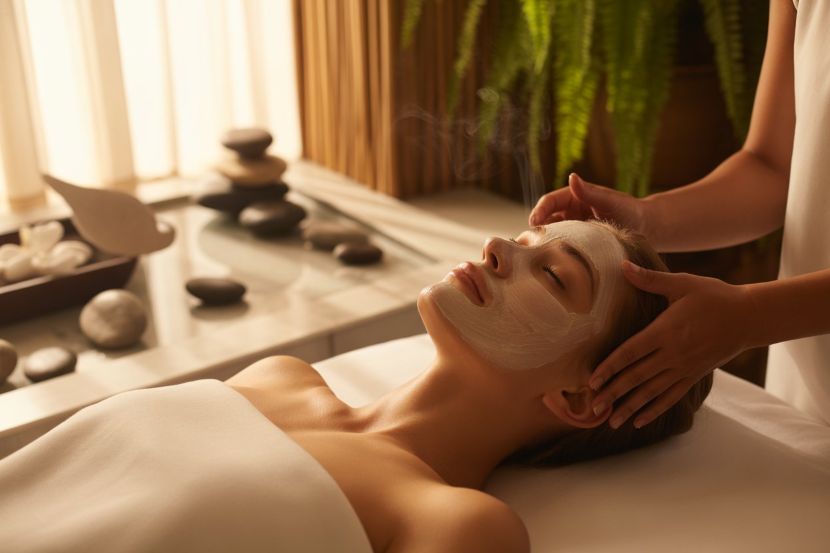
In 2026, glowcations are leading the charge in wellness tourism, combining luxury travel with beauty treatments, rejuvenating experiences, and personal well-being. These unique trips focus on self-care, offering a fusion of traditional tourism with cutting-edge wellness services. Travellers are increasingly seeking destinations that not only offer beautiful landscapes but also the chance to revitalise their mind and body.
Countries like South Korea, renowned for its advanced skincare rituals, and France, with its luxurious spa culture, are top destinations for those seeking beauty-focused getaways. These destinations, along with Kerala, India, famous for its Ayurveda treatments, are promoting tailored packages that offer a mix of relaxation, rejuvenation, and aesthetic enhancements. In fact, some resorts are now incorporating AI-based skincare treatments, advanced wellness diagnostics, and holistic healing practices into their offerings.
According to industry sources, wellness holidays have become more than just a luxury — they’ve evolved into a key component of self-care, attracting a wide array of international travellers looking to refresh both mentally and physically. Official reports highlight that wellness tourism now represents a growing segment of global travel, contributing significantly to local economies as more people seek transformative experiences. As a result, tourism boards are promoting glowcation packages that focus on mindfulness, beauty, and wellness, catering to the growing demand for these feel-good getaways.
Literary Tourism: Journeying Through Pages of History
Another major trend for 2026 is literary tourism, a growing sector driven by people’s love for literature and its ability to connect them to new places. In an era where digital content is king, more tourists are looking to step into the worlds created by their favourite authors. Literary tourism allows visitors to immerse themselves in the life and stories of famous writers while exploring the locations that shaped their work.
Regions like Stratford-upon-Avon in England, the birthplace of William Shakespeare, and Haworth, home to the Brontë sisters, are already seeing increased foot traffic from literary enthusiasts. Similarly, Paris, known for its rich literary history, is drawing visitors who are eager to explore the cafés and streets once frequented by renowned authors such as Ernest Hemingway and James Joyce.
This surge in literary tourism is contributing to the economy by attracting not only tourists but also literary festivals, book launches, and themed events. Governments and tourism authorities are encouraging these forms of cultural tourism, which provide both educational and recreational value. In 2026, tourism campaigns will continue to promote iconic literary landmarks, book tours, and immersive storytelling experiences that allow visitors to engage with their favourite books in real life.
Year-Round Alpine Escapes: A Shift Toward Nature and Adventure
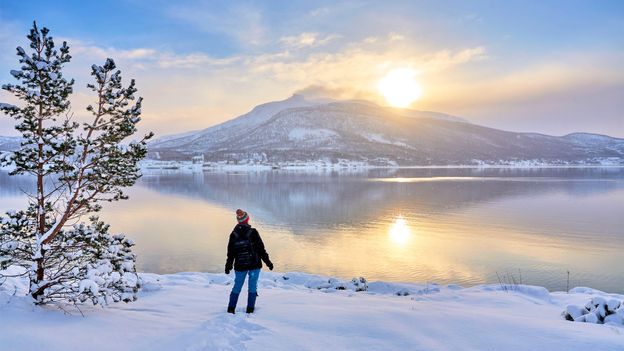
Alpine tourism is also seeing a resurgence in 2026. Year-round alpine escapes are gaining popularity as travellers seek cooler climates and outdoor activities outside the traditional winter months. Destinations like the Swiss Alps, Kitzbühel in Austria, and Zermatt are evolving to cater to both winter sports enthusiasts and summer hikers alike. The draw of the mountains is not only due to their breathtaking views but also the range of outdoor activities available year-round, such as hiking, cycling, and even wellness retreats.
For regions like Switzerland and Austria, the year-round appeal of their alpine environments is a game-changer, promoting sustainability and eco-tourism. Ski resorts, once only known for winter months, are now encouraging tourists to visit during the spring and autumn for hiking, outdoor adventures, and cultural exploration. This shift toward all-season travel is being supported by tourism boards and government policies focused on creating diverse, sustainable tourism offerings that appeal to travellers throughout the year.
In fact, data from tourism boards in Austria and Switzerland suggests that more people are planning their mountain holidays based on the off-season rather than just the traditional ski season. These destinations are rapidly positioning themselves as year-round hotspots for both adventure seekers and those simply looking for tranquillity amidst stunning natural surroundings.
The Bigger Picture: Personalisation and Sustainability at the Forefront
The overarching theme of 2026 tourism trends is the emphasis on personalisation and sustainability. As more travellers seek meaningful, customised experiences, destinations are increasingly catering to niche interests, offering everything from glowcation getaways to literary pilgrimages. At the same time, there is a growing demand for eco-conscious travel options that minimise environmental impact. Tourism boards and local governments are promoting responsible tourism initiatives, aligning with global sustainability goals.
Travel companies and destinations are tapping into this trend by offering more personalised travel packages, often through AI-based platforms that recommend itineraries based on individual preferences. Official reports suggest that travellers now value sustainability just as much as luxury, with eco-tourism offerings seeing a significant rise in bookings.
As 2026 progresses, the tourism sector is clearly shifting toward experiences that blend well-being, cultural enrichment, and eco-consciousness. Glowcations, literary tourism, and year-round alpine escapes are leading the way, drawing tourists into immersive, personalised adventures that align with their values and interests. As governments and tourism bodies continue to embrace these trends, the future of tourism looks brighter than ever, marked by deeper connections to nature, culture, and self-care.