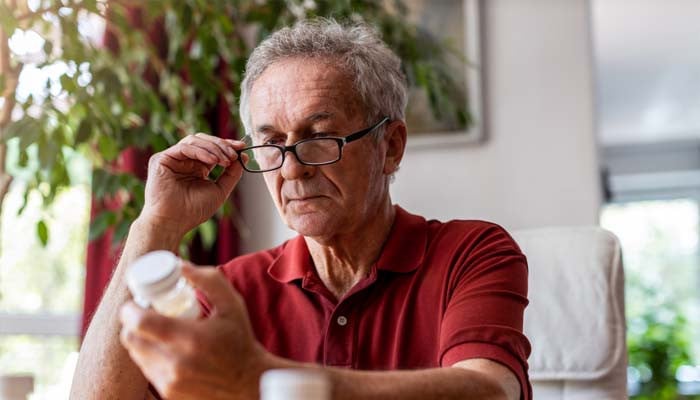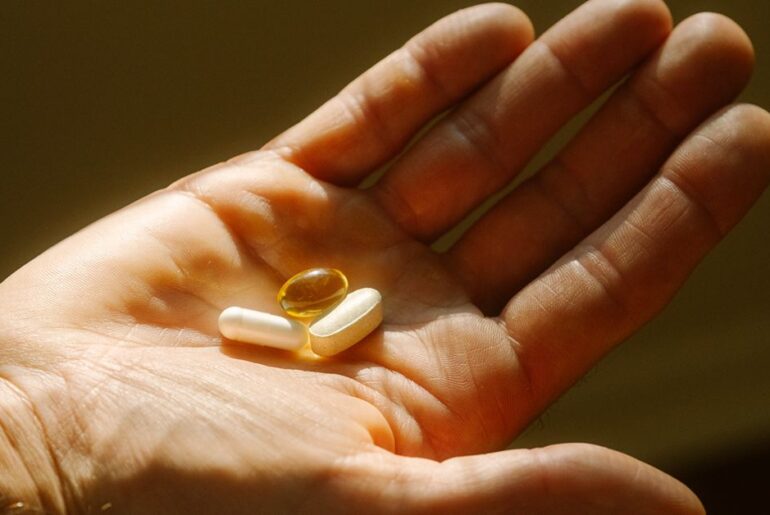
Social media has been abuzz with claims suggesting that vitamin D supplements are harmful to the heart and kidneys. So, we decided to consult Dr Parin Sangoi, consultant, interventional cardiologist, Wockhardt Hospitals, Mumbai Central, on whether there is any truth to these claims. Vitamin D is vital for health, but it can pose risks if misused. “Self-medicating and taking high doses for too long can lead to serious complications. Treat supplements like medicines and take them only under medical guidance,” said Dr Sangoi.
Dr Sangoi affirmed that vitamin D can be harmful, especially when taken without medical supervision. “Vitamin D is a fat-soluble vitamin, which means the body doesn’t easily get rid of excess amounts. Over time, this can lead to toxic levels, resulting in serious issues like kidney failure, abnormal heartbeats, nausea, vomiting, and dehydration,” said Dr Sangoi.
Vitamin D deficiency is common in India. So why can supplementation be risky?

The problem isn’t with the supplements themselves, but with unsupervised use. “Since vitamin D deficiency is widespread, many believe it is safe to take high-dose supplements regularly. In reality, vitamin D acts more like a hormone than a typical vitamin. Taking too much can significantly increase calcium levels in the blood, which can damage the kidneys and cause heart problems,” elucidated Dr Sangoi.
What warning signs should people be aware of?
The early symptoms are often subtle and easy to overlook. “These can include persistent nausea, vomiting, poor appetite, excessive thirst, fatigue, and palpitations. In severe cases, individuals may notice reduced urine output, confusion, or sudden changes in heart rate, which need immediate medical attention,” said Dr Sangoi.
 Here’s what you should consider (Photo: Getty Images/Thinkstock)
How does vitamin D toxicity affect the heart?
High calcium levels from vitamin D toxicity can disturb the heart’s electrical system. This can lead to palpitations, irregular heartbeats, or sudden shifts between high-speed and very slow heart rates. These rhythm issues can be dangerous if not treated promptly, contended Dr Sangoi.
Who is most at risk for vitamin D overdose?
According to Dr Sangoi, people who take high-dose weekly or monthly vitamin D supplements for long periods without blood tests are at greater risk. “Those with existing kidney disease, heart conditions, or those taking multiple supplements at the same time are especially vulnerable. Importantly, even young and otherwise healthy people can be affected,” said Dr Sangoi.
What is the correct and safe way to take vitamin D supplements?
Dr Sangoi stressed that a blood test should always guide vitamin D supplementation. “The dose and duration should be tailored to the individual and reviewed regularly. Taking more than needed does not provide additional benefit and can actually be harmful,” said Dr Sangoi.
Story continues below this ad
DISCLAIMER: This article is based on information from the public domain and/or the experts we spoke to. Always consult your health practitioner before starting any routine.