It doesn’t take long for an indie beauty brand to become the next big thing.
Look at Rhode, which scaled from the ground up to a $1 billion acquisition in three short years. For decades, these upstarts have siphoned market share from major conglomerates. But the sheer proliferation of newcomers, even small names generating modest amounts of revenue, is creating rapid-fire trends and ever-growing competition.
2026 will see a new guard of innovative, agile brands gain speed — and perhaps even leap-frog over the incumbent competition. As they jostle for attention on crowded digital platforms, the cost of acquiring customers has risen exponentially. Brands may have a viral peak on social media thanks to a trending product or influencer endorsement, but maintaining stickiness is harder.
Still, customers’ appetite for newness has not slowed, and shoppers continue to seek out innovative, differentiated products. The most exciting new brands are defined by novel product formats, savvy and offbeat marketing, and in many cases, proud local or diasporic heritage.
Fragrance: Fast-Growing Niches
Xinú, Borntostandout, Fugazzi
Gen Z and Millennial shoppers are still obsessed with all things perfume.
Fashion house brands still dominate — of the top 20 best-selling perfumes in the US in 2025, only five were not affiliated with a designer, per Circana — but niche brands still entice shoppers with stronger luxury propositions or innovative formats. The likes of Sol de Janeiro helped popularise fragrance “mists,” while brands like Amouage created a trend for intense perfume oils.
In 2026, Mexican brand Xinú will continue in the ascendant. In November, Estée Lauder Companies announced a minority investment in the line, its first in a Latin-owned brand. On the shopping app Selleb, it’s the tenth most-bought indie fragrance brand by its users, according to co-founder Chloe Lee.
“People just want super unique scents that they learned about from a cool Substack or have a cult following,” said Lee.
Also rising is Korean brand Borntostandout. In February, L’Oréal made a minority investment in the premium perfume maker.
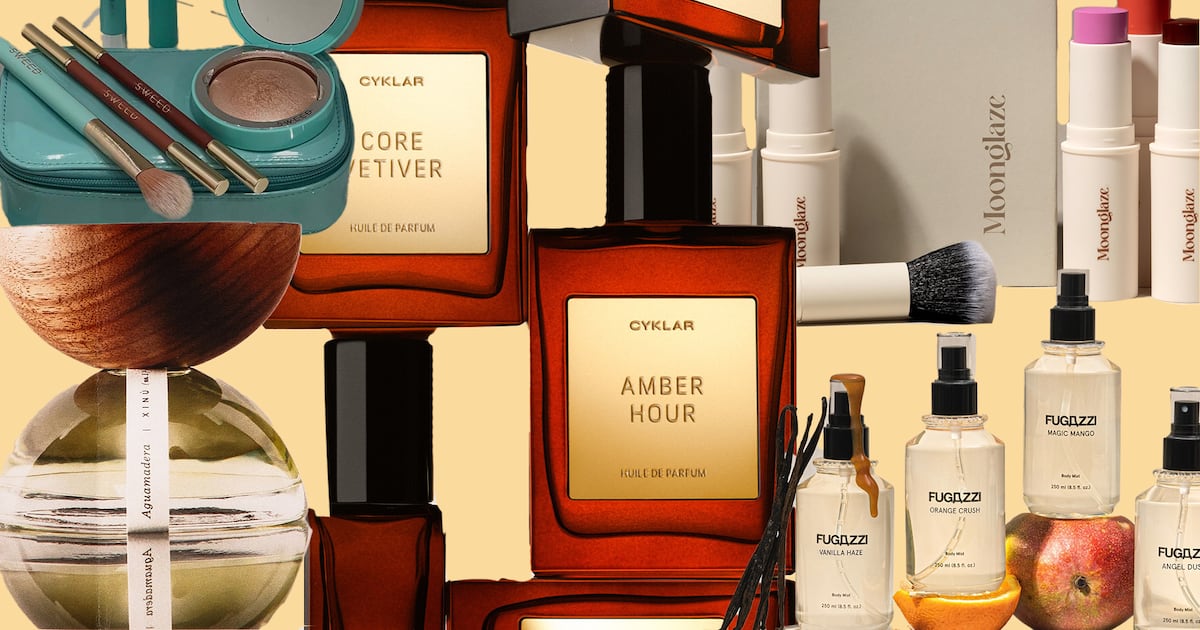
Alongside Fugazzi, originally founded in Amsterdam, the two brands are gaining traction with their somewhat anti-establishment attitude. The companies have collaborated, each launching a perfume named after the other, as well as selling a tote bag emblazoned with both brand names and the slogan “Who F**kin’ Cares?” It’s meant as a tongue-in-cheek protest over how beauty players see one another as competitors, while fashion brands may see one another as collaborators.
In addition to premium perfumes like Angel Dust, $105, which has notes of wood and cashmere, Fugazzi also offers a “Mistletoe Madness” room spray packaged like a surface cleanser. According to analytics firm Spate, the brand is small but fast-growing, with searches across Google, TikTok and Instagram up 122.8 percent in 2025.
Skincare: K-Beauty Dominates
Thome, Sungboon Editor, Anua, Rejuan, Rejuall
In 2026, skincare will have two big themes: K-beauty and devices.
Lee said shoppers are interested in “indulgent luxury experiences at home,” and that skincare devices are seen as a more affordable way to mimic professional procedures. Poised to capitalise on the moment are Medicube and Thome, two K-beauty brands that have reached legendary status in their home country and are now gaining speed globally. Per Spate, Medicube, which makes the Booster Pro, has seen searches on social media rise more than 300 percent this year. It’s also made the founder of its parent company, Kim Byung-hoon, a billionaire.
Thome, which offers a similar Glow Signature Beauty Device, was tipped by Daniella Jung, founder of K-Beauty distributor Muskat as a “rookie brand” to watch. “It has a lot of potential. Their device is beautiful and highly efficient,” she said; the line also offers topical skincare products. She also pointed out Rejuall and Rejuran as two labels to watch: Rejuall, also known as Dr. Reju-all, has cornered the trend for an ingredient known as PDRN, a DNA fragment often sourced from salmon that has lofty anti-ageing claims.
When the legendary Korean retailer Olive Young opens its doors in the US in May, it will bring with it an avalanche of brands, including Sungboon Editor and Anua, the latter of which has seen social media searches lift almost 48 percent this year, per Spate.
Makeup: Cosmetics by Creators
Sweed, Sacheu, Moonglaze
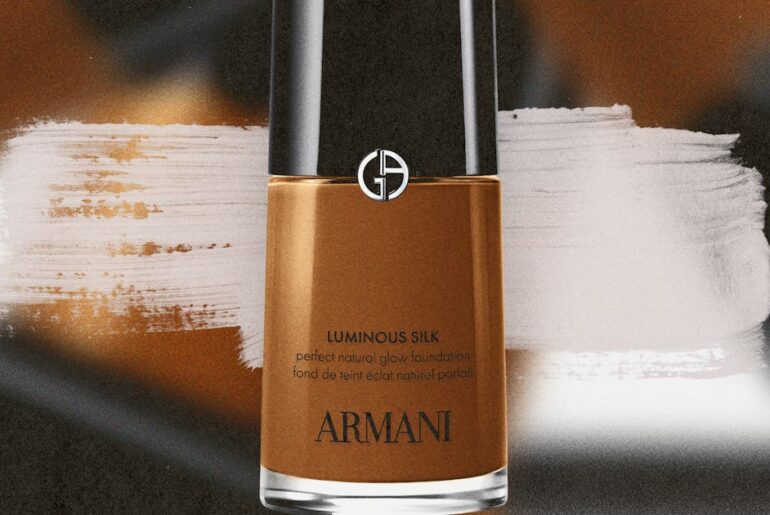
Artistry-led brands dominated 2025, and shoppers will still be interested in an expert proposition. Sweed, a Swedish cosmetics brand founded by makeup artist Gabriella Elio, offers a fresh perspective. Its bestseller is its Glass Skin Foundation, which is inspired by the K-beauty trend and especially resonant with customers looking for acne coverage, said Spate’s senior insights and marketing lead Addison Cain.
Meanwhile, Sacheu, founded by the influencer Sarah Cheung in 2020, is also making fast inroads. In December, it announced it had hired two beauty veterans from K18 and Topicals to lead its marketing and financial operations, and the brand has reportedly hired an investment banker to help weigh its future options, according to Puck. While it’s best-known for its viral peel-off lip stain and TikTok presence, its incoming CMO Michelle Miller told The Business of Beauty it’s looking to build awareness of its full suite of products, which includes eye and complexion products. According to a source close to the company, it is projecting $100 million in sales for 2026.
As the Middle East continues to become a key hub for global brands — Glossier, Phlur and Saie all launched there in 2025 — brands founded in the region are also growing their global presence. Moonglaze, founded by Saudi influencer Yara Alnamlah, launched into the upmarket London department store Selfridge’s in 2025. Cain said Arabic brands are starting to gain more momentum on social media, thanks to the popularity of Middle Eastern fragrance brands such as Kayali and Lattafa, which could start to have a halo effect for cosmetics makers in the region.
Hair & Body: Top-to-Toe Technology
Cyklar, Roz, Ruka, Latina
Shoppers can’t get enough of hair and body products that trade on innovative new ingredients and formats.
Cyklar, created by the same brand incubator that produced the buzzy brands Naturium and Phlur, is gaining speed with its unique and affordable formats. In September, it launched the In-Shower Body Oil Balm, which is lightly scented and applied to wet skin. According to Tynan Sinks, co-host of fragrance podcast “Smell Ya Later,” it’s one of the most exciting brands in body care. Meanwhile, UK body label and The Business of Beauty Global Award winner Akt London’s deodorant balms are growing fast, tapping into a trend for underarm care that feels more premium.
In the premium hair space, brands like Roz are continuing to “skinify” with inventions like an AHA-BHA-infused Salt Scrub. (The brand also has the backing of Silas Capital, also an investor in fashion line Dôen and Makeup by Mario.) In the UK, biotechnology brand Ruka has pioneered a new kind of lab-grown hair extension made with collagen protein fibres it says mirrors the look and feel of human hair, with fewer of the environmental or ethical issues associated with synthetic hair production and human hair.
Latin-owned brands are also capitalising on their advantageous trading relationship with the US, as well as the Latino diaspora. Mexico-based hair-care line Latina added a former Estée Lauder Companies president to its board in 2025 and launched into 460 Ulta Beauty stores. Its leading states in sales are California, Texas and Florida, all of which are home to a large Hispanic population.
For Selleb’s Lee, what unifies the brands and products that customers are shopping for are brands that speak to creating from a fresh start — be that clear skin for less makeup, a clean scalp for fresher hair or even a clean base layer of scent.
“People are wanting to get a really good foundation,” she said. “They want their skin and hair to feel healthy, so they don’t have to put that much on top later.”
Sign up to The Business of Beauty newsletter, your complimentary, must-read source for the day’s most important beauty and wellness news and analysis.