There’s a new kind of beauty format taking over vanities and TikTok feeds, and it’s not your basic cream or serum. Think translucent, cushiony, glassy formulas that look almost edible, give a soft jiggle like your favourite internet slime clips, and then melt into your skin like an iced drink on the hottest day. They’ve become ASMR royalty too: scooped, poked, sliced and smushed and yes, you will absolutely sit there watching for far longer than you meant to.
Beauty has just lived through a hyper–clinical era: harsh actives, aggressive acids, twelve–step routines, and products that promised transformation if your skin could keep up. Jelly beauty arrives as the course correction the industry needed.
What exactly is jelly beauty, and why has it taken over?
This isn’t a single product category; it’s a new kind of sensory language. You’ll find it in moisturisers, translucent overnight masks, bouncy cleansers, under–eye patches, and makeup formulas with that soft, almost dessert–like appeal.
K–beauty set the stage by proving innovation isn’t only about ingredients; it’s about experience. From there, it spread to social media, luxury brands, and eventually the mainstream. The appeal is immediate: touch it once, and you get it.
The psychology behind it
Texture matters far more than people admit. These silky, cushion–like formulas feel soothing, responsive, and strangely satisfying to use. There’s nostalgia too: echoes of glossy lips and the playful curiosity of early skincare, before everything became clinical.
Saikat Chakraborty, National Artist of M·A·C Cosmetics India, explains, “Jelly textures are having a moment because beauty right now is all about skin that looks alive. We’re moving away from anything heavy or overly perfected and towards formulas that feel fresh, hydrated, and effortless. These products give that ‘your skin but better’ vibe. They also photograph insanely well, which matters in a world where makeup lives on camera just as much as it does in real life.”
The formulation
Behind all that bounce is serious science. These finishes are usually water–rich and powered by humectants and moisture–binding polymers that drench skin without weighing it down. The result: plumper-looking skin, a calmer barrier, and a convincingly healthy glow.
Sarwat Ismail, medical aesthetician and head of aesthetics, laser and slimming at AIG Clinics, explains: “Jelly skincare has become so popular because it’s fun to use, refreshing to apply, and leaves a glassy finish. In a post–burnout world, people want products that feel good, and since these formulas spread thin and absorb easily, they optimise hydration and help create a healthier environment for barrier repair.”
How to fit jelly products in your routine
In makeup
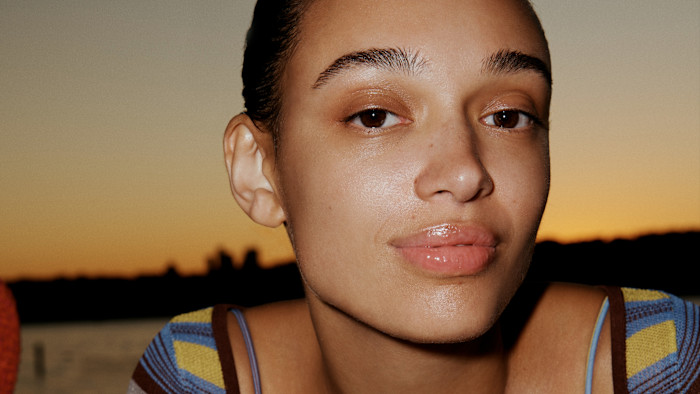
These formulas don’t sit on skin; they meld with it. “Unlike powders that stay on the surface or creams that can look heavy, jelly finishes fuse and move with the skin,” says Chakraborty. The result is reflective, translucent and convincingly skin–like.
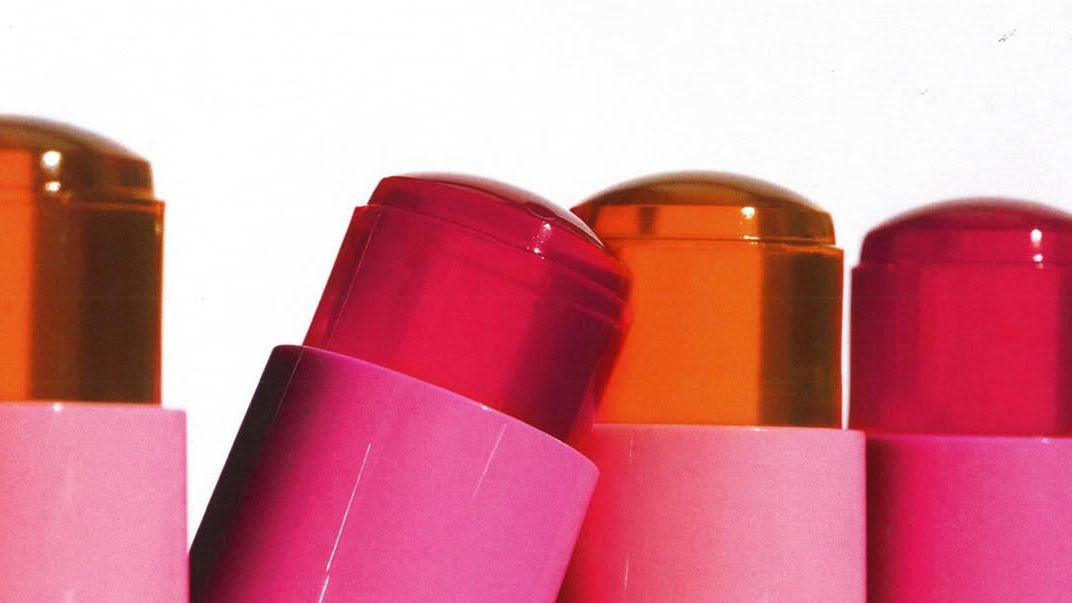
The application should feel intuitive. “Fingers are ideal for blending, brushes for precision, and sponges when you just want a whisper of tint. The rule? Build slowly. Soft layers, not one heavy hit,” he says. They thrive on skin that’s still a little fresh, bare skin, or a light base that isn’t fully set. Once everything is heavily powdered, they lose their edge. His favourite move? Jelly blush for a sheer flush, then set only where you need longevity.
In skincare
If you’re adding these to skincare, think simple layering: cleanse, hydrate, then bring in a jelly serum or essence, finishing with a moisturiser or sleeping treatment depending on what your skin needs.