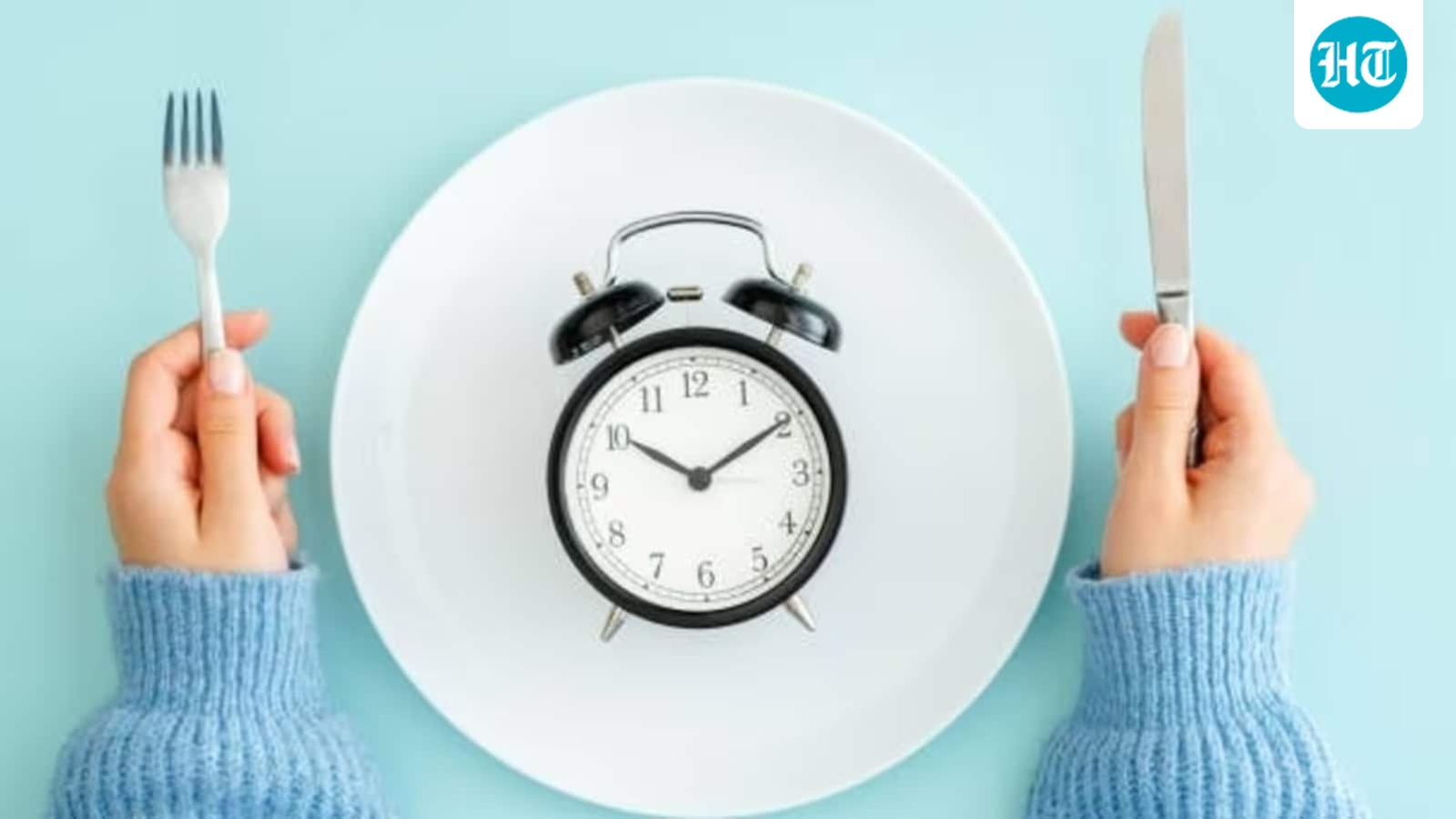
Intermittent fasting is often regarded as a valuable tool for weight loss and dieting. Many health influencers and experts often recommend intermittent fasting to individuals seeking to lose weight and burn excess fat. However, it is worth considering whether it works equally well for men and women.
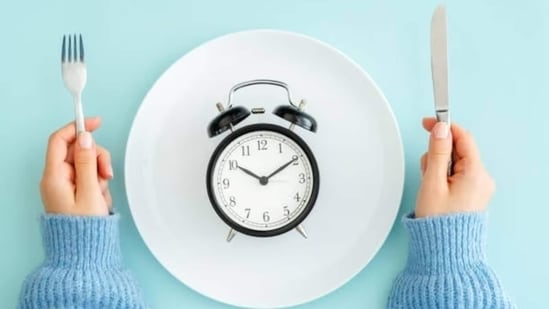 Intermittent fasting doesn’t land the same on female bodies as it does on male ones — especially if you’re young, training, stressed, and menstruating. (istockphoto)
In an Instagram post shared on January 8, Dr Emily Prpa, PhD, nutrition scientist, highlighted how intermittent fasting doesn’t land the same on female bodies as it does on male ones – especially if you’re young, training, stressed, and menstruating.
Does intermittent fasting work the same way for women as for men?
Dr Emily shared the video on intermittent fasting as a part of her series on wellness habits that don’t work the same for women as they do for men. According to her, in women, when food is delayed, their hormones and stress systems respond differently, which can impact mood, recovery, metabolism, and fertility hormones.
The scientist stressed that she is sick of male data being copied and pasted onto female bodies, and also highlighted the disparity in research done on women’s bodies as compared to men.
The science
“When we [women] wake up and simply skip breakfast, our hypothalamus—our brain’s hormone headquarters goes into alert mode. It’s like, ‘Where’s the food?’ That sets off a biological red flag,” Dr Emily stated.
She also stated the effects of this biological alarm on the body: “The body starts pumping out cortisol, your stress hormone, and it begins pulling on levers to conserve energy, downregulating your fertility hormones, slowing your metabolism, and impacting your mood and recovery are affected by fasting.”
In short, your body interprets fasting as a threat to survival. So, when you do that morning workout without eating breakfast, instead of burning fat, high cortisol levels can cause the body to break down muscle.
This can lead to your training gains getting blunted, your recovery tanking, and your hormones slipping out of sync, according to the nutrition scientist.
Though she does not support intermittent fasting for women, Dr Emily stated that she is not anti-fasting. “I’m anti-bro-science that skips over key facts about women’s bodies, leaving you without the full picture to make any informed decision,” she added.
Lastly, she noted that her stance is based on the research currently available, which suggests that intermittent fasting may be effective for some people at times. For example: “Take sedentary, post-menopausal women with insulin resistance; there can be benefits. But young, menstruating women, women who train, work long hours, and juggle stress, might be trying to conceive. Different physiology, different story. So, my current hot take when it comes to eating like a woman: the first step is to literally eat. Go nourish yourself.”
Note to readers: This article is for informational purposes only and not a substitute for professional medical advice. Always seek the advice of your doctor with any questions about a medical condition.
This report is based on user-generated content from social media. HT.com has not independently verified the claims and does not endorse them.