
Bone health after 50: How calcium and vitamin D reduce risks of falls?
Calcium and Vitamin D are two most essential components for bone strengthening; however, its production declines with age, especially people over the age of 50 are at a higher risk of fractures due to weaker bones.
Bone loss increases during and after menopause, with women losing nearly 3% of their bone mass annually for roughly five years after their last menstruation cycle, with a decline in estrogen levels.
After this period, bone loss continues at nearly 1% every year. Men also face steady bone loss, starting at the age of 50.
Weaker bones raise the risk of fractures from falls, and insufficient vitamin D can further affect muscle strength and balance. Hip fractures are the most commonly occurred fractures among people in their 70s and 80s.
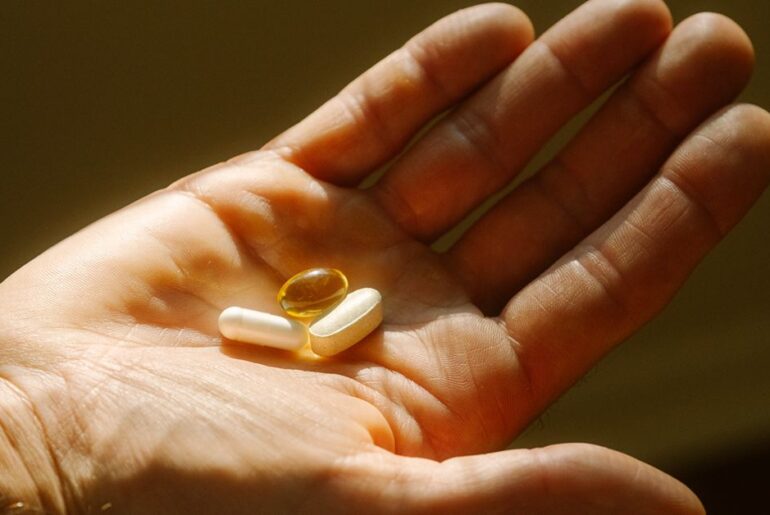
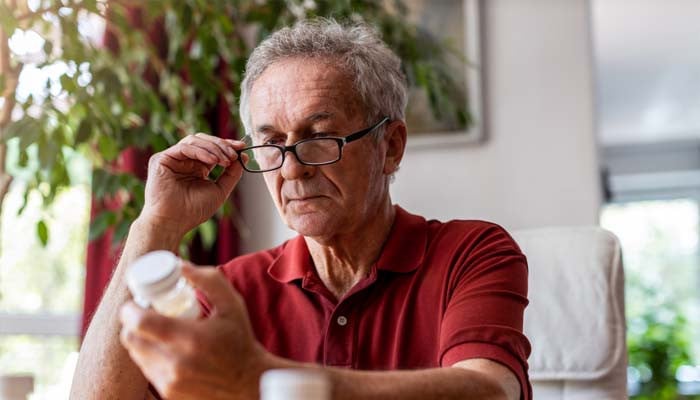
Experts caution that more isn’t always better when it comes to supplements. Excessive calcium may adversely affect some vital organs such as kidney, heart, and more.
Very high vitamin D levels may raise the risk of falls and fractures. Moderate supplementation is recommended for those with a dietary deficiency.
As per the National Academies of Sciences, adults 51–70 need 15 mgs of vitamin D and 1,000–1,200 mg of calcium daily, depending on age and sex.
Adults over 70 require 20 mgs of vitamin D and 1,200 mg of calcium.
The most essential sources of calcium are dairy products. Notably, a 500-mg calcium supplement is highly recommended to people who are unable to consume enough calcium from their diet.
For Vitamin D, sunlight is the best source for the human body, but in northern states during winter, older adults should consider 800–1,000 IU per day.
Precision in diet and careful supplementation are considered some major aspects to maintaining bone health and reducing fall risk in older adults.