Have you gotten enough protein today?
This question may have crossed your mind recently, as more and more Americans are becoming obsessed with their intake of the macronutrient.
The craze has ushered in a slew of new protein-packed products — from bars and powders to popcorns and pancake mixes — and has sent many of us scrambling to the meat department at our grocery store to get our fix.
In fact, one recent study found “U.S. meat consumption grew from 109 kg to 117 kg per capita between 2018 and 2023 and is projected to grow to 122 kg per capita in 2027.”
But should we be thinking twice about where our protein comes from and what dangers might be lurking if we jump mouth-first into a diet full of meat?
That’s what we — Raj Punjabi-Johnson and Noah Michelson, the hosts of HuffPost’s “Am I Doing It Wrong?” podcast — asked Elizabeth Dunn, a food journalist who’s written widely about nutrition, when she recently dropped by our studio.
Press play to hear the full episode:
“There definitely is this kind of perception online that if you’re going to live a high-protein life, that involves a lot of meat,” Dunn told us. “What you don’t hear talked about a lot in those contexts is the downsides to eating a lot of meat. The data is very, very clear — I mean, like decades of large-scale, reputable studies that show that the higher in meat your diet is, the higher your chances are of getting cancer, of getting diabetes, of all-cause mortality — meaning just basically dying younger. So there really are pretty big health consequences to eating a very meat-heavy diet, especially a very red meat-heavy or processed meat-heavy diet.”
There’s one popular protein-forward snack that especially concerns Dunn.
“One of the fastest growing snack categories right now is meat sticks,” she said. “Obviously, the protein trend is driving that, [and though] they also are very delicious, what really surprises me, especially because we’re in this very healthy, nutritious, conscious moment right now, is that people aren’t aware of the fact that processed meats are class one carcinogens — Group 1 carcinogens. So that’s a World Health Organization classification, and it means that we know that they cause cancer in humans. So this is really something that I think more people should think about.”
Dunn noted that the average American doesn’t need to supplement their diet with extra protein because they’re probably already getting the recommended daily allowance in their meals. However, if we are looking for more protein, she urged us to get it from whole foods, rather than processed ones.
She added that there’s protein in most foods, which means even people who don’t eat meat shouldn’t need to work too hard to get their daily needs met.
“As long as you’re making a concerted effort as a vegetarian to eat a lot of different plants, like, you’re gonna get as much protein as you need,” she said.
Michelson noted that “a cup of spinach … has five grams of protein in it, a cup of raw peas has eight grams of protein … wild rice has six grams of protein in a cup.”
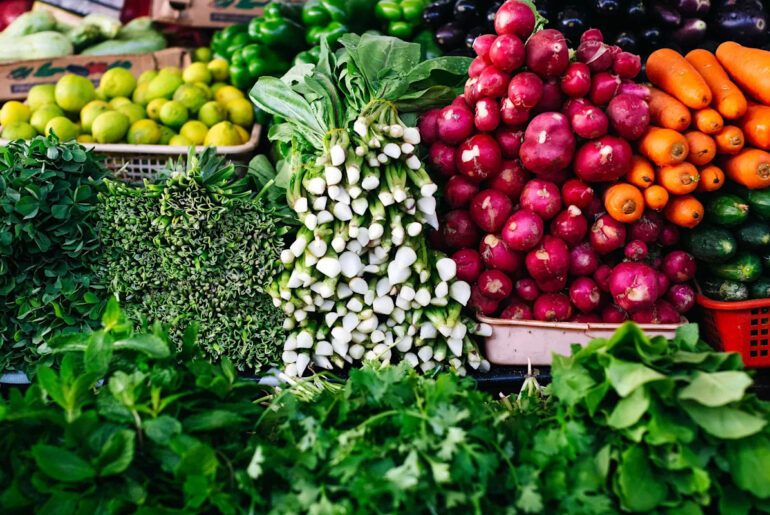
Whole grains are also a “huge source of protein,” Dunn said.
“I’m not just talking about quinoa — oats have a lot of protein in them, things like seeds, like hemp seeds and chia seeds, have a lot of protein … It adds up a lot faster than you think.”
So if you’ve been anxious about not getting enough protein, worry not! You probably are, but if you want an extra boost, reach for whole foods — and maybe skip processed meats as a regular part of your diet.
We also chatted with Dunn about why we’re wasting our time and money if we’re getting too much protein, which nutrient we should probably be focusing on instead of protein, and much more.
Listen to the full episode above or wherever you get your podcasts.
You can also watch the full episode on YouTube.
For more from Elizabeth Dunn, visit her website and subscribe to her Substack.
Have a question or need some help with something you’ve been doing wrong? Email us at AmIDoingItWrong@HuffPost.com, and we might investigate the topic in an upcoming episode.