Wellness travel in 2026 looks quite different
from the spa weekends of ten years ago. Travelers are booking trips that feel
more substantial. Instead of chasing the perfect pool, they’re looking for
retreats that pair data with design and that treat vacation as a chance to
recalibrate rather than pack an itinerary full of sights.
A week away might include a blood panel, a
cold plunge, a session with a sleep specialist, and an afternoon doing nothing
but watching the clouds float by.
Across destinations, a few themes will be
emerging even more in 2026: longevity programs, sleep-forward stays, retreats
that address mental health and inner work, slow-paced, nature-led itineraries,
and experiences that acknowledge the needs of women and multigenerational
travelers.
All of these themes are tied together by
travel that is less about transforming your life in just a week and more about
leaving with habits and insights that you can fit into your daily life.
Longevity
A new wave of retreats is built around
longevity rather than short-term fixes. Guests arrive at these retreats not
just for massages but for testing — things like fitness assessments, hormone
and metabolic panels, microbiome analysis. And the stays are designed around
their individual results.
Instead of a one-size-fits-all detox, programs
pair targeted nutrition and movement with sessions on metabolic health, stress,
and recovery that are often adjusted as lab results come in.
Travelers might spend the morning in a
consultation with a doctor or physiologist, then spend the afternoon on a
coastal hike, strength work, or a hydrotherapy circuit tailored to their goals
rather than the resort’s default schedule.
These properties tend to look more like
discreet design hotels rather than clinics with clean-lined rooms, strong
architecture, and good light. Diagnostic equipment and treatment areas are
tucked into calm spaces that are far from clinical, showing that long-term
health can co-exist with good hospitality.
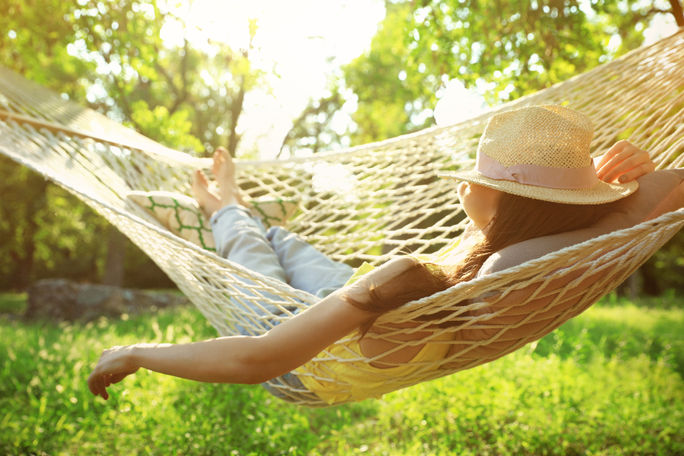
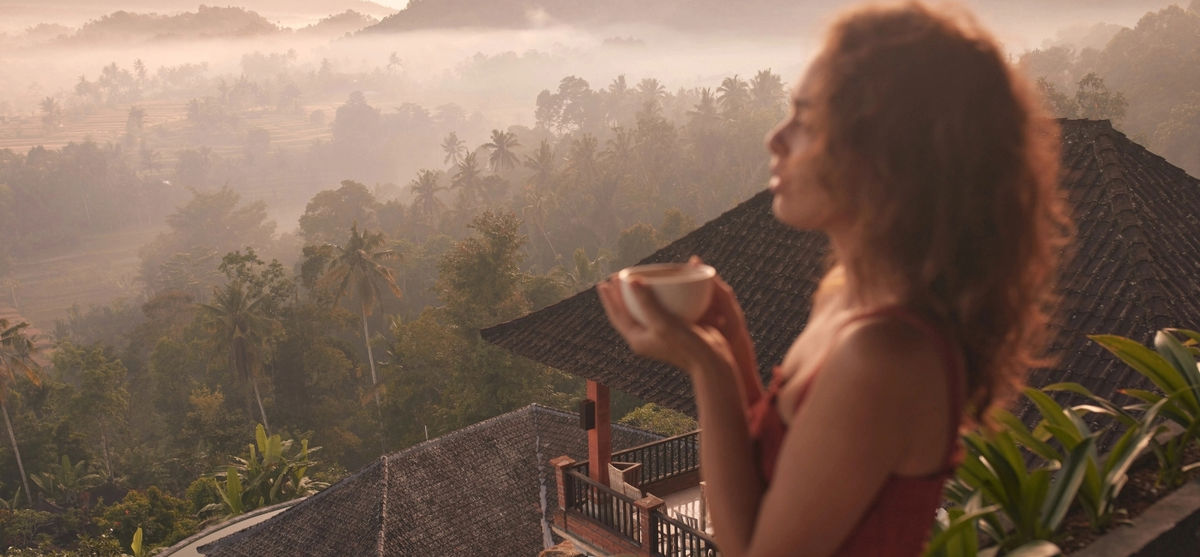
Resting on vacation. (Photo Credit: Courtesy AdobeStock)
Sleep
Sleep is no longer just an amenity — it is a
headline for travel. Dedicated sleep programs are popping up in city hotels and
destination resorts, built around the idea that uninterrupted, high-quality
rest is reason enough to travel.
Rooms are designed with recovery in mind and
feature things like circadian lighting that tracks the day, blackout shades,
soundproofing, and beds that change temperature and support.
Programming is structured, but not demanding.
Guests might start with a consultation and sleep history intake. They may wear
a tracker for the duration of their stay. They may learn things like breathwork
exercises, light-exposure habits, and pre-sleep routines that are meant to be
realistic and implemented at home, too.
Mornings are built around natural light, slow
movement, and unhurried breakfasts rather than high-intensity classes. This
shows a significant shift away from performance and towards recovery.
Mental health and inner work
As burnout and anxiety remain high, wellness
travel is moving more directly into mental health. Many retreats bring in
psychotherapists, somatic practitioners, or trauma-informed facilitators,
framing the time away as an intentional pause rather than an escape.
Programs may include one-on-one sessions,
small-group work, and body-based therapies, with clear boundaries and an
emphasis on preparation and integration, so guests know what to expect and how
to apply what they learn once they leave.
Alongside this more clinical edge, there’s
space for quieter, contemplative practices. Properties are building in sound
baths, guided breathwork sessions, forest walks, and night sky rituals that
provide space for reflection without feeling performative. It’s more about
perspective and emotional clarity than dramatic transformation.
Nature
Some of the most interesting wellness
itineraries now are defined by how little they schedule. Mountain
lodges, coastal retreats, and desert camps are building days around one or two
anchor activities followed by long stretches of unscripted time.
The emphasis is on paying closer attention to
nature at a slow pace, where you can notice things like the changing light on a
mountainside or a river’s temperature shift from morning to night. Guests are
encouraged to leave phones in their rooms and walk without music or podcasts to
experience landscapes in a new light.
Additionally, regenerative elements are
increasingly woven into these stays. Guests might spend a morning helping to
restore a trail or plant native species. The message is that personal wellness
and environmental health are connected, and both should benefit from travel.

Women traveling together. (Photo Credit: Alessandro Biascioli / Adobe Stock)
Women’s health and
multigenerational stays
Retreats focused on fertility support, hormone
balance, and menopause are combining medical consultation with nutrition,
movement, and rest in a way that is evidence-led and intentionally unhurried.
What these programs do is create space for
conversation via long dinners, small-group discussions, and guided journaling,
where guests can share things that might not get much room in their lives at
home.
At the same time, more properties are
designing multigenerational experiences that allow families to share a
wellness-focused trip without sacrificing familial bonding. A grandparent might
join a mobility or breathwork session while a parent takes a stress-management
workshop, and the kids spend time on nature-based adventures.
Rather than wellness as a solo retreat, the
result is a shared set of rituals that can travel home with the group.
Short and accessible
Not every wellness trip is a once-a-year epic
journey. Many travelers are looking for three-to five-night stays that they can
fit into busy calendars, but that still feel intentional. This means a softer
approach to adventure with mornings spent hiking, cycling or in the water,
followed by afternoons of stretching, hydrotherapy, or just reading in a quiet
place.
Hybrid “work-from-retreat” models
are also gaining popularity. These stays carve out focused work blocks during
the day and pair them with structured breaks. This could look like morning
movement, boundaries around technology, and guided wind-down sessions in the
evening. This offers a template for healthier work habits rather than a total
break that makes it hard to come home.
And when it comes to accessibility, there is a
move towards pared-back offerings. Simple rooms, local food, and a short list
of thoughtful experiences are standing in for pages of spa menus and extensive
facility lists. The result? Wellness travel that feels less like a luxury niche
and more like a viable option for a wide range of travelers.
For the latest travel news, updates and deals, subscribe to the daily TravelPulse newsletter.
Topics From This Article to Explore