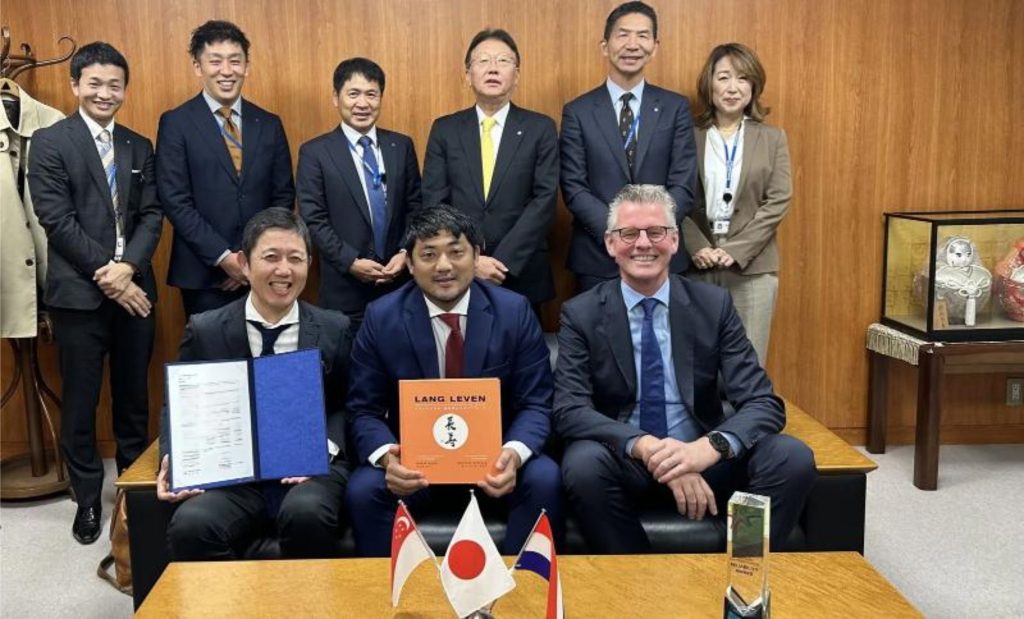
The expanded alliance builds on an existing relationship between the two companies, signalling confidence in both the market outlook and the effectiveness of their collaborative model. Rather than pursuing rapid scale, the strategy prioritises differentiated, premium solutions supported by scientific validation—a hallmark of Japan’s adult nutrition segment.
From a regional perspective, the move reinforces FrieslandCampina’s broader Asia-Pacific strategy, where specialised nutrition is increasingly viewed as a higher-value growth engine compared to bulk dairy commodities. Japan, with its focus on healthy ageing, serves as a reference market that often influences product development pipelines across the region.
For dairy-exporting nations such as Australia and New Zealand, the implications are indirect but significant. Both countries are major suppliers of dairy ingredients and invest heavily in nutrition research aimed at similar health outcomes. FrieslandCampina’s approach underscores the growing importance of pairing ingredient quality with clinical evidence, regulatory readiness and local partnerships—factors that are becoming decisive in premium Asian markets.
Market observers note that adult nutrition is no longer a niche category but a structural growth segment driven by demographics, healthcare costs and consumer awareness. Japan’s experience, in particular, offers insights into how dairy-based solutions can be positioned not merely as food, but as part of a broader health and wellness ecosystem.
The collaboration also highlights intensifying competition among global dairy players in functional and medical nutrition. As margins tighten in traditional dairy categories, companies are increasingly investing in science-driven differentiation. FrieslandCampina’s focus on adult nutrition aligns with this shift, emphasising long-term value creation over volume.
Executives involved in the partnership have pointed out that innovation speed is a critical factor. By integrating global ingredient science with local market insight, the alliance aims to shorten development cycles and respond more effectively to evolving consumer needs. This model reflects a wider industry trend toward co-development rather than simple supplier-customer relationships.
While the announcement centres on Japan, its relevance extends across Asia-Pacific. As populations age in markets such as South Korea, China, Australia and New Zealand, demand for functional adult nutrition is expected to rise steadily. Japan’s role as an early adopter makes it a strategic proving ground for concepts that may later be adapted elsewhere.
In this sense, FrieslandCampina’s expanded partnership with Nippon Shinyaku is less about a single market and more about positioning for the next phase of global dairy nutrition. By anchoring its adult nutrition strategy in one of the world’s most demanding environments, the company signals confidence in both its technology and its collaborative approach.
*Written for eDairyNews, with information from Dairy News Today