Key Takeaways
Energy-boosting “superfoods” help fight fatigue by stabilizing blood sugar, reducing inflammation, and supplying key nutrients like protein, fiber, iron, and B vitamins.
Foods such as oats, yogurt, nuts, and lean meats provide steady, long-lasting energy without the crash that often follows caffeine or sugary snacks.
No single food fixes exhaustion on its own—lasting energy comes from combining nutrient-dense foods with good sleep, hydration, and regular meals.
If you spend any amount of time online (or even read the labels on some trending food products), you’ve probably come across the term “superfood.” Now, foods can’t actually have super powers…or can they?
What makes certain foods “super” is their association with a bevy of health perks. They’re usually loaded with nutrients, and bound to benefit you in some way or another. “There’s no official definition of a ‘superfood,’ but the term is commonly used to describe foods that offer a high return on their investment to support overall health,” explains Patricia Bannan, RDN, a registered dietitian in Los Angeles. Blueberries, salmon, green tea, and spinach are just a few examples of these so-called superfoods—their impressive nutrition and disease-fighting properties usher them into the club.
Some superfoods can even help fight fatigue. “Food plays a major role in your energy levels,” Bannan says. “Fatigue is often linked to blood sugar dips, dehydration, low iron or B vitamins, or chronic inflammation, but eating balanced meals can help prevent crashes.”
Here’s a look into what you should be eating to avoid that 2 p.m. slump, according to experts.
Meet Our Expert
01 of 07
Oats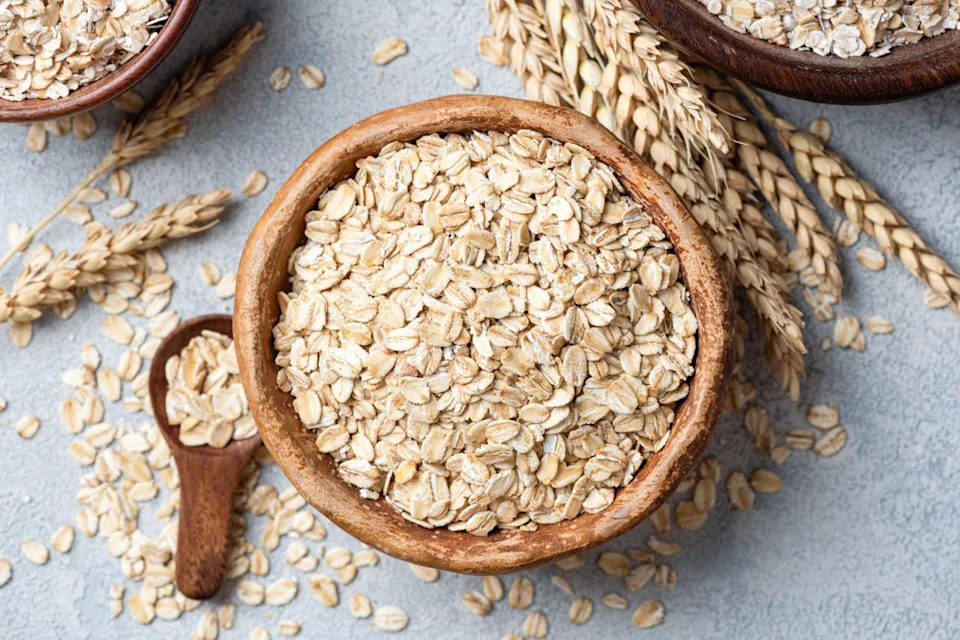
“Whole grains are a great choice to improve energy levels because they help your body use food more efficiently, while keeping blood sugar levels stable,” says Julie Pace, RDN, a functional dietitian who practices in the Southeast. “This provides you with steady, long-lasting energy.”
Experts especially love the energy-boosting benefits of everyone’s favorite breakfast grain: Oats. “Oats provide complex carbohydrates and soluble fiber that help deliver sustained energy,” Bannan explains. “They also contain iron and magnesium, nutrients involved in oxygen delivery and energy production.”
They’ve even been shown to reduce exhaustion and fatigue, among other things, such as hot flashes and headaches. Plus, oats are known for their cardiovascular benefits, so there’s more to gain from them than just a boost in energy.
02 of 07
Dairy Milk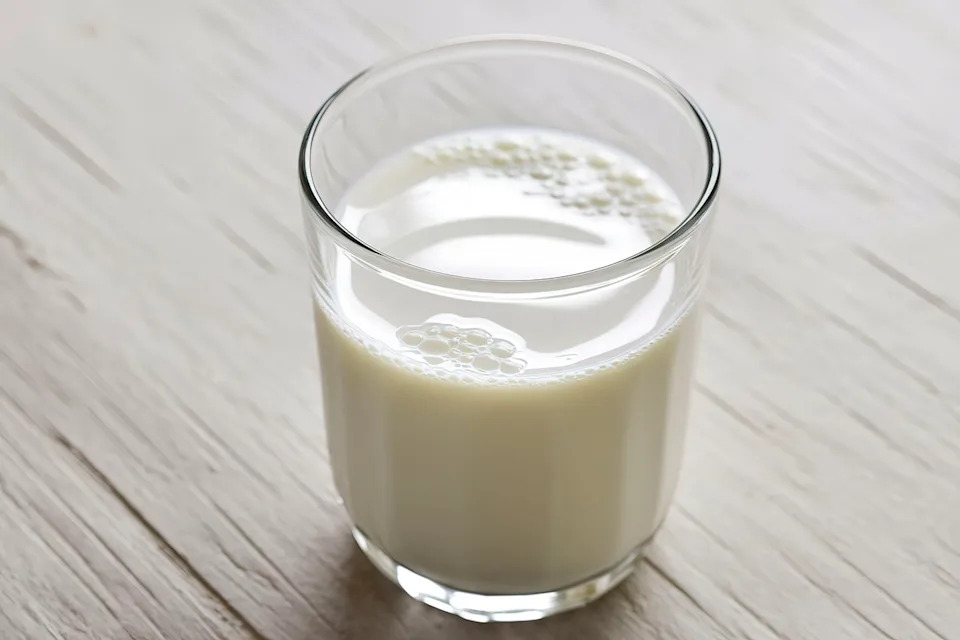
Corina Ciocirlan / 500px / Getty Images
You might not think of regular ole dairy milk as a superfood, but experts say to think again. “Milk is a near-perfect blend of carbohydrates, fat, and protein, making it an easy and nutritious ingredient that can be added to meals to help provide sustained energy without a crash,” explains Lauren Twigge, RD, a Dallas-based dietitian. This applies to both regular and lactose-free dairy milk, which are great sources of high-quality complete protein, she adds.
Research even shows a connection between drinking milk and increased energy levels. In one study, women’s intake of dairy products was associated with a reduced risk of postpartum fatigue.
It’s also a great source of other nutrients. “Beyond the blood sugar balancing macronutrients, milk also contains key nutrients for energy metabolism, like vitamin B12 and zinc, which help your body convert food into usable energy,” Twigge says.
03 of 07
Greek Yogurt
Verdina Anna / Getty Images
Few dairy products get as much attention as Greek yogurt, which is heavily associated with an array of health benefits. It’s good for energy too, experts note.
“Greek yogurt offers high-quality protein to help stabilize blood sugar and support sustained energy,” Bannan explains. “It also contains B vitamins and probiotics, which support gut health—an important but often overlooked factor in overall energy.”
Tired after exercising? Greek yogurt has been shown to help with post-exercise recovery and may even boost athletic performance. It’s also generally considered beneficial for the gut microbiome, which, as Bannan points out, can influence energy and fatigue.
04 of 07
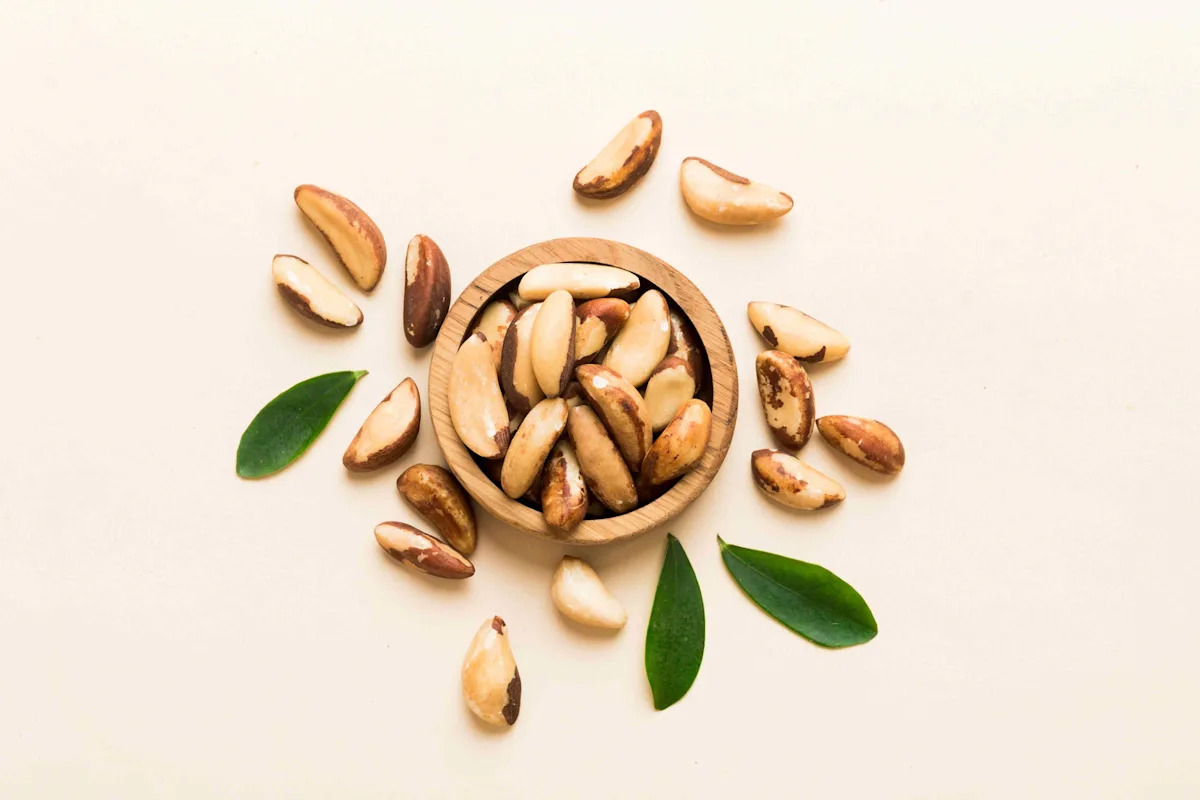
Brazil Nuts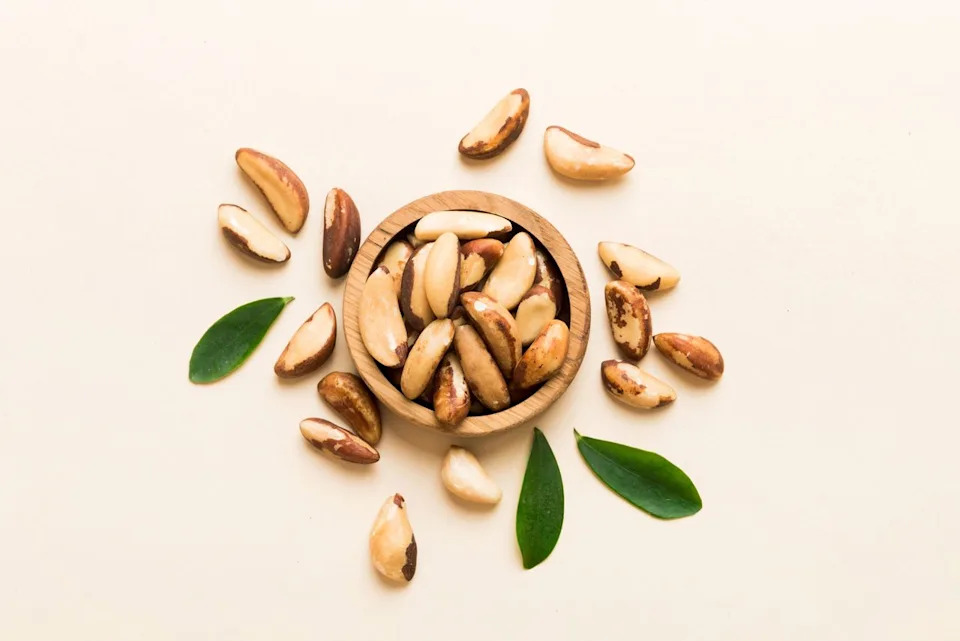
Mykola Sosiukin / Getty Images
There’s a reason why hikers and mountain climbers take trail mix on their demanding journeys: It’s effective at sustaining energy. Okay, and maybe because it’s shelf-stable and portable, too.
“Certain nuts can help reduce fatigue by reducing inflammation and oxidative stress, two common causes of fatigue,” Pace explains. She recommends Brazil nuts specifically, which have high levels of antioxidants to fend off oxidative stress. They’re also known to improve blood lipids (aka cholesterol and triglycerides) and reduce inflammation.
Nuts are also generally packed with other nutrients, such as healthy fats, fiber, protein, vitamins, and minerals, Twigge adds. Brazil nuts are a particularly rich source of selenium, magnesium, and vitamin E, which may contribute to their cardiovascular benefits.
05 of 07
Salmon
Trying to eat more lean protein? Then salmon is probably on your radar. Even though it’s a “fatty fish,” salmon is pretty well known for being a high-quality source of protein and healthy fats, such as omega-3 fatty acids. Along with its vitamin B12 content, these nutrients are a trustworthy trio for supporting energy metabolism, Bannan points out. “Salmon can also fight fatigue by reducing inflammation,” she adds.
If you eat a lot of processed or red meat, you might want to try substituting some of it for fish, like salmon. This is more in line with a Mediterranean-style diet, and this dietary change has been shown to improve fatigue scores in older adults.
06 of 07
Pinto Beans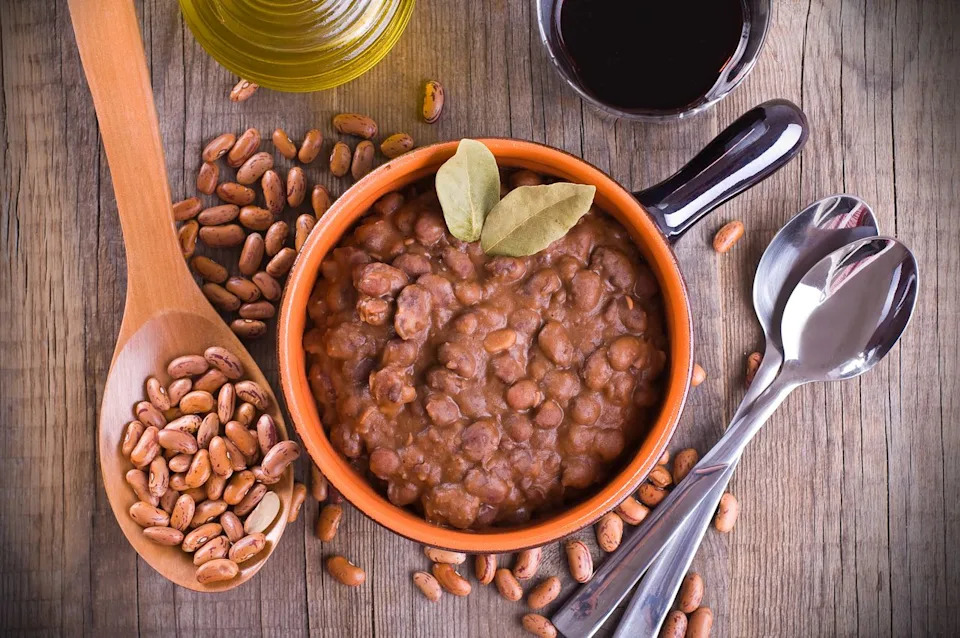
You may associate dietary fiber with gut health (which is a fair connection to make), but it’s also important for energy. Beans and other legumes are rich in this underrated nutrient, and they’re a great source of plant-based protein. While there are many to choose from, pinto beans nearly top the list of legumes with the most micronutrients, including those involved in energy.
“Beans contain a blend of fiber and plant-based protein, two nutrients that digest slowly and give you more sustained energy throughout the day,” Twigge says. “Additionally, beans are also full of nutrients like magnesium and B-vitamins for energy production!”
Research shows that increased fiber intake can reduce fatigue in patients at the end of treatment for colorectal cancer. What’s more, high-fiber diets could reduce the risk of colorectal cancer, and including beans in your diet could lower the risk of cardiovascular diseases.
07 of 07
Lean Beef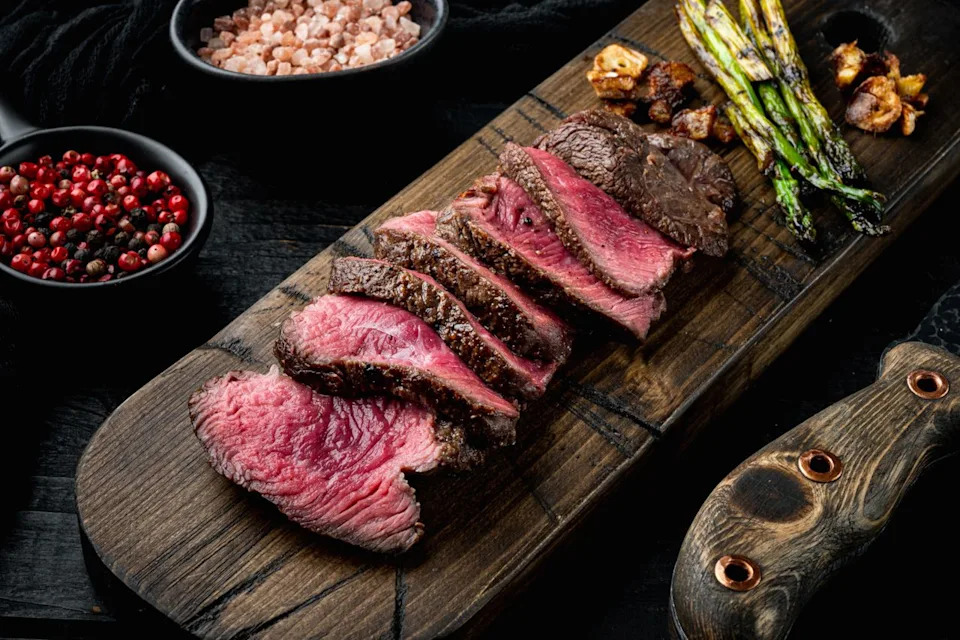
Ilia Nesolenyi/Getty Images
Beef is another food you might not immediately think of when it comes to superfoods. After all, it’s red meat. But experts say that some beef, particularly lean beef, can be good for you in moderation.
“Lean beef is an excellent source of protein, but more importantly, it contains vitamin B12 and zinc, which are crucial for converting food into energy,” Twigge explains. She adds that it’s also an excellent source of heme iron, which provides the oxygen needed for energy production in the body. Researchers recommend capping red meat intake to no more than 98 grams (about 3.5 ounces) per week.
Bottom Line
While food can help fight fatigue, it’s also important to have realistic expectations and take a look at your lifestyle as a whole. “No single food can fix fatigue on its own—consistent energy comes from regular meals, hydration, sleep, and stress management,” Bannan notes. “Superfoods work best when they are part of a balanced eating pattern and an overall healthy lifestyle.”
Read the original article on Real Simple