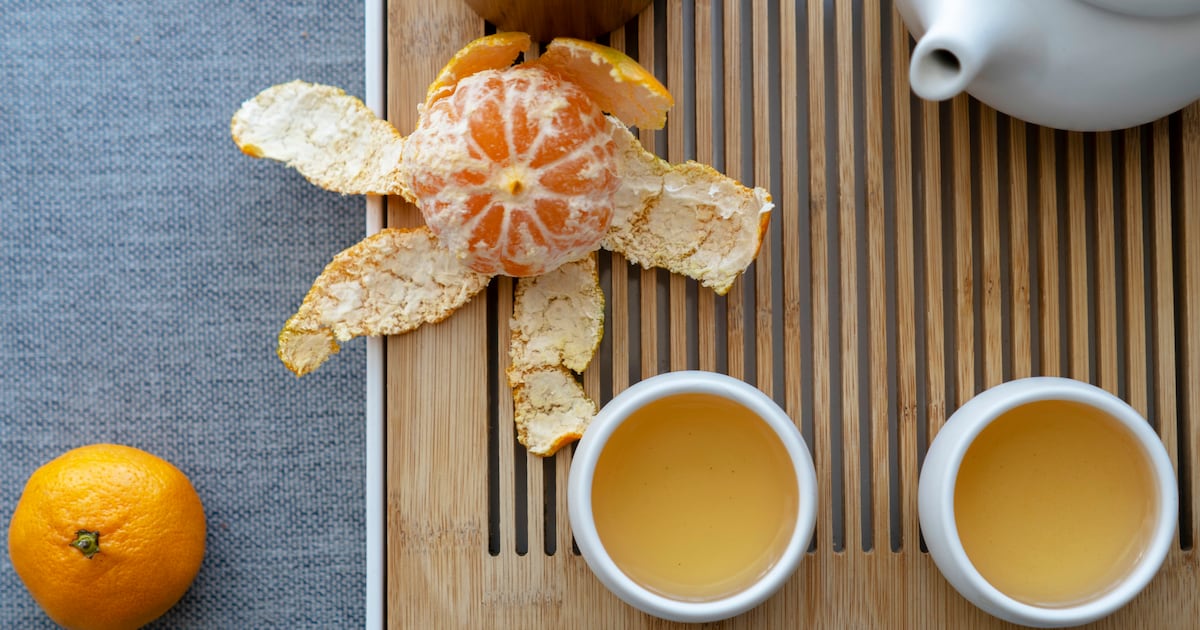
Suchang announced that it is developing Japan-tailored products using mandarin peel (chenpi) through OEM and ODM partnerships, targeting Japan’s growing market for clean-label and wellness-focused food and beverage ingredients.
Japanese consumers place high value on clean-label products and naturally derived ingredients, a trend that has pushed food and beverage manufacturers to seek ingredients with clear safety, traceability, and origin credentials – positioning Jeju-sourced chenpi as a competitive option.
“Jeju mandarin chenpi offers clear differentiation in Japan’s food ingredient market. We plan to expand partnerships with companies developing functional beverages and health-focused products,” said a Suchang representative.
The firm is currently in discussions with Japanese food manufacturers and ingredient distributors to explore collaboration opportunities, citing strong demand for chenpi as an ingredient for premium health teas, functional beverages, and natural flavouring and aroma-enhancing materials in the food and beverage sector.
The functional health benefits of mandarin peel
Mandarin peel contains nutrients including vitamins and flavonoids, which have been reported to support digestive function, provide antioxidant benefits, and contribute to vascular health – attributes that have increased interest among functional food developers.
The mandarin peel supplied by Suchang is produced from Jeju mandarins that are naturally dried without chemical additives, a processing method that aligns with Japanese manufacturers’ preference for minimally processed, plant-based ingredients.
These properties have positioned the citrus peel as a functional ingredient that extends beyond traditional applications into a broader range of functional food and beverage products.
Mandarin peel is already familiar to Japanese consumers, who have long used mikan peel in both culinary and wellness contexts, including brewed teas and as a natural flavouring for snacks and desserts.
This makes mandarin peel a culturally recognisable ingredient for modern development, especially functional products.
The familiarity, combined with rising interest in digestive health and immune-supporting ingredients, suggests opportunities for product reformulation and line extensions within Japan’s functional beverage and health food segments.
Globally, dried citrus peel is increasingly used for flavour enhancement and digestive-support applications, reinforcing its relevance across functional food and beverage markets in Korea, Japan, and other Asia-Pacific regions.
Regional expansion plans
Beyond Japan, Suchang is also exploring expansion into Southeast Asia, with Indonesia identified as a priority market.
The firm is currently in discussions with local Indonesian food brands and OEM producers, aiming to enter the health tea, beverage, and food additive segments using mandarin peel and other citrus-derived ingredients.
Suchang observed that in Indonesia, products based on natural ingredients are spreading rapidly, particularly among younger consumers and the urban middle class, suggesting continued growth in demand for Jeju-sourced mandarin peel.
“As interest in natural health materials continues to grow among Indonesian consumers, attention toward citrus peel ingredients is also rising. Indonesia is experiencing rapid growth in its natural supplement and functional food market, supported by a strong traditional food culture and increasing awareness of wellness-focused consumption,” stated Suchang.
“In this context, mandarin peel is attracting interest from food and beverage manufacturers as well as OEM producers due to its natural citrus aroma and rich functional components.”