Even those who mostly eat healthy occasionally enjoy a cheat meal, and for Alia Bhatt and Deepika Padukone, that treat comes in the form of a comforting bowl of ramen. Their long-time private chef, Harsh Dixit, recently shared how he tailors this indulgence to their tastes while keeping it intentional and flavourful.
“I have made this chicken and pork ramen for Alia Bhatt and Deepika Padukone. Alia told me it transported her to her travels. That’s the power of intentional food,” Chef Dixit said in an interview with The Hollywood Reporter India.

While Alia enjoyed the original recipe, Deepika Padukone likes her food extra spicy, prompting Chef Dixit to go the extra mile. “The actor requested her noodles to be ‘ultra-hot, extra spicy, with Miracle Noodles’. It hit the spotlight for her, and she asked for a second,” he shared. To accommodate both preferences, he prepared two broths — a rich, creamy Tori Paitan and a lighter Shio Tare — along with two noodle options: traditional alkaline noodles and Shirataki noodles, also known as Miracle Noodles.
Chef Dixit also revealed his special touch that sets his ramen apart: “Ramen usually includes a seasoning called tare made of miso or soy, but I like to season the broth directly instead of it, making it a hit.”
But before you add it to your next cheat day menu, let’s take a look at what it really brings to the table nutritionally.
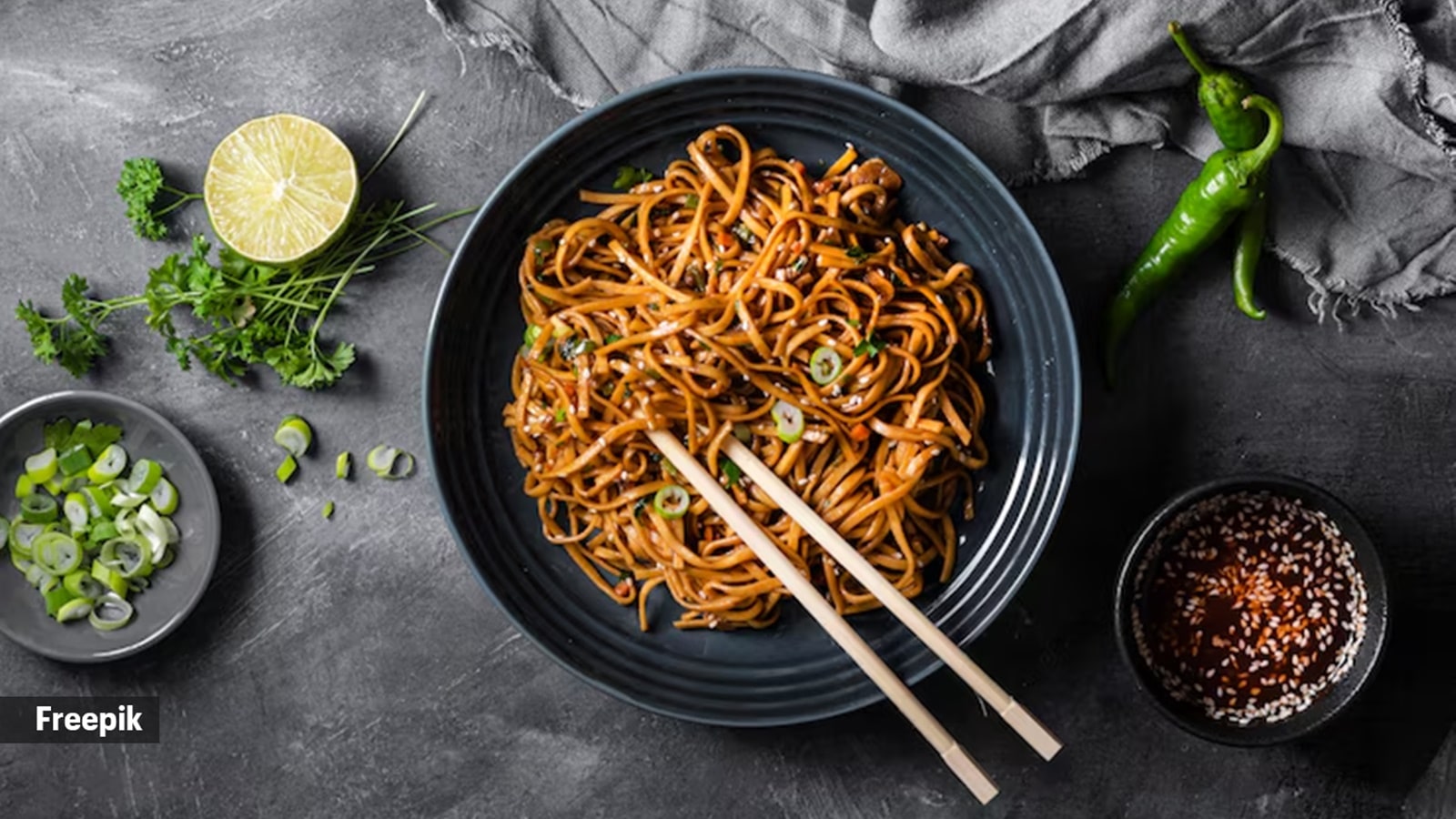 Can you make ramen healthier? (Source: Freepik)
How can someone enjoy ramen or a similar dish without overloading on salt or calories?
Ashlesha Joshi, fitness dietician and nutritionist at Tone 30 Pilates, tells indianexpress.com, “Ramen can absolutely be made healthier without losing its comfort or flavour. The key is to focus on the base, using a clear broth made from vegetables, chicken, or fish stock instead of packaged versions drastically reduces sodium. Swapping refined noodles for whole wheat, soba, or millet noodles can also lower the glycaemic load while adding fibre.”
She adds that including plenty of vegetables, “like bok choy, spinach, mushrooms, and carrots not only enhances nutrition but also adds volume,” making the dish more filling with fewer calories. A final trick is to rely on umami-rich ingredients such as miso, seaweed, or sesame oil to build depth of flavour naturally, without excess salt.
Story continues below this ad
Can adding spices to meals enhance metabolism, and are there any risks to consuming very spicy food frequently?
Joshi notes that spices like chilli, black pepper, and ginger do offer “some short-term metabolic benefits by slightly increasing body temperature and calorie burn.” They can also improve digestion, enhance satiety, and even release endorphins that elevate mood.
However, she stresses that excessive consumption of very spicy food over time can irritate the stomach lining, trigger acid reflux, or worsen conditions such as gastritis.
“For most people, moderate spice levels are perfectly healthy and even beneficial; it’s all about knowing your tolerance and balancing heat with gut-friendly ingredients like yoghurt, cucumber, or fresh herbs,” concludes the expert.
DISCLAIMER: This article is based on information from the public domain and/or the experts we spoke to. Always consult your health practitioner before starting any routine.