
The NHS and a health expert say symptoms of the deficiency can mimic dementia-like symptoms
The deficiency can cause forgetfulness and memory loss (Image: Getty)
Brits plagued by forgetfulness are being told to get their vitamin levels checked, as running low on a crucial nutrient can trigger symptoms similar to dementia. The NHS states that a lack of a particular vital vitamin can cause neurological problems, which affect the nervous system, such as memory loss.
Dr Eric Berg, DC, has also spoken out about the “top vitamin deficiency that mimics dementia”. He says one of the biggest culprits is vitamin B12. Getting adequate amounts of this vital nutrient is absolutely essential, as it’s responsible for producing red blood cells that transport oxygen around your body, managing DNA creation and regulation, and transforming food into usable energy.
Dr Berg, who has made his name championing healthy ketosis and intermittent fasting, wrote the bestseller “The Healthy Keto Plan” and manages Dr Berg Nutritionals. He has since stepped back from clinical practice to focus on sharing health wisdom across social media.
Why is a deficiency worrying?
Vitamin B12 plays a pivotal role in maintaining the proper functioning of your central nervous system, while supporting sharp cognitive function and a solid memory. Fall short on vitamin B12, and you might find yourself battling weakness, numbness, difficulty walking, nausea, weight loss, irritability, exhaustion, and a racing heart.
Even your bones, hair, skin, and nails could take a battering. Dr Berg explains: “Vitamin B12 is essential for normal brain function—without it, you can experience symptoms of dementia. This vitamin is found most abundantly in animal products, though certain microbes can also produce it. Low animal product consumption is the most common cause of vitamin B12 deficiency.”
Studies indicate that a deficiency in vitamin B12 can cause problems with nerve function, potentially leading to conditions such as dementia, peripheral neuropathy, or subacute combined degeneration. Insufficient vitamin B12 can disrupt DNA synthesis and lead to a buildup of homocysteine.
What does the NHS say?
On its website, the NHS states: “As most cases of vitamin B12 deficiency or folate deficiency can be easily and effectively treated, complications are rare. But complications can occasionally develop, particularly if you have been deficient in either vitamin for some time… If neurological problems do develop, they can sometimes be irreversible.”
The health service says a lack of vitamin B12 can cause neurological problems, including:
vision problemsmemory losspins and needlesloss of physical co-ordination (ataxia), which can affect your whole body and cause difficulty speaking or walkingdamage to parts of the nervous system (peripheral neuropathy), particularly in the legs
A 2020 study identified a “clear association between low vitamin B12 levels and progressive cognitive impairment”. However, researchers noted that “further studies are needed to confirm and refine the observed associations over a larger scale and to determine whether this change will translate to a reduction in cognitive decline”.

If you have any concerns about your vitamin levels, speak to a GP (Image: )
More than 10% of elderly people are found to have low vitamin B12 levels. Beyond memory loss, a vitamin B12 deficiency can trigger other neurological issues and psychological symptoms, including:
ConfusionDifficulty thinking and reasoningTingling and numbness in the hands or feetLoss of balance and coordinationFatigueWeaknessVision problemsPeripheral neuropathy, which damages the nervous systemDepression, anxiety, paranoia, and delusionsIncontinenceLoss of taste and smellCan a vitamin B12 deficiency be treated?
If you’re diagnosed with a vitamin B12 deficiency, treatment typically involves taking high doses of the vitamin, either via injections or supplements. Your GP may need to carry out regular blood tests to keep track of your vitamin B12 levels.
The longer vitamin B12 deficiency remains untreated, the greater the risk of lasting damage. That said, the condition can be reversed, with most people seeing substantial improvement within three to six months. Additional symptoms of a vitamin B12 deficiency can include:
Numbness, pins and needles, and tingling in the extremitiesPale skinPoor balance or staggeringRapid pulseShortness of breathSwelling of the tongue
Low levels of hydrochloric acid (HCL) in the stomach can also trigger vitamin B12 deficiency, he noted. Breaking down the reason, Dr Berg explained: “Your digestive system requires HCL to break down and absorb many vitamins and minerals.
“As you age, your HCL level decreases. It can also decrease if you take antacids or Metformin. Interestingly, acid reflux can be a sign of low HCL, and taking antacids can make matters worse. Betaine hydrochloride is the best way to promote normal stomach acidity.”
The health specialist also highlights that dementia-like symptoms may arise from the side effects of certain medications and substances, including:
AntacidsBladder medicationsSleep aidsSSRIsCholesterol medicationsBlood pressure medicationsSteroidsAlcohol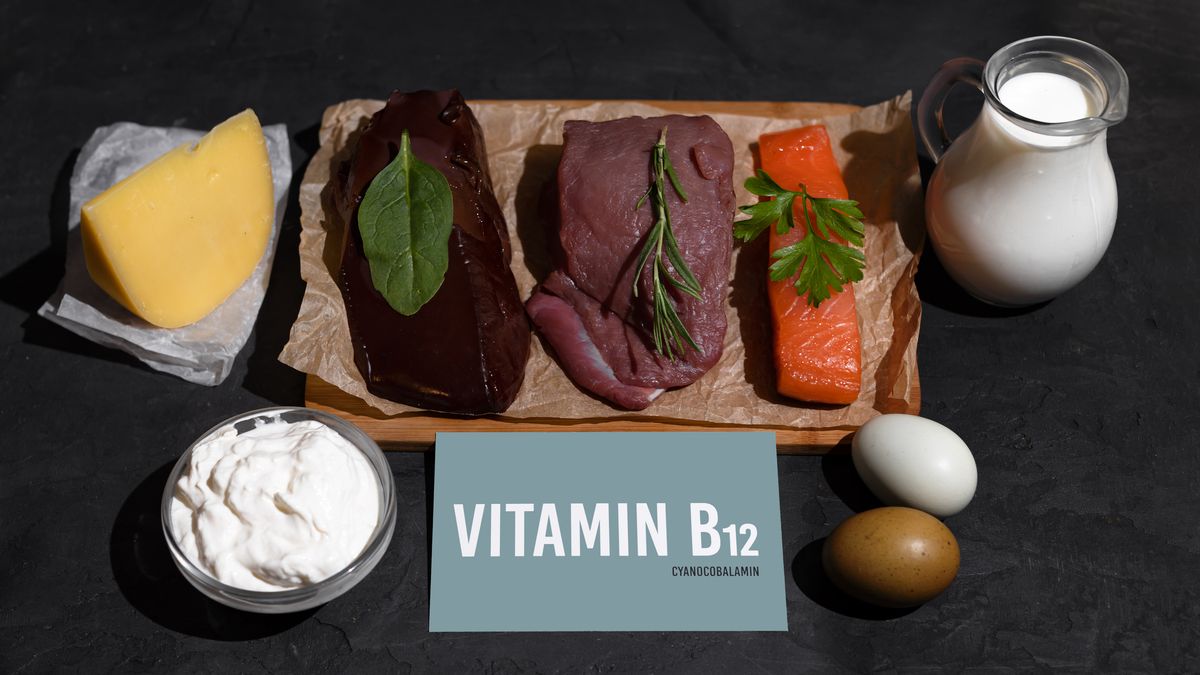
Vitamin B12-rich foods include beef, liver, salmon, tuna, sardines, clams, poultry, eggs, and dairy(Image: )
Foods that are high in Vitamin B12 mostly come from animals, such as meat (like beef and liver), fish (like salmon, tuna, sardines, and clams), poultry, eggs, and dairy products (like milk, cheese, and yoghurt). For vegans and vegetarians, fortified cereals, plant milks, and nutritional yeast are essential options, as B12 is not typically found in most plant-based foods. Great sources of B12 include clams, beef liver, sardines, salmon, and fortified foods, which are essential for energy and maintaining healthy nerves.
What else is worth being aware of?
A shortage in any of these nutrients may likewise trigger dementia-like symptoms, such as vitamin B1 – often linked to high sugar and carb intake, Dr Berg points out. Alongside zinc – frequently a consequence of phytic acid found in grains – and vitamin D – stemming from insufficient sun exposure. “Nutrient deficiencies may shrink your hippocampus, which leads to Alzheimer’s disease,” Dr Berg said.
A study titled ‘Concurrent nutrient deficiencies are associated with dementia incidence’ states: “Concurrent nutrient deficiencies are associated with the risk of dementia.” However, it adds: “The potential of optimising nutritional status to lower dementia risk warrants further study.” Meanwhile, a UCL analysis also shows that the “hippocampus size linked with cognitive decline even in those with no signs of Alzheimer’s”.
Dr Berg continued: “Increasing your ketones will help nourish a brain starved of fuel and nutrients”. If you’re experiencing dementia symptoms, Dr Berg recommends speaking to your doctor about potentially starting a keto diet, consuming more fatty fish, red meat and seafood, and taking betaine hydrochloride.
Early common symptoms of dementia:Forgetting recent events, names, and facesDifficulty concentratingDifficulty planning or organizingDifficulty with language and communicationMisunderstanding what is being seenBeing confused about time or placeMood changes or difficulty controlling emotionsOther symptoms:Difficulty completing familiar tasksBecoming more withdrawn or anxiousMisplacing common items, such as glasses or keysDifficulty learning new thingsReduced motivationHallucinations and delusionsDepression or anxiety
As the condition progresses, people may display hostile behaviour, struggle to acknowledge their illness, suffer from disrupted sleep patterns, and encounter false perceptions or confusion about identity, alongside an altered perception of time. Everyone’s journey with dementia differs, and different types of the condition can affect people in varying ways.
The earliest warning signs of dementia can be rather vague and easy to miss. Should you have any worries or notice any of the symptoms described, consult a GP. If vitamin deficiency isn’t the culprit, your doctor will investigate alternative explanations.