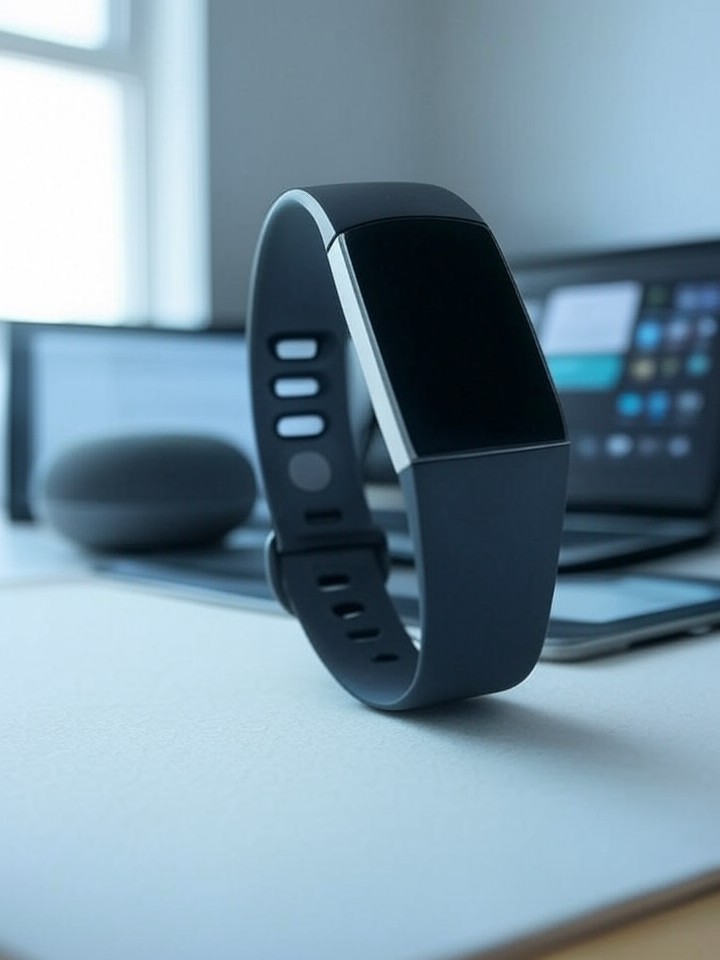
In the rapidly evolving world of wearable technology, Fitbit’s latest foray into artificial intelligence is turning heads among fitness enthusiasts and tech analysts alike. The company’s AI-powered personal health coach, still in its beta phase, promises to personalize workout regimens in ways that traditional fitness trackers have only dreamed of. Drawing from a user’s historical data, daily metrics, and even conversational inputs, this tool isn’t just tracking steps—it’s actively reshaping how people approach their health routines. For those deeply embedded in the tech and wellness sectors, understanding this development means looking beyond the hype to its underlying mechanics and potential market impact.
At its core, the Fitbit AI coach leverages Google’s Gemini AI model to analyze a wealth of user data, including sleep patterns, heart rate variability, and activity logs. This integration allows for dynamic workout plans that adapt in real time, a stark contrast to static apps of the past. Users can input goals conversationally, such as “help me build endurance for hiking,” and the system responds with tailored suggestions, incorporating rest days and progressive overload principles. Early adopters report a sense of having a virtual trainer who’s always on call, without the need for expensive personal coaching sessions.
But what sets this apart in the crowded field of health tech? It’s the depth of personalization. Unlike generic fitness apps that rely on broad algorithms, Fitbit’s version dives into individual biometrics to predict fatigue or overtraining risks. This isn’t mere gamification; it’s a data-driven strategy that could redefine user retention in wearables, especially as competition heats up from rivals like Garmin and Apple.
The Tech Behind the Transformation
Industry insiders point to the sophisticated architecture powering this AI coach. As detailed in a post on the Google Blog, the system uses a multi-agent framework where sub-agents handle tasks like data analysis and conversational responses. This allows for complex reasoning, such as interpreting physiological trends over weeks or months to suggest adjustments. For example, if your sleep score dips consistently, the coach might prioritize recovery workouts over high-intensity sessions, drawing from aggregated user data while maintaining privacy through on-device processing.
Recent hands-on reviews highlight how this translates to real-world use. In a piece from Android Authority, the author describes a complete overhaul of their routine: from sporadic gym visits to a structured plan that incorporated strength training and mobility work, leading to measurable improvements in energy levels and performance. The AI’s ability to celebrate small wins, like consistent hydration tracking, adds a motivational layer that’s often missing in standalone trackers.
Moreover, integration with Fitbit Premium unlocks advanced features, such as AI-generated insights on nutrition and stress management. This builds on Google’s broader ecosystem, where data from Android devices can feed into the coach, creating a holistic view of health. Analysts note that this could position Fitbit as a leader in preventive health tech, especially with rising interest in AI for wellness post-pandemic.
User Experiences and Early Feedback
Feedback from beta users, as shared across social platforms like X, paints a picture of cautious optimism. Many praise the conversational interface for making fitness advice feel accessible, with one user noting how the AI helped them transition from sedentary habits to regular runs without overwhelming them. Posts on X emphasize the coach’s role in demystifying complex health data, turning raw numbers into actionable plans.
However, not all responses are glowing. Some users report initial glitches, such as overly aggressive workout recommendations that ignore personal limitations like injuries. A review in TechRadar points out the redesigned app interface, which packs in AI commentary alongside stats, can feel cluttered at first. This learning curve might deter casual users, but for dedicated fitness buffs, it’s a worthwhile trade-off for deeper insights.
Comparisons to competitors are inevitable. Strava’s recent Instant Workouts feature, covered in Android Central, uses similar AI to suggest sessions based on fatigue levels, escalating what some call an “AI coaching war” among wearables. Fitbit’s edge lies in its seamless tie-in with hardware like the Versa or Sense watches, where on-wrist prompts can guide users mid-workout.
Market Implications for Wearables
As we move into 2026, Fitbit’s AI push comes at a pivotal time. With Google as its parent company since the 2021 acquisition, there’s ample resources to iterate quickly. A hands-on exploration in another Google Blog entry showcases features like sleep coaching, where the AI analyzes patterns to recommend bedtime routines, potentially reducing reliance on pharmaceuticals for insomnia.
Industry observers are watching how this affects user engagement metrics. Data from Fitbit’s public preview, announced in October 2025 and detailed on the Google products blog, indicates high adoption among U.S. Premium subscribers. This could boost subscription revenue, a key growth area as hardware sales plateau in mature markets.
Yet challenges loom. Privacy concerns are paramount; while Google assures data is anonymized, skeptics worry about the implications of AI handling sensitive health info. Posts on X reflect this sentiment, with users debating the trade-offs between personalization and data security in an era of increasing regulations like GDPR extensions.
Innovations in AI-Driven Health
Delving deeper, the coach’s use of Gemini AI enables predictive modeling that’s remarkably accurate. For instance, it can forecast energy dips based on historical heart rate data, suggesting preemptive adjustments like lighter cardio days. This is echoed in a PCMag article where the reviewer tested the system over five weeks, noting tangible results even during holiday indulgences, as covered in PCMag.
Partnerships add another layer. Fitbit’s collaboration with figures like Stephen Curry, mentioned on the Google Store, infuses motivational content, blending celebrity endorsement with tech. This could appeal to younger demographics, expanding beyond traditional fitness trackers.
On the technical front, the system’s deep-agent architecture—handling everything from numerical reasoning on biometrics to domain-specific advice—sets a benchmark. As one X post from a tech enthusiast highlights, this orchestration of sub-agents could inspire similar implementations in other apps, pushing the boundaries of what’s possible in consumer AI.
Competitive Pressures and Future Directions
Rivals aren’t standing still. Garmin’s daily suggested workouts and Apple’s Fitness+ integrations offer stiff competition, but Fitbit’s conversational AI feels more intuitive for beginners. A Wall Street Journal piece on virtual trainers, including Fitbit’s, notes how these tools refuse excuses, keeping users accountable, as discussed in The Wall Street Journal (specific article on AI coaches).
Looking ahead, expansions beyond the U.S. could globalize this tech. Reddit threads, like one on r/fitbit from October 2025, express frustration over regional limitations but excitement for broader rollout. This phased approach allows Fitbit to refine based on feedback, potentially incorporating more languages and cultural fitness norms.
Integration with emerging tech, such as AR glasses for real-time form correction, might be next. Industry insiders speculate that by mid-2026, AI coaches could evolve to include mental health components, analyzing stress via wearables to suggest mindfulness breaks.
Sustaining Momentum in Wellness Tech
The broader implications for health management are profound. As AI optimizes nutrition and sleep alongside exercise, it could shift paradigms from reactive to proactive care. An X post envisioning AI’s role in hormone management and bodybuilding underscores this potential for hyper-personalization.
However, success hinges on user trust. Fitbit must navigate ethical AI use, ensuring recommendations are evidence-based and not overly prescriptive. Reviews like one from Android Central after a month’s use praise the reimagined app but note it’s “not quite there yet,” suggesting room for polish.
For tech professionals, this development signals a maturation in wearables, where AI isn’t a gimmick but a core utility. As Fitbit refines its coach, it may well dictate the next wave of innovations, blending data science with human-centric design to foster lasting health habits.
Pushing Boundaries in Personalized Fitness
Ultimately, what makes Fitbit’s AI coach compelling is its ability to evolve with the user. Early previews show it adapting plans based on progress, such as scaling up intensity after consistent performance. This adaptive learning loop, powered by machine learning, could reduce dropout rates common in fitness apps.
Collaborations with medical experts might further legitimize the tool, perhaps integrating with electronic health records for doctor-approved plans. Sentiment on X leans positive, with users calling it a “game changer” for health literacy.
As 2026 unfolds, Fitbit’s gamble on AI could either revitalize its brand or highlight the pitfalls of over-reliance on tech. For now, it’s clear this coach is more than a feature—it’s a blueprint for the future of intelligent wellness.