January, February, and March are fine months, but they can also be tough on your brain. Shorter days and disrupted routines can make your mood feel like it’s running on empty. While light therapy, moving more, and supportive sleep habits help, your plate might be the easiest place to support your emotional baseline.
According to research, omega-3s, when consumed consistently, can reduce inflammation and support your mood. We asked a dietitian and an MD to explain what else makes this nutrient so powerful, the science behind its effects, and the simplest ways to get more of it this winter.
Samantha Peterson, MS, RD, registered dietitian and holistic health expert at Simply Wellness
Bronwyn Holmes, MD, board-certified physician specializing in women’s health and nutrition, and medical advisory board member at Eden Health
Why Omega-3s Are the Best Nutrient for Boosting Your Mood This Winter
Aside from vitamin D, omega-3 fatty acids are arguably the most important nutrients for brain health in the winter. “When it comes to winter mood support, one of the most impactful nutrients is omega-3 fatty acids, particularly EPA and DHA,” says registered dietitian Samantha Peterson, MS, RD. “These fats play a foundational role in brain health and emotional regulation, and they’re especially important during the winter months when serotonin naturally dips and inflammation tends to rise.”
Board-certified physician Bronwyn Holmes, MD, agrees. “I notice that the winter months make my mood lower,” she says. “The inflammation and the physiological stress hurt the brain. Omega-3s, EPA, and DHA work at the cellular level to lower inflammation and support health.”
What makes omega-3 fatty acids essential is their unique role in brain structure and brain function. “Sixty percent of the brain is made of fat, and omega-3 fatty acids are a part of brain cell membranes,” Dr. Holmes says. “When there is no omega-3, the way brain cells talk becomes slower. It can cause mood problems, which is especially true during the winter.” In the winter, you may eat more comfort foods like refined carbs, which Dr. Holmes says can raise your inflammation levels. Adding more omega-3s to your diet has the potential to counteract this pattern that can otherwise hurt your mood.
Mood-Specific Benefits of Omega-3s
“Omega-3s are a winter mood MVP because they work on several layers at once,” Peterson says. “For many people, increasing omega-3 intake creates a noticeable boost in mood and overall emotional resilience during the winter months.” Here’s what’s happening when you consume more.
Reduces Brain Inflammation
Research consistently shows that lower levels of neuroinflammation can support better mood regulation and emotional stability. “Chronic inflammation is linked to low mood, and omega-3s help fight inflammation in the brain,” Dr. Holmes says. “I notice a change in mood when suspected brain inflammation goes down.”
This anti-inflammatory effect may be especially relevant for anxiety, since elevated neuroinflammatory markers are associated with heightened stress responses and anxious symptoms. According to one randomized controlled trial, omega-3 intake reduced inflammatory activity in the brain regions involving fear and emotional regulation.
Helps the Brain Communicate
Omega-3s also help the brain cell membranes “stay smooth,” Dr. Holmes says. In other words, omega-3 fatty acids increase membrane fluidity, which allows receptors and signaling proteins to move and function more efficiently. “The smooth brain cell membranes let neurotransmitters like serotonin and dopamine work properly.” “I think of omega-3s as fixing the talking paths in the brain. When the talking paths work well, the brain can keep your mood steady.”
Protects Against Depression
The neuroprotective effects of omega-3s go beyond anxiety, too. “One review found that omega-3 supplementation with EPA content reduced depression more than a placebo,” Dr. Holmes says.
Peterson cites other strong research behind this theory: “One meta-analysis found that omega-3 supplementation improved depressive symptoms, especially in individuals with elevated inflammation,” she says, adding that EPA-rich omega-3 formulations can improve mood and emotional well-being.
Foods High in Omega-3s
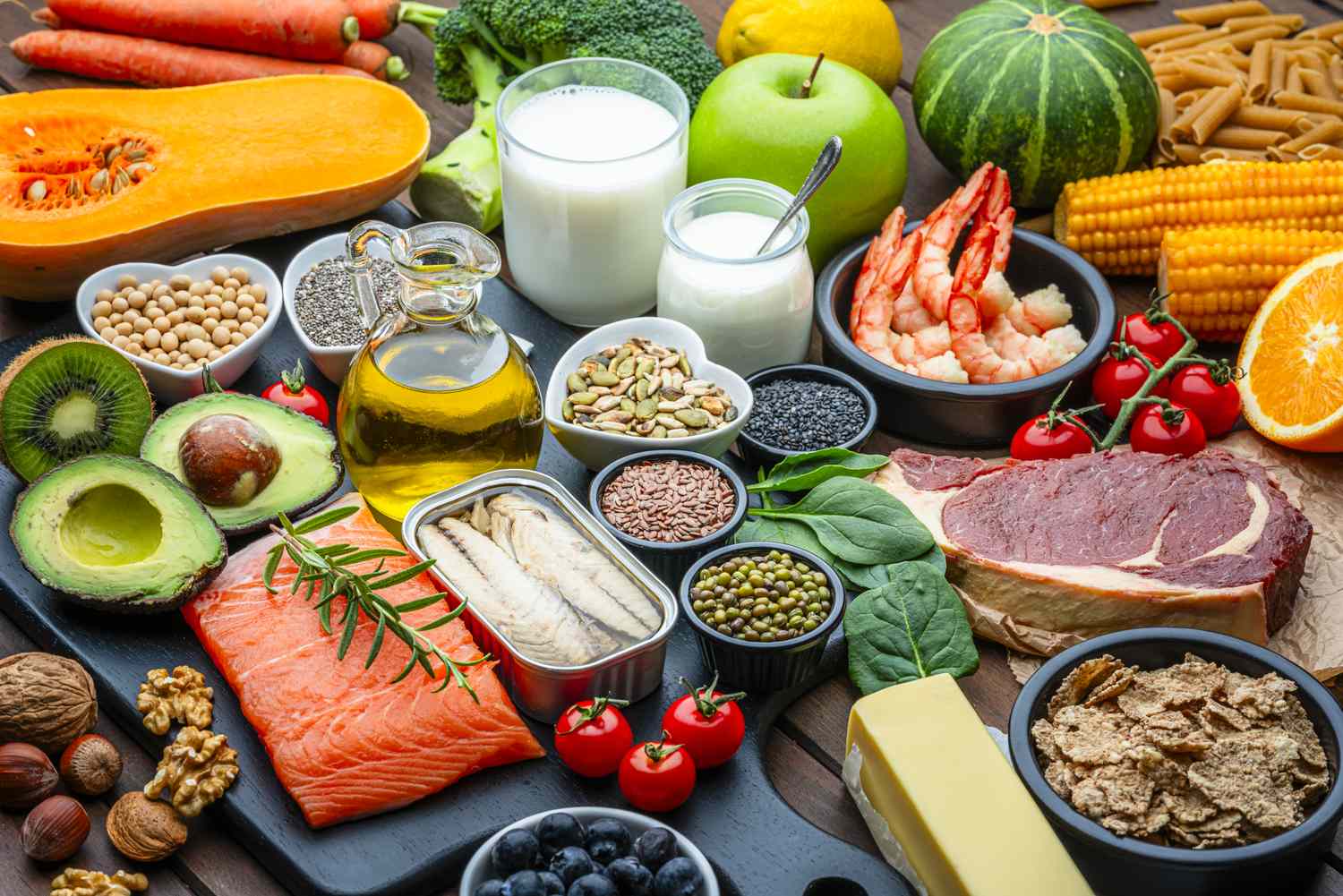
“From a food-first perspective, increasing intake of omega-3–rich foods is an effective and accessible place to start,” Peterson says. But be patient: The biggest changes usually appear after six to eight weeks of diet changes, Dr. Holmes notes. Here are the top sources to add to your diet.
Fatty Fish
You should make fatty fish a big focus in the winter months. “Fatty fish such as salmon that’s wild caught, mackerel, sardines, herring, and anchovies are the best sources of EPA and DHA,” Dr. Holmes says. “Aim for two servings of four ounces each week.”
Seeds and Nuts
Many seeds and nuts are also packed with plant-based omega-3s. “I add flaxseeds (ground, not whole), chia seeds, hemp seeds, and walnuts to the meals, for plant-based options,” Dr. Holmes says. “Flaxseeds are especially useful. I mix flaxseeds into oatmeal, yogurt, or smoothies. Your body must turn plant-based omega-3s (ALA) into EPA and DHA.”
Greens
Believe it or not, your salad might also provide you with some fatty acids. “I add greens like spinach and kale to my meals because dark leafy greens have a small amount of omega-3s,” Dr. Holmes says. “Dark leafy greens become even more valuable when I mix greens with other omega-3 sources. Dark leafy greens also provide magnesium and B vitamins to support brain health.”
How to Eat More Omega 3s Throughout the Day
Getting more omega-3s doesn’t require a huge adjustment to your typical routine. In fact, small additions throughout the day can feel far more sustainable than relying on supplements. “I start my day with chia pudding made with almond milk and berries,” Dr. Holmes says. “At lunch, I add walnuts to the salad. At dinner, I aim for fatty fish twice a week. If you are concerned about mercury in fish, you should focus on fish such as sardines and anchovies.”
In Dr. Holmes’ experience, adjusting your diet works better than taking supplements. “The dietary approach uses food sources that provide omega-3s with nutrients that help the body absorb them,” she says.