As someone who writes about fitness for a living – and who, hand on heart, loves to do Pilates in her spare time – I’ve tested many a Pilates move over the years. Some come straight from Joseph Pilates’ original mat sequence, like scissors and spine twist (including the supine variation), while others are more modern interpretations designed to meet our bodies where they’re at today – think toe taps, clamshells, and STOTT Pilates-style adaptations.
Through all the first-person fitness experiments I’ve done for MC UK, there’s been a major learning: the moves that look the simplest are often the ones that challenge you the most.
Which brings me to frog presses. Often hailed as one of the best low-impact exercises for building deep core strength, this unassuming Pilates staple promises deep core engagement, stronger hips, and improved control – all without high-impact movement or heavy loading. On paper, it sounded exactly like my kind of exercise.
You may like
So, naturally, I decided to put it to the test. I committed to doing frog presses every day for a week to see whether they lived up to the hype – and whether this subtle Pilates move deserves more of a spotlight than it currently gets.
On the hunt for more Pilates exercises to add to your workout regimen? We’ve rounded up the best classical Pilates moves, the best advanced Pilates core exercises, and the best Pilates moves for legs. Make sure you check out our take on the best Pilates apps to work out at home with, too, and tried and tested edits of the best Pilates leggings, Pilates tops, unitards, grippy socks, Pilates sliders and even at-home Reformer machines, while you’re at it.
Pilates experts swear by frog presses for building deep core strength – your guideWhat are frog presses?
At first glance, frog presses look deceptively simple. The move is usually performed lying on your back, with the soles of your feet together and knees opened out into a diamond shape – yes, like a frog. From there, you either press the legs away from the body or lift through the hips, depending on which muscles you’re aiming to target.
As Victoria Repa, certified Pilates instructor and founder of BetterMe, explains: “The frog press is an exercise that targets the lower abdomen, inner thighs, glutes, and pelvic floor.” It’s a controlled movement that asks a lot of your core without looking especially flashy – which is probably why it flies under the radar.
“Although it looks simple, the real work isn’t in the legs, it’s in how well you can stabilise your centre while the legs move,” Jade Edwards, Pilates teacher and founder of Coconut Wellness Studios, adds. “It’s a quiet, controlled exercise that teaches the body how to move from the hips without disturbing the spine.”
There are two common ways you’ll see frog presses performed. One variation lifts the upper body slightly, placing more emphasis on the abdominal muscles and hip flexors. The other keeps the head and shoulders down and focuses on extending through the hips, shifting the workload towards the glutes. Same shape, different sensations – and both far tougher than they look.
What are the benefits of frog presses?
It turns out that frog presses pack a pretty powerful punch. Below are three key benefits you can expect to see from this move.
You may like
1. They build deep core strength
Frog presses are especially good at switching on the lower abs – a muscle group that’s hard to target with traditional crunches. “Unlike high-impact exercises, frog presses allow you to engage the core deeply while minimising stress on the neck and spine,” Repa explains.
The power of a move like this shouldn’t be overlooked. A recent paper found that abdominal exercises focused on deep core activation can improve both stability and posture, making them a smart choice if you’re after strength without strain.
2. They work the glutes and inner thighs
Thanks to the turned-out leg position, frog presses quietly work the glutes and inner thighs, helping stabilise the hips without loading the joints. “This makes them a great option for strengthening the lower body without joint stress,” Repa advocates.
3. They improve hip mobility over time
If you suffer from hip stiffness (me too), frog presses should definitely be on your radar. And research has shown that you can improve hip mobility over time, with regular targeted exercise.
So, practising a move like the frog press regularly would bring long-term improvement in your hips’ range of motion – especially helpful if you sit for long periods of time.
How to perform frog presses with good form
For my week-long challenge of trying frog presses every day, I decided to focus on the core-dominant frog press – the version where the upper body is lifted slightly to really target the lower abs.
Repa recommends the following cues to make sure you’re performing the move correctly:
Lie on your back with knees bent and turned out, heels together and toes wide, forming a diamond shape.Rest your arms by your sides or place them behind your head. Lifting your head and shoulders will increase the intensity.Press your lower back gently into the mat to support the spine.Exhale, then extend your legs to around a 45-degree angle, squeezing the heels together and engaging your core.Inhale as you bend the knees and draw them back towards the chest with control.Keep your movements slow and controlled – this isn’t about speed.My review of trying frog presses every day for a weekDays one to three
I wasn’t expecting frog presses to be a breeze – everything I’d read about the exercise suggested that doing them every day would be a challenge. Day one on the mat quickly proved that instinct right.
When I first tried this exercise, my legs felt akin to a quivering mess, and I struggled to move with any real control. Instead of slowly extending and returning to that diamond position, I found myself rushing the movement – snapping my legs back in after each rep just to get it over with.
Things got even more interesting when my right hip started clicking during the exercise. Not ideal, but not entirely surprising either – it’s a long-standing problem area for me and tends to make itself known whenever I’m doing anything that involves putting the hip through its full range of motion. Still, it was a reminder that frog presses demand proper form and patience, not momentum.
Keen to get things back on track, I asked Pilates teacher Edwards if she had any tips. Her advice was to slow everything down and focus on the foundations. “Before moving, connect the backs of your arms into the mat to find your arm-back connection. Gently activate your powerhouse – think of drawing the lower abdominals in and up, without flattening or tilting the pelvis. Keep the ribs relaxed.”
Once I started thinking less about the legs and more about what was happening through my centre, the movement began to feel steadier. The shaking didn’t disappear overnight, but by day three, I could already tell that control – not speed – was going to be the real challenge of this week.
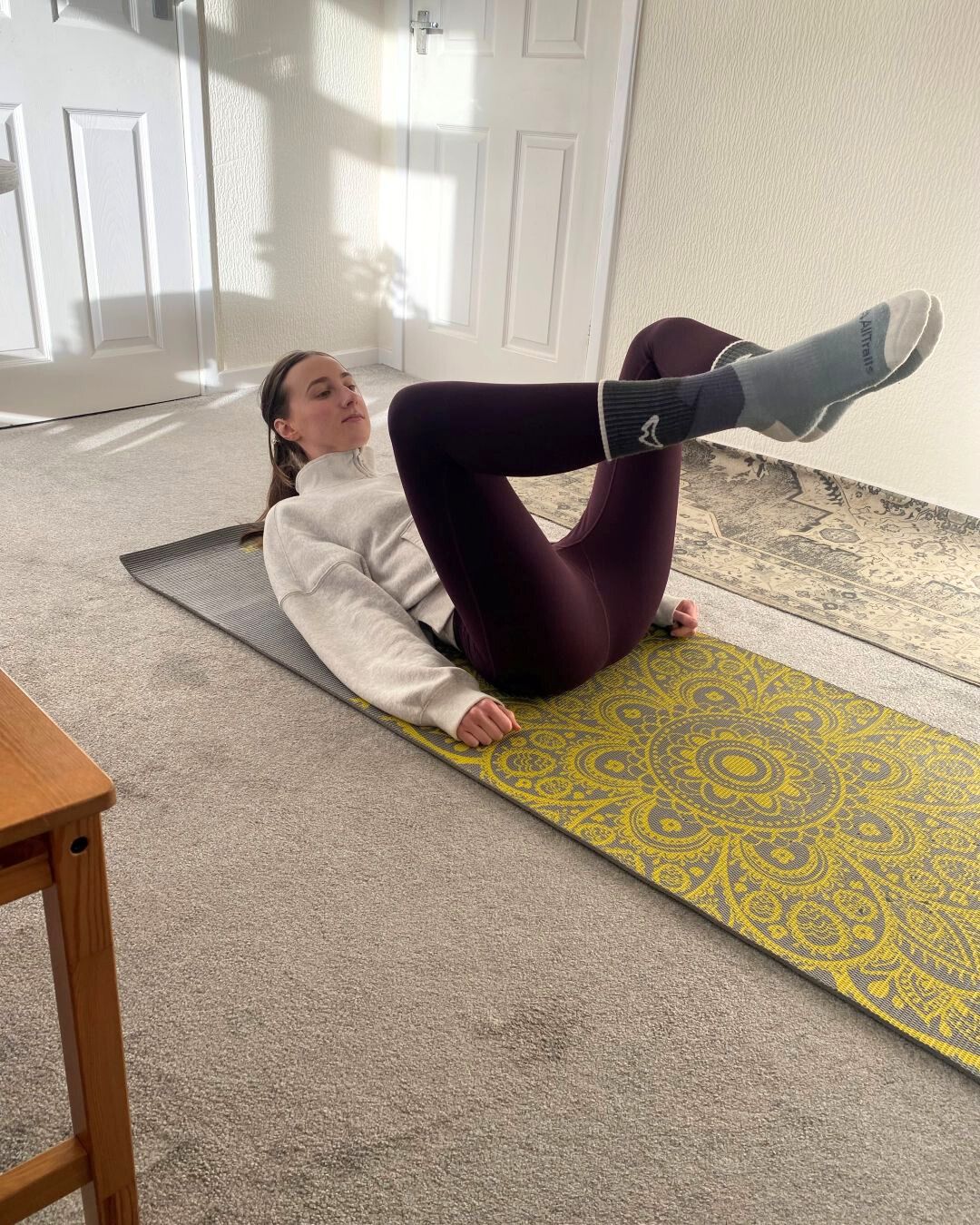
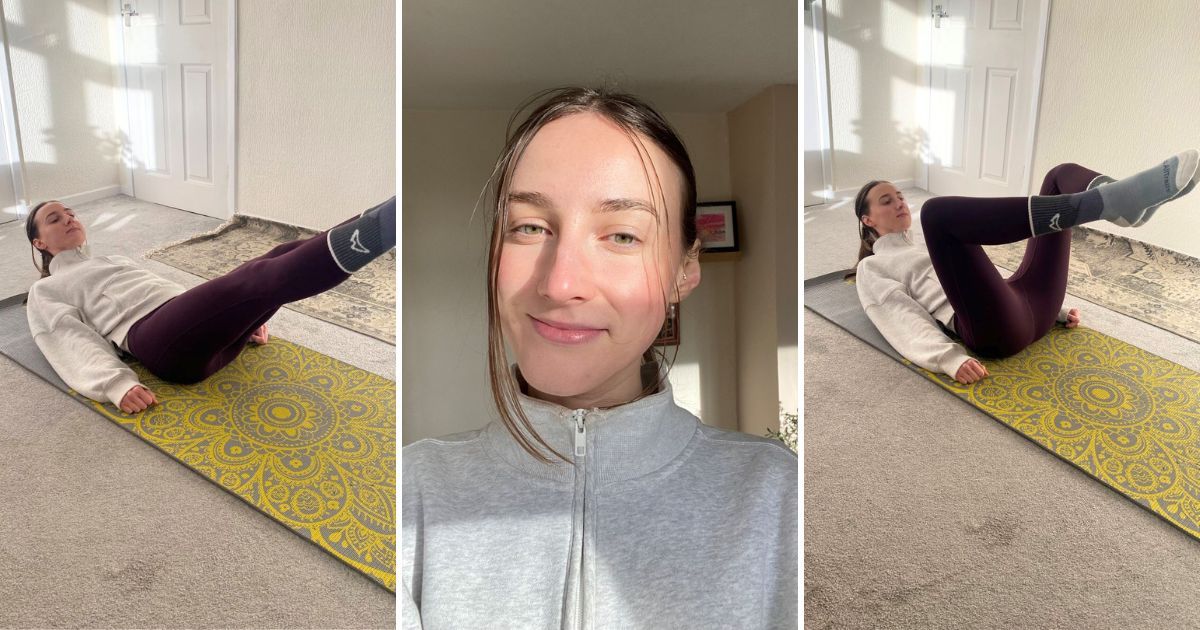
When Katie first tried the move, her legs felt akin to a quivering mess and she struggled to move with any real control. The shaking didn’t disappear overnight, but by day three, she could already tell that control – not speed – was going to be the real challenge of this week.
(Image credit: Katie Sims)
By the second half of the week, the movement started to feel far less chaotic. I wasn’t completely free of wobbles, but I could finally slow things down and focus on control rather than rushing through each rep. Once I paid more attention to stabilising through my core and keeping my ribs relaxed, the exercise felt more intentional – and less like a battle, as it were.
While my right hip didn’t magically stop clicking overnight, it felt more comfortable as the week went on, which I’ll take as a win. I also noticed that the effort shifted away from my hip flexors and into my lower abs, which made the exercise feel more balanced.
By day seven, frog presses had well and truly earned my respect. They’re subtle, controlled, and far more demanding than they look – but they deliver exactly what they promise. I felt stronger through my centre and more aware of how I move from my hips.
It’s official: I’m a fan.

By day seven, frog presses had well and truly earned Katie’s respect. They’re subtle, controlled, and far more demanding than they look – but they deliver exactly what they promise.
(Image credit: Katie Sims)
Shop MC UK approved fitness essentials here:
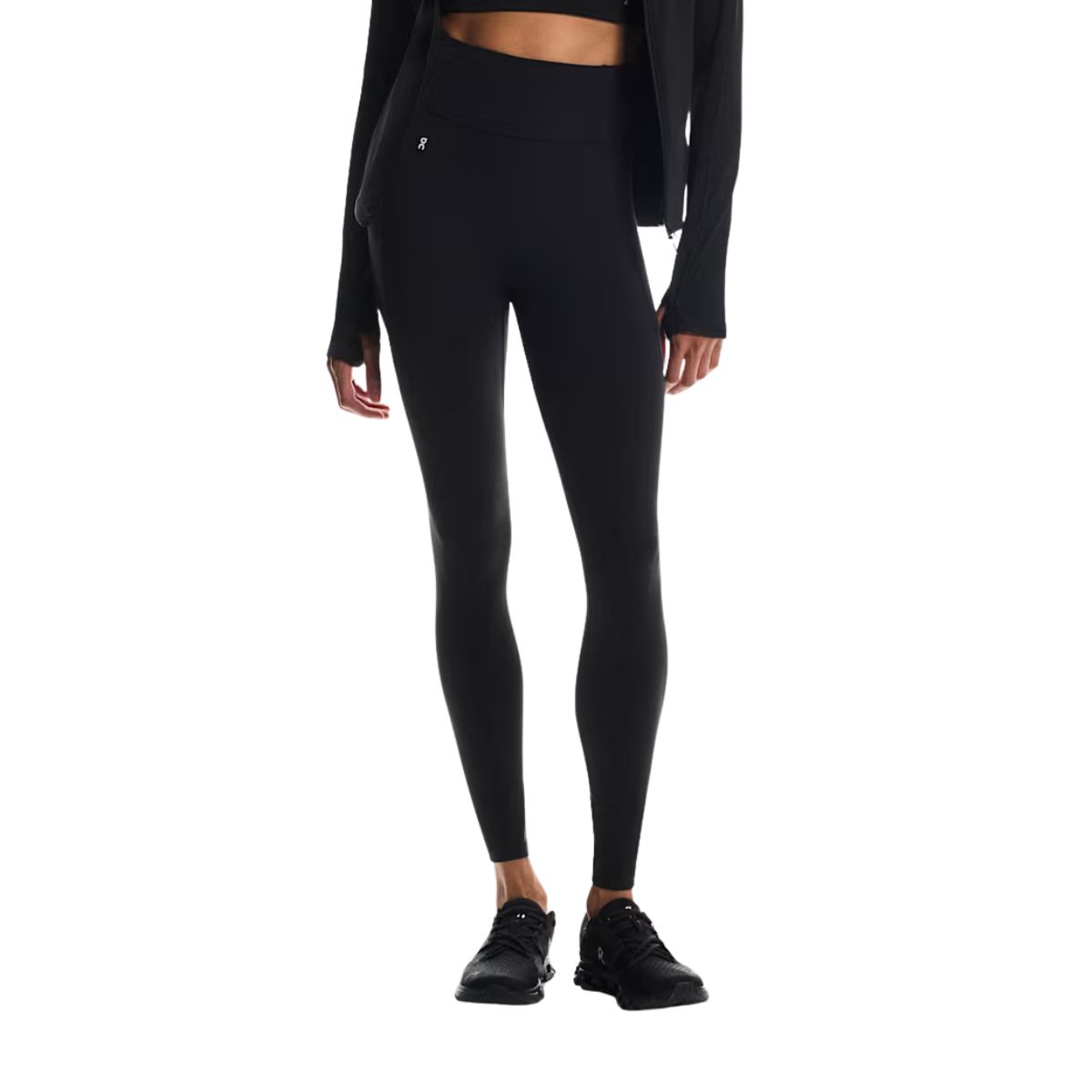
ON Women’s Studio Tights Black
ON is a cult favourite for a reason. Their gym leggings are some of the best on the market, and while they’re on the pricier side, MC UK Health Editors can attest to their quality.
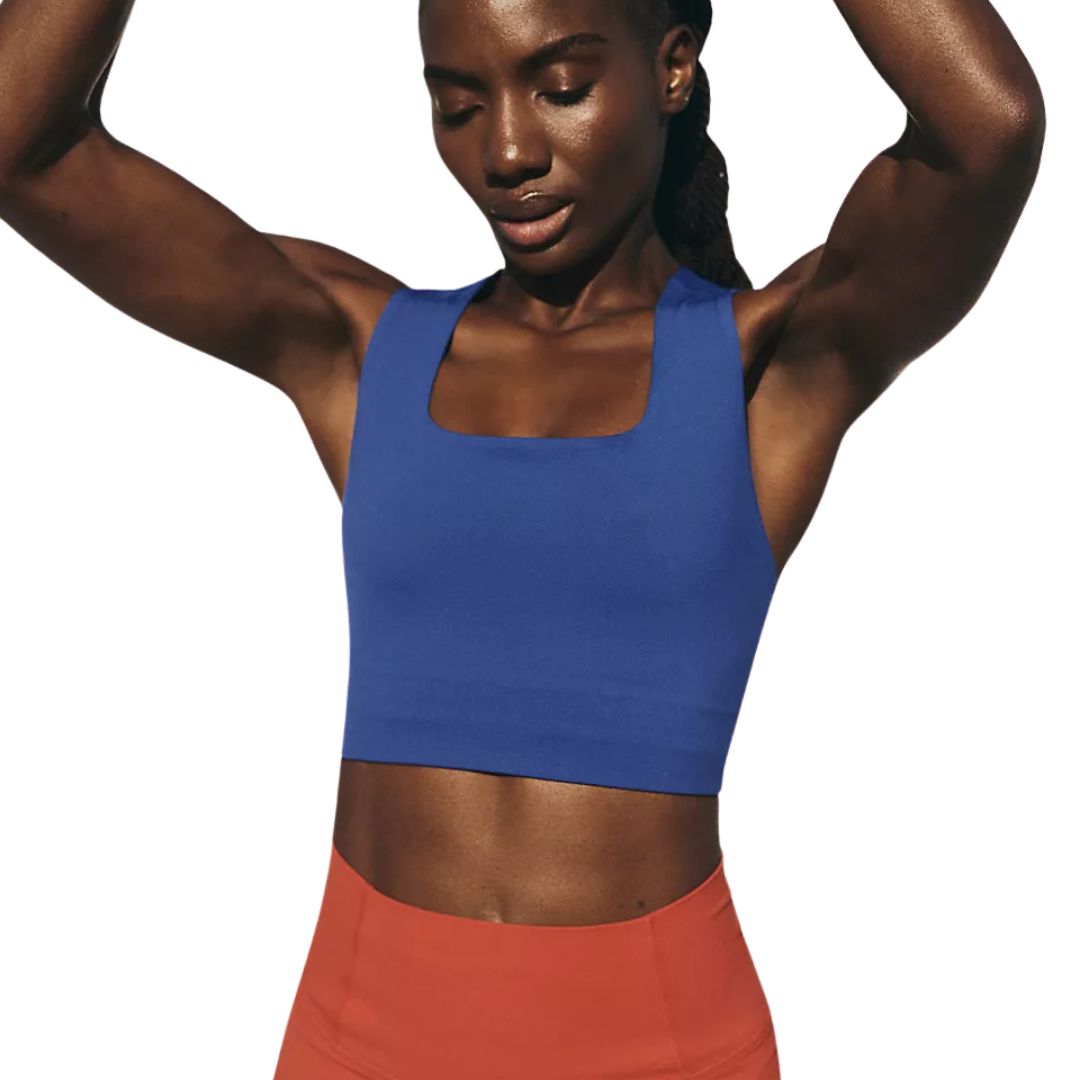
FP Movement Win Win Sports Bra
Didn’t realise Free People did activewear? Me neither, until recently. And I’m so glad they’re on my radar – the Win Win sports bra looks equal parts flattering and supportive.
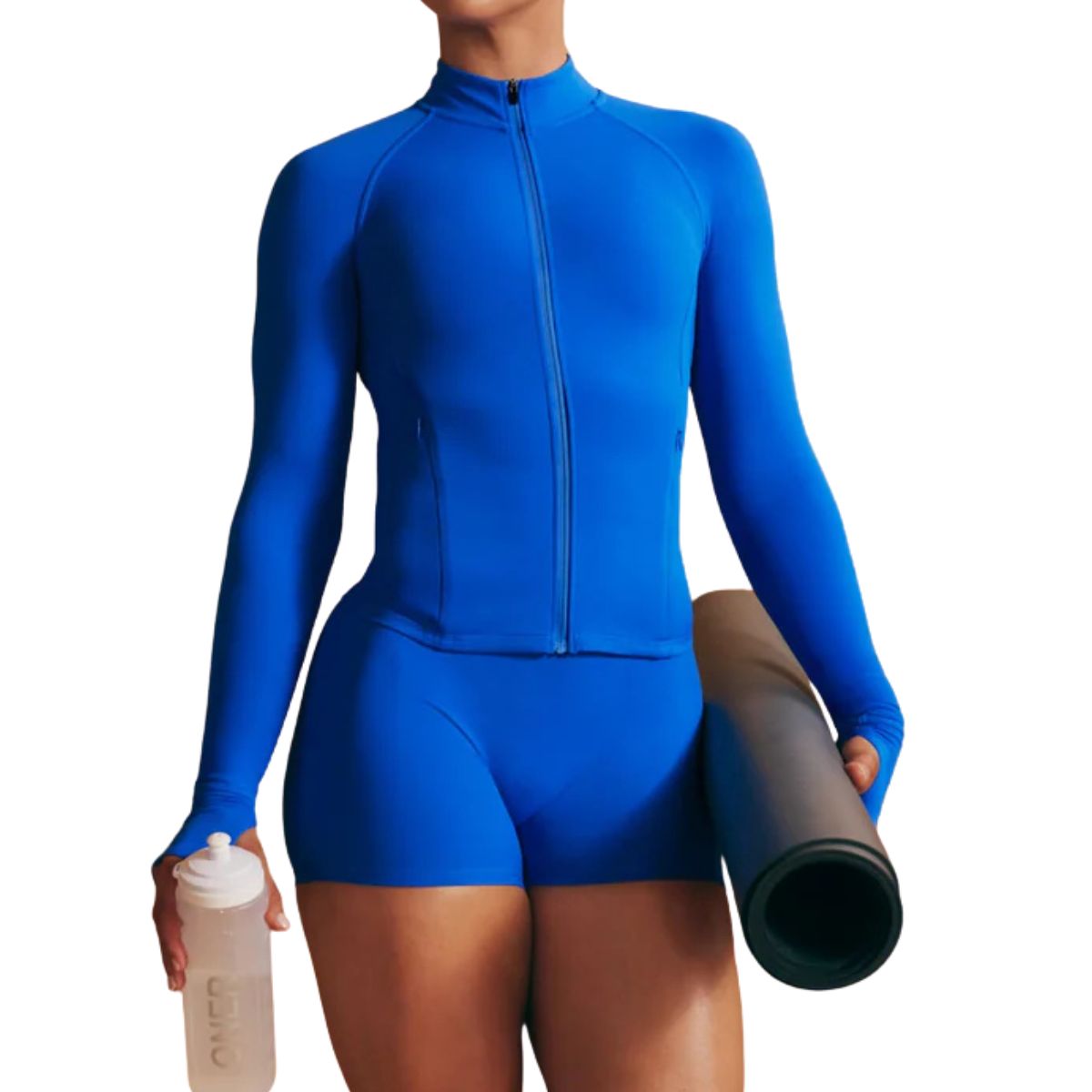
Oner Active Softmotion™ Jacket
I’ve had this for a year now, and it takes the cake when it comes to gym jackets. It’s ultra-flattering, and still comfortable enough to start a workout in, too.
How often should you do frog presses to build deep core strength?
While I wanted to challenge myself by trying frog presses every day for a week, this isn’t necessary to experience results.
“Practising them two to three times a week, with focus and precision, is more than enough to build strength and awareness,” Edwards said when speaking to MC UK. “Even 6-10 slow, well-controlled repetitions can be very powerful.”