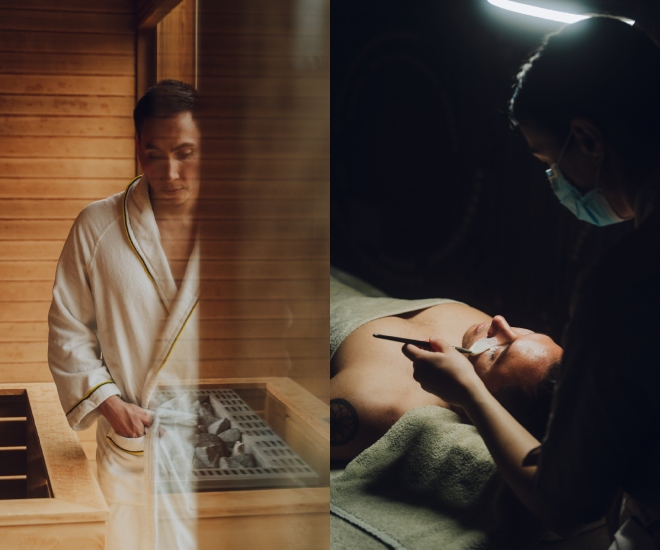
From cryotherapy and IV drips to bespoke peptides and internet-sourced hacks, the elite wellness industry has commodified physical wellbeing into a status marker — one where exclusivity and fad-driven influence can (at times) eclipse scientific legitimacy. LUXUO explores how “body maxxing” trends have created a new hierarchy of optimisation in which privilege and performance are prioritised over evidence-based benefits. Ryan Murphy’s upcoming science fiction body horror television series “The Beauty” further amplifies this cultural anxiety by satirising the commodification of beauty as a social and economic weapon.
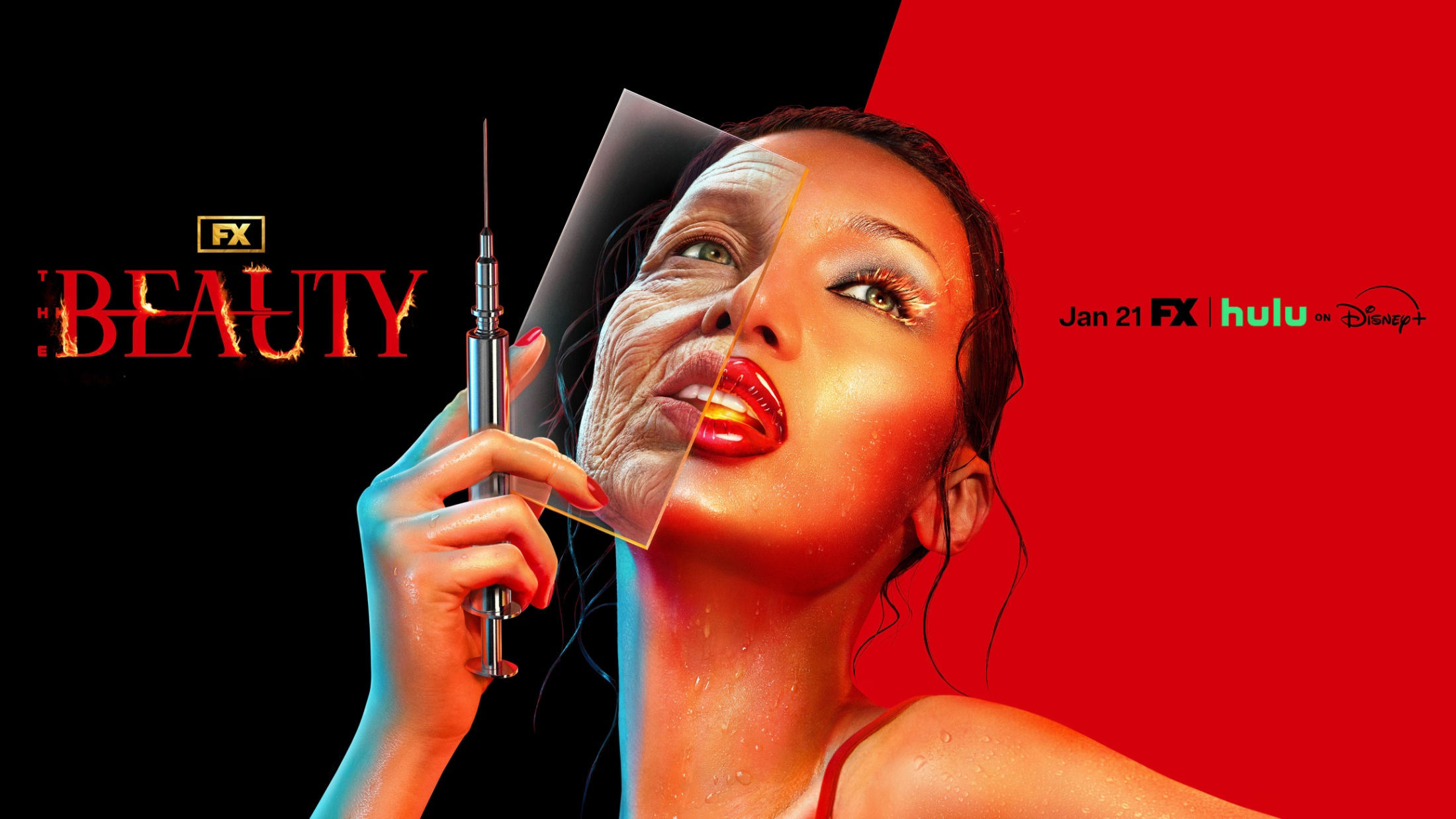
“The Beauty” echoes a heightened version of reality that is already unfolding across luxury wellness spaces. The notion of self-care previously conjured images of warm baths and balanced diets. Today it increasingly means “bio-optimisation”: replacing ritual with tech intervention and curiosity with commerce. From Silicon Valley’s peptide cocktails to Instagram’s coffee enema craze, elite wellness has graduated from soothing to speculative, turning physical wellbeing into a status symbol where wealth buys cutting-edge culture and the average consumer is left with aspirational marketing rather than meaningful results.
At its core, this new “wellness” is less about health in the strict medical sense and more about physical wellbeing as a performative display resulting in a marketable identity that commercialises lifestyle into luxury. This shift reflects a broader cultural recalibration in which social media has pushed physical vitality out of the personal sphere, making it publicly traded as proof of discipline and social leverage.
The Status Economy of Wellness
High-end treatments have become social badges within a booming industry that is now worth trillions. Cryotherapy chambers flanking luxury gyms, personalised IV nutrient drips at resort spas and bespoke supplement regimens are advertised not just as an “essential” component to attaining one’s peak performance and enviable aesthetics. These offerings position physical wellbeing in the same territory as luxury fashion or super yachts where exclusivity is equivalent to desirability.
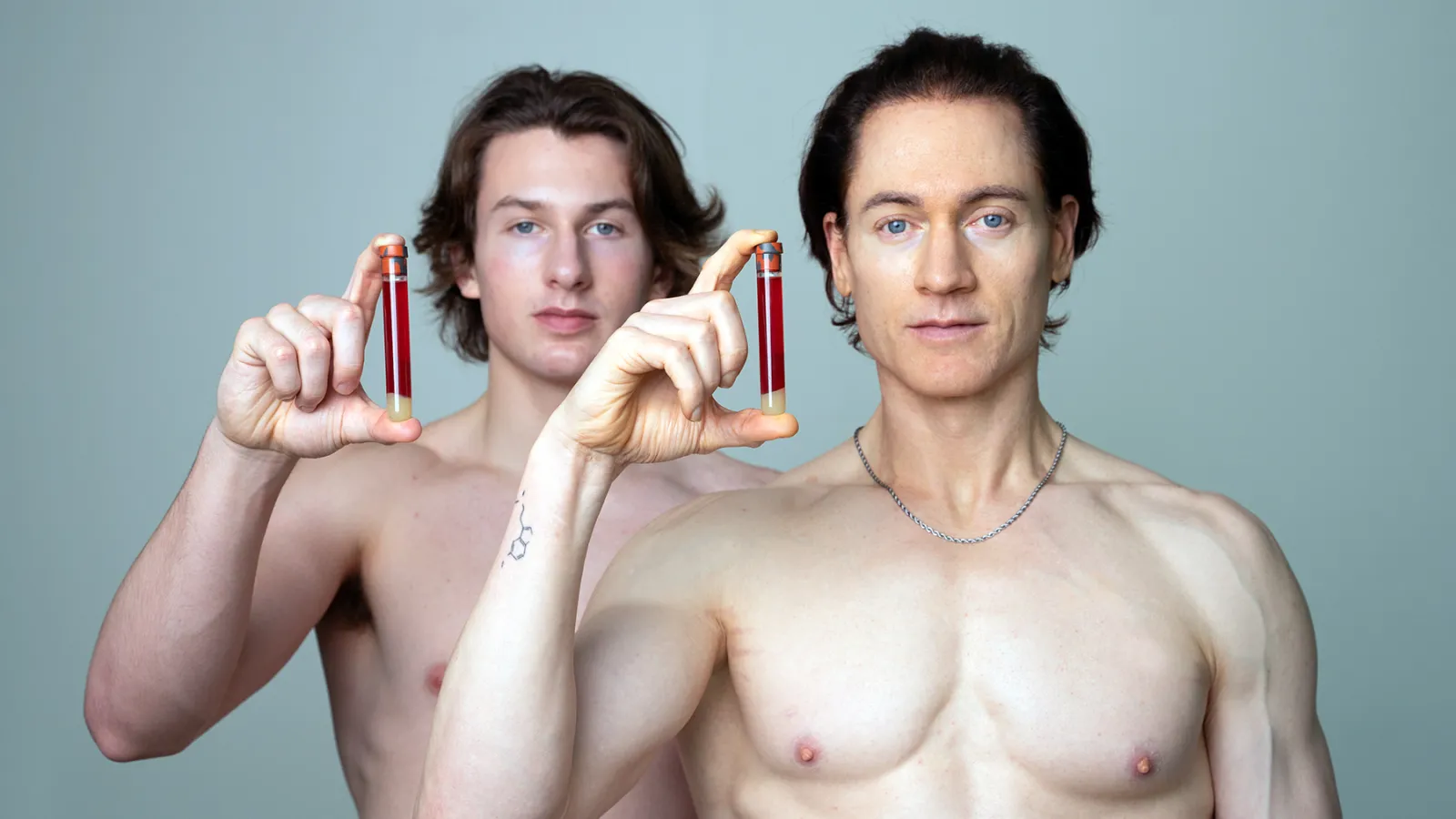
Case in point, 45-year-old tech entrepreneur Bryan Johnson has drawn attention for his extreme anti-aging practices, spending approximately USD 2 million annually on his personal wellness regimen — which includes strict diets, exercise routines, medical monitoring and experimental therapies. Most controversially, Johnson recruited his 17-year-old son and 70-year-old father in a trigenerational blood exchange, in which approximately one litre of blood — about a fifth of his son’s total blood volume — was removed, separated and reinfused into Johnson.
While some rodent studies suggest younger blood may reverse aging effects, there is no clinical evidence that these practices work in humans and experts warn of potential risks such as strong immune reactions. Johnson’s use of plasma from a family member also sidesteps conventional costs for plasma donation, which can run around USD 5,500 per procedure. This high-profile example highlights how ultra-wealthy biohackers are experimenting with unproven interventions as part of a status-driven pursuit of longevity.
Critics argue this mirrors a “wellness divide” akin to socioeconomic divides found in other cultural domains. Access to advanced therapies — from hyperbaric chambers to physician-curated biohacking programs — remains locked behind price points far removed from mainstream access. The result is a two-tiered landscape where well-being is stratified by wealth and cultural capital. This divide is increasingly visible in medical tourism, where affluent patients cross borders to access procedures that provide both clinical intervention with five-star hospitality to deliver a fully packaged, all-in-one healthcare and luxury service.
The Trickle-Down Effect: When Optimisation Goes Mainstream
Yet this hierarchy is not entirely sealed. As elite wellness trends proliferate, they also diffuse. Ice baths once reserved for serious athletes and located at premium gyms now sit in neighbourhood gyms. Wearable health tracking, personalised supplements and cold exposure protocols have entered mainstream routines. Even pharmaceutical-grade ideas — from GLP-1 medications to hormone optimisation — are reshaping everyday conversations around health. For those priced out of luxury clinics, at-home variations and scaled-down adaptations offer accessible entry points into wellness culture. While not without risk, this trickle-down effect has also increased public literacy around recovery and metabolic health, challenging the idea that elite wellness is purely extractive or exclusionary.
Body Maxxing Trends Of 2025
Coffee Enemas
Recently popularised on platforms like TikTok, coffee enemas are touted as detox hacks that purport to cleanse the colon, boost energy or even treat disease. However, medical professionals have strongly disputed these benefits. Experts warn the practice can cause rectal burns, inflammation, infections and electrolyte imbalances and there have even been case reports of severe complications linked to self-administered enemas. There is no scientific evidence supporting these detox claims and the body’s liver and kidneys already eliminate toxins effectively on their own.
Injected Peptide Cocktails
Wellness biohackers have pushed “peptide stacking” — combinations of small proteins injected to supposedly promote muscle growth, anti-aging or enhanced metabolism. However, there are no robust clinical trials validating many of these practices and unregulated injections can introduce infection risks and unpredictable effects on the body’s hormonal balance.
Clinics such as London-based “Injectual” exemplify this emerging grey zone, marketing proprietary “polynucleotide cocktails” that combine peptides, amino acids, hyaluronic acid and DNA-derived compounds under claims of cellular regeneration and skin rejuvenation. While ingredients like hyaluronic acid are well established in aesthetic medicine, others — including polynucleotides often popularised as “salmon DNA” — are still supported largely by early-stage studies, in-vitro data or cosmetic-sector research rather than large-scale, peer-reviewed clinical trials. The language used — “revolutionary,” “only clinic in the world,” “unparalleled results” — reflects how bio-optimisation rhetoric often outpaces scientific consensus, without providing clear efficacy studies and evidence-based dermatology facts but rather delivers speculative enhancement packaged as luxury innovation.
Extreme DIY Interventions
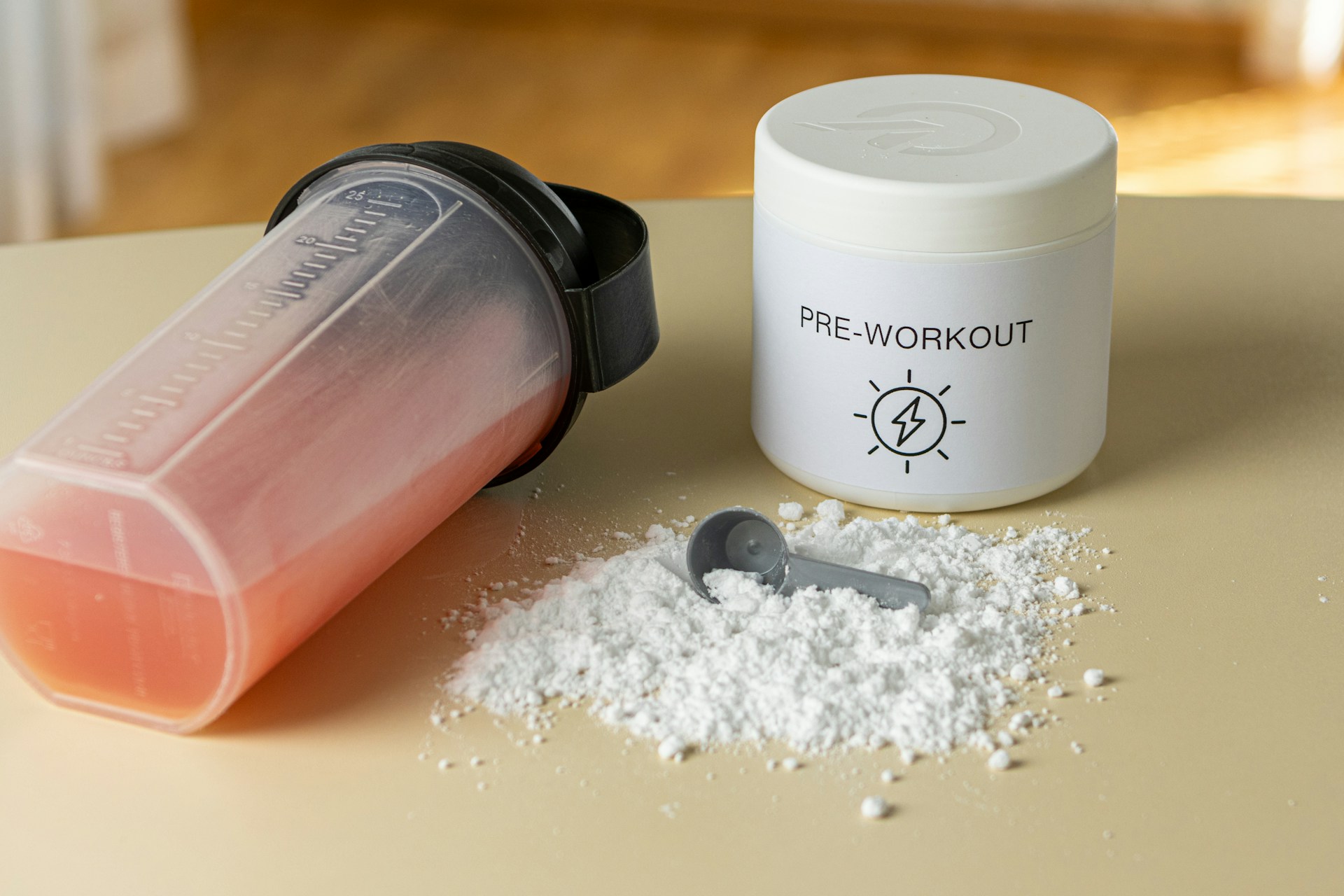
Beyond enemas and injections, other viral trends like “dry scooping” pre-workout powders — swallowing stimulant powders without water — have been linked to irregular heart rhythms and cardiac events as stimulant absorption spikes unnaturally. The practice involves consuming pre-workout powder undiluted rather than mixed with water, despite manufacturer instructions and has gained traction on platforms like TikTok — where researchers found that more than 30 of 100 videos tagged “#preworkout” promoted dry scooping — amassing over eight million likes.
Health experts warn that a single scoop can contain as much caffeine as five cups of coffee, potentially causing elevated blood pressure, heart palpitations, arrhythmias and even cardiac events. Inhaling the powder accidentally can also lead to choking or lung infections. While these supplements are often marketed as performance enhancers — research is limited — with most studies focused on elite athletes rather than casual gym-goers, leaving the wider population at risk of over-consumption.
Social media also amplifies fringe practices like extreme fasting protocols, salt-water flushes and “nasal tanning sprays” with unapproved ingredients that can cause systemic side effects, underscoring how virality can outpace safety. In each case, aesthetic optimisation is prioritised over physiological risk, particularly among younger demographics shaped by algorithm-driven ideals of physical perfection. These interventions frequently circulate outside regulated medical settings, raising concerns around safety, informed consent and the long-term consequences of experimental self-administration.
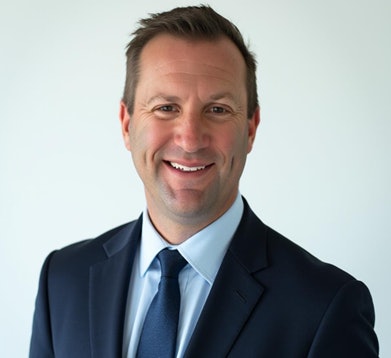
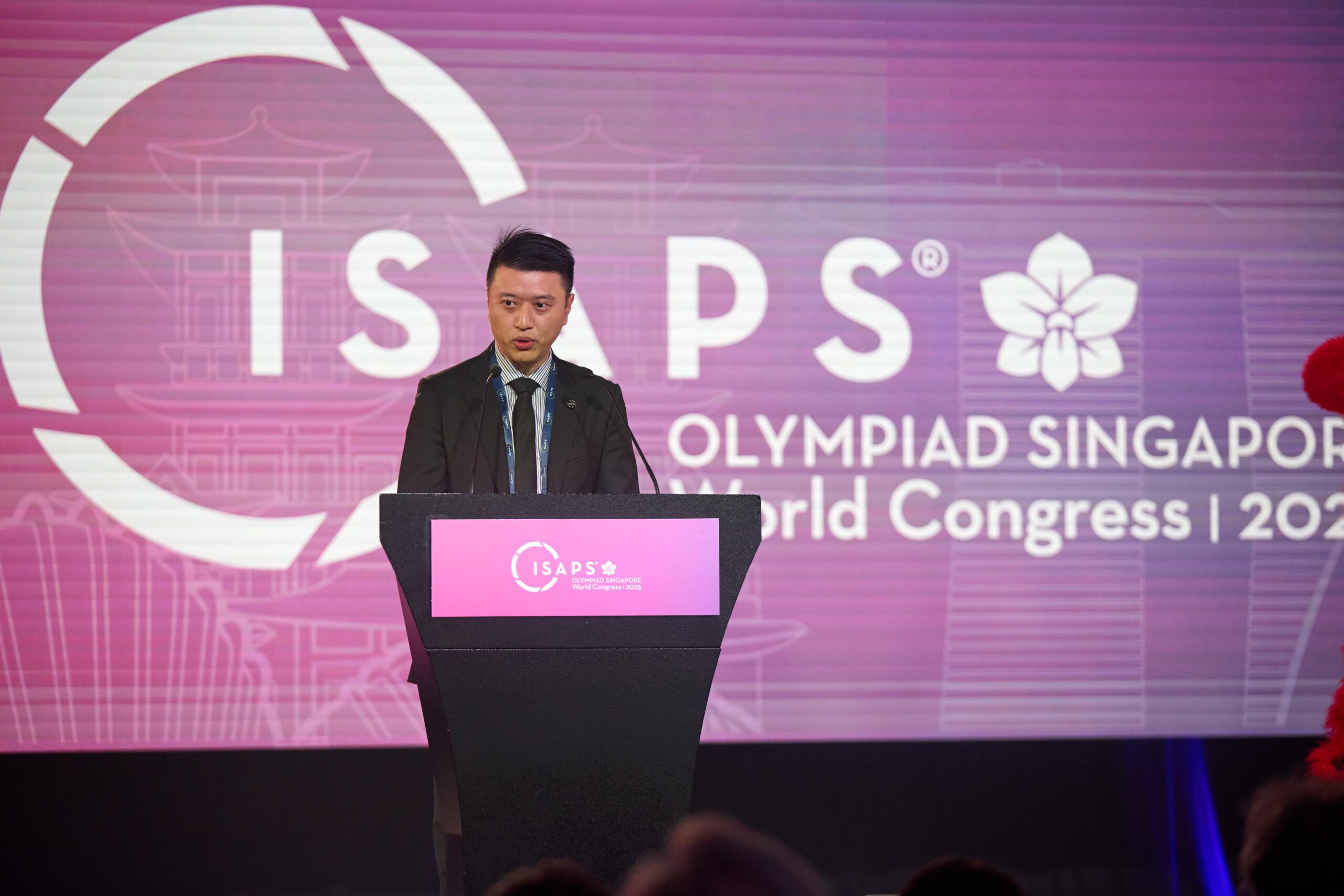 Dr Matthew Yeo, Singapore National Secretary of ISAPS
Aesthetic Procedures: When Wellness Meets Cosmetic Capital
Beyond lifestyle fads, modern wellness bleeds into medical aesthetics, where nearly 38 million cosmetic procedures were performed globally in 2024 — representing a 40 percent increase from 2020 — according to the ISAPS Global Survey 2024. Eyelid surgery — now the most common surgical procedure worldwide — has overtaken liposuction for the first time, signalling a clear shift toward facial enhancement over body modification.
ISAPS reports more than 17.4 million surgical and 20.5 million non-surgical procedures in 2024 alone, underscoring how aesthetic intervention has become a mainstream extension of contemporary wellness culture rather than a fringe indulgence. Non-surgical procedures like botulinum toxin and hyaluronic acid fillers dominate among all age groups — especially in markets like Singapore, where medical tourism for aesthetics also shapes consumer behaviour. Botulinum toxin alone accounted for approximately 7.8 million procedures globally, with peak uptake among those aged 35–50, reflecting how maintenance — rather than transformation — now defines the aesthetic ideal.
Medical Tourism and the Luxury of Transformation
The convergence of wellness, aesthetics and travel is perhaps most visible in destinations such as Türkiye, which ISAPS identifies as one of the countries seeing the highest proportion of foreign aesthetic patients globally. Istanbul, in particular, has emerged as a global hub for hair transplants, offering competitive pricing and an experience calibrated to luxury expectations.
Luxury travel expert Lucas Raven documents how clinics like Now Hair Time in Istanbul operate with concierge-level precision: airport limousines, five-star hotel stays, personalised translators and 24/7 post-operative monitoring via WhatsApp. Hair restoration — once considered purely cosmetic — is reframed as a confidence investment and status upgrade, particularly among male clients from the Middle East, Europe and Asia. This model exemplifies how elective medical procedures are increasingly packaged as seamless lifestyle upgrades, collapsing the boundaries between healthcare, hospitality and self-branding.
Global Impact: Wellness Tourism and the Luxury Experience
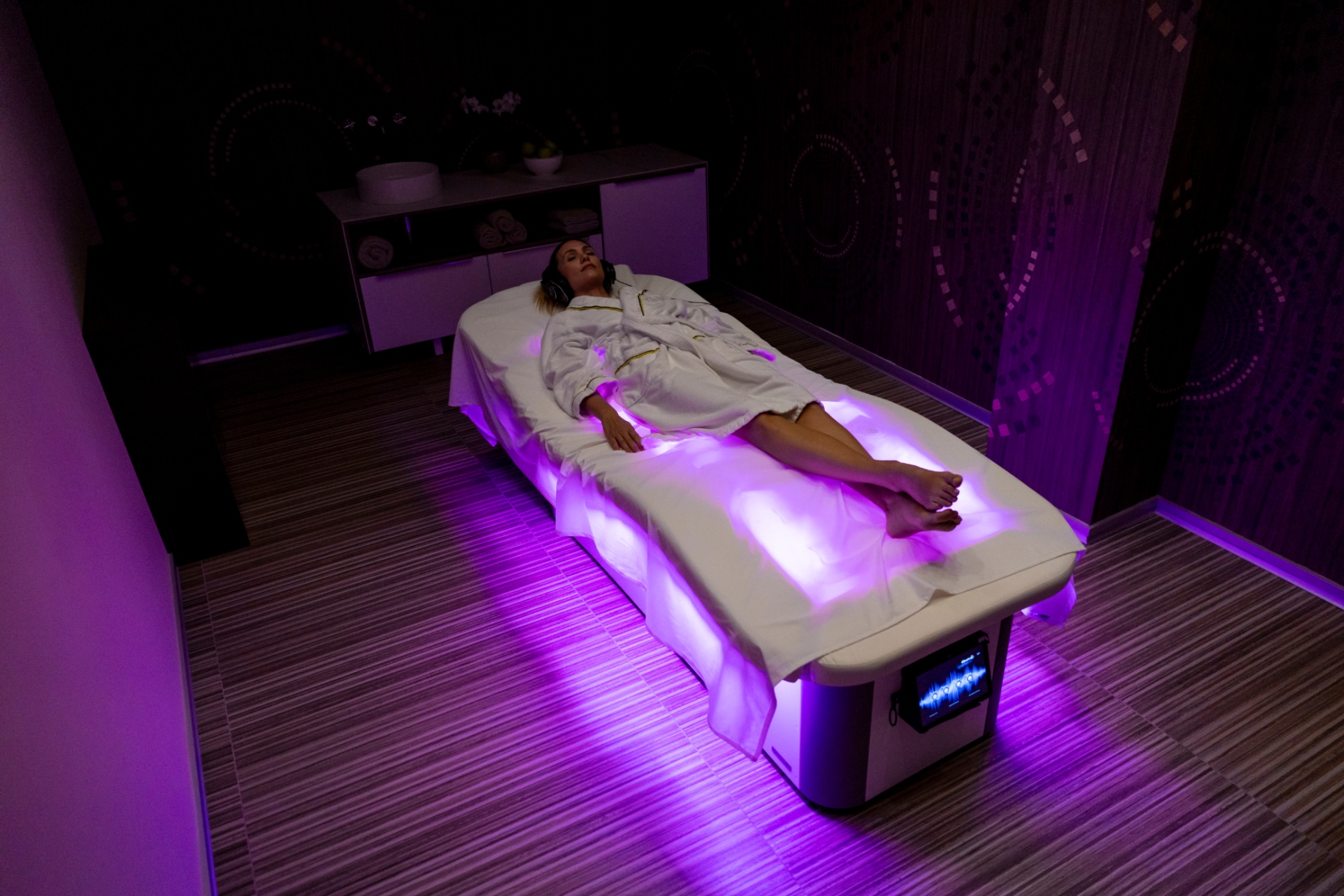
From Icelandic cryotherapy spas to IV drip lounges at resort retreats, elite wellness is now a global luxury tourism category. Concierge wellness experiences combine vacation and transformation, promising renewal — often at a premium. These packages capitalise on the idea that physical wellbeing is something to be acquired rather than nurtured, reinforcing exclusivity in both experience and outcome. ISAPS notes that countries such as the UAE, Colombia and Tunisia now attract high volumes of foreign patients, further demonstrating how physical optimisation has become a transnational luxury pursuit rather than a local healthcare decision.
The elite wellness landscape now walks a fine line between genuine benefit and sensationalised aspiration. While some technologies and therapies — such as evidence-based fitness programmes and qualified medical procedures — can play a positive role in physical wellbeing, the rush toward optimisation often prioritises spectacle and status over safety. In this status economy of wellbeing, luxury is not just what is delivered in high-end clinics or curated retreats: it is what is also what is perceived to elevate one above the baseline of ordinary life.
A Necessary Recalibration
The elite wellness landscape now walks a fine line between genuine benefit and sensationalised aspiration. While some technologies and therapies — such as evidence-based fitness programmes, regulated medical interventions and personalised recovery protocols — can play a positive role in physical wellbeing, the rush toward optimisation too often prioritises spectacle over science.
Still, to dismiss luxury wellness outright would be to ignore its capacity for innovation. When approached responsibly, the sector can function as a testing ground — refining tools, techniques and conversations that eventually filter into broader public health awareness. In this sense, elite wellness does not only commodify wellbeing but further broadcasts its potential.
In this status economy of wellbeing, luxury is not just what is delivered in high-end clinics or curated retreats — it is what is perceived to elevate one above the baseline of ordinary life. The challenge ahead is ensuring that optimisation enhances health rather than hollowing it into performance. The rise of evidence-based practices, personalised AI-driven fitness and curated wellness tourism shows the sector’s potential to genuinely enhance physical wellbeing. From regenerative therapies and mindful recovery programmes to immersive spa retreats and concierge-level interventions, luxury wellness can promote intentional self-care and lifestyle enrichment — proving that optimisation, when approached responsibly, can be both aspirational and beneficial.
For more on the latest in wellness and beauty reads, click here.