Moringa has been gracing plates on the other side of the world for millennia. And as global interest in nutrition grows, so too does this versatile plant’s popularity.
Advertisement
Cleveland Clinic is a non-profit academic medical center. Advertising on our site helps support our mission. We do not endorse non-Cleveland Clinic products or services. Policy
Registered dietitian Julia Zumpano, RD, LD, says that’s good news.
Zumpano explains why the so-called “miracle tree” has earned its place in kitchens worldwide.
What is moringa?
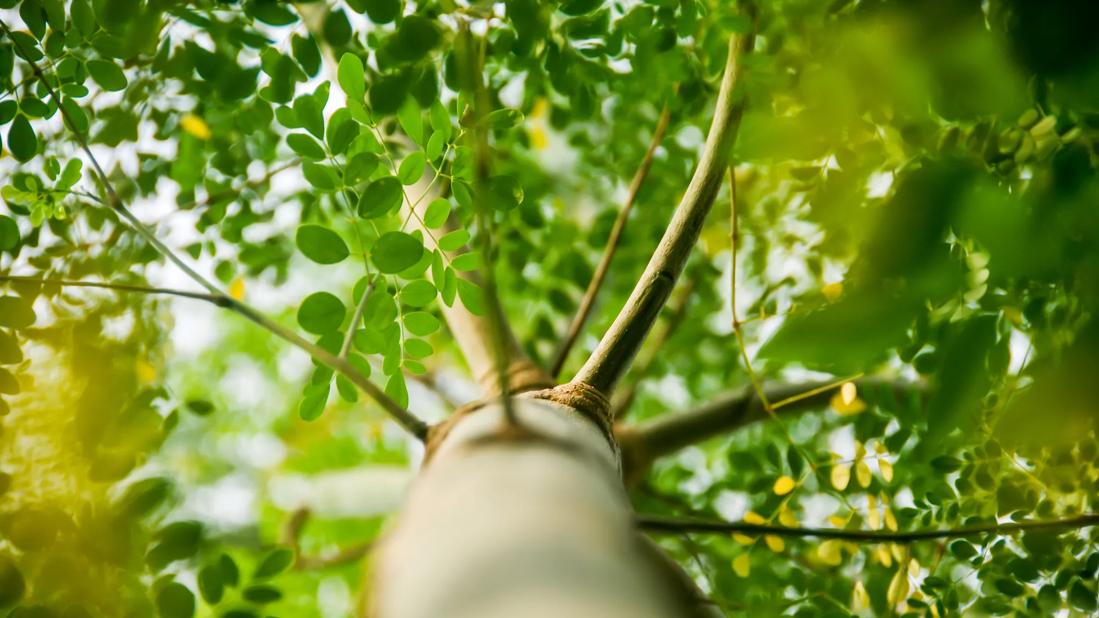
The moringa oleifera tree is native to South and Southeast Asia, where both its leaves and long pods — often called “drumsticks” — are used in food and traditional medicine. Even the seeds are sometimes used as a spice or seasoning agent.
Fresh, dried and powdered moringa leaves make their way into a wide variety of foods. They have a bitter, peppery taste that’s a bit sharper than arugula. In powder form, it’s a bit grassier, like matcha.
The actual drumstick has a tough fibrous exterior that’s usually removed to get to the tasty vegetable inside. The flavor and texture depend on how it’s cooked. Sometimes, it takes on the texture of asparagus or green beans, but the pulp can be softer, even mushy, as an ingredient in curries and stews.
Nutrients in moringa
Both moringa leaves and moringa pods pack a nutritional wallop. Let’s start with the leaves, which Zumpano says have a nutritional profile that’s similar to another superfood.
“Moringa leaves are a nutrient-dense whole food that falls into that phenomenal leafy green category, like spinach,” she shares. According to the U.S. Department of Agriculture (USDA), one cup of chopped moringa leaves contains about:
13 calories0.3 grams of fat2 grams of protein2 grams of carbohydrates0.5 grams of fiber
That cup of moringa greens also nets you a whole bunch of essential nutrients, including about:
39 milligrams of calcium9 milligrams of magnesium71 milligrams of potassium79 micrograms of vitamin A11 milligrams of vitamin C1 milligram of iron
Moringa pods — the drumstick-like vegetables that earn the tree its delightful nickname — are equally impressive. The USDA says that 100 grams of boiled drumstick pods with salt boast approximately:
36 calories0.2 grams of fat2.1 grams of protein8.2 grams of carbohydrates4.2 grams of fiber
But wait, there’s more! Those cylindrical veggies are also good for:
20 milligrams of calcium42 milligrams of magnesium457 milligrams of potassium4 micrograms of vitamin A97 milligrams of vitamin C0.5 milligrams of ironWhy it’s good for you
Some of the health claims around moringa (especially the claims made by supplement manufacturers) don’t have a lot of evidence to support them. Much more (and better quality) research is needed before healthcare providers can say that moringa prevents or treats illness of any kind.
The good news? There’s still plenty to say about the health benefits of moringa as a food, based purely on its nutritional information. Zumpano mentions four benefits in particular that you can take to the bank.
1. Rich in antioxidants
Add moringa to the long list of fruits and veggies that offer a heaping helping of antioxidants. That’s important because antioxidants protect cells throughout your body from damage (oxidative stress) caused by free radicals.
“Oxidative stress drives inflammation,” Zumpano explains. “And inflammation is a key factor in the development of many chronic illnesses.” Examples include:
DiabetesDementiaCoronary artery diseaseCancer
To be clear, oxidative stress isn’t something you can avoid. And moringa doesn’t prevent or cure these (or any other) illnesses. But a balanced diet that’s rich in antioxidants will support your body’s natural defenses and promote overall good health.
2. Supports healthy bones
Moringa is packed with essential nutrients that work together to promote bone health, like:
CalciumMagnesiumPhosphorousVitamin K
“Those nutrients, combined with the antioxidants you get in moringa, can help you maintain strong, resilient bones and help prevent bone-related issues like osteoporosis as you get older,” Zumpano adds.
3. Promotes healthy eyesight
Moringa is packed with vitamin A, which Zumpano says is a key nutrient for maintaining healthy vision. The bevy of antioxidants in moringa do their part, too, reducing oxidative stress that, over time, can cause age-related eye conditions like macular degeneration.
4. Helps with weight management
Because they’re rich in fiber and protein but low in calories, including moringa leaves and pods in a meal is a great way to fill up faster and stay full longer.
“Moringa and foods like it are powerful allies for weight loss and weight management,” Zumpano reports. “Incorporating nutrient-dense greens into your eating plan can help boost metabolism, reduce cravings and help keep your energy levels in balance throughout the day.”
How much to eat
Like every other leafy green superfood, moringa is most likely to boost your overall health if you’re eating it consistently.
“If you eat moringa once a year, you’ll still get those essential nutrients, but only that one time,” Zumpano clarifies. “Eating it every day — or as a regular part of a balanced diet — is the way to really reap the benefits.”
That doesn’t mean downing cup after cup of drumstick leaves and pods, of course. Instead, use it like you use other leafy greens. Add it to your salads, curries, stir-fries and smoothies.
Moringa risks and side effects
There aren’t many risks or side effects associated with eating moringa leaves or pods in food doses. But stick to those parts of the plant. The roots, bark and flowers are not safe to eat.
Like other fiber-rich leafy greens and veggies, overindulging in moringa leaves or pods could lead to stomach cramps, diarrhea, gas or nausea. Otherwise, it’s generally considered safe to eat. Still, it’s best to check with your Ob/Gyn before consuming moringa if you’re pregnant or breastfeeding, just to be safe.
Also, talk to your provider before making moringa a major staple of your diet if you take:
Blood thinnersMedications to lower your blood pressure (antihypertensives)Statins to reduce cholesterolDiabetes medicationsThyroid medicationsDrugs that are processed in your liver, including certain sedatives and antiretroviralsWhere to get moringa
If you’re living in the U.S., you’re unlikely to find moringa in the chain grocery store down the street. You’ll have better luck finding it at your local Asian or South Asian market.
Once you get your hands on it, you’ll find it’s a great way to add depth of flavor and novelty to your old standards. It’s also a great excuse to step outside of your culinary comfort zone and try something new!