Synopsis: The U.S. Air Force has rescinded its mandate requiring airmen to complete a two-mile run annually, instead allowing them to choose between the run and the 20-meter High Aerobic Multi-shuttle Run (HAMR) for their bi-annual fitness tests.
-While the Space Force will maintain the mandatory run for Guardians, the Air Force’s new policy begins with a diagnostic period from March 1 to June 30, followed by official scoring on July 1.
-This shift, which also includes options for hand-release push-ups and planks, comes amid a broader Pentagon push by Defense Secretary Pete Hegseth to enforce gender-neutral standards and include fitness scores in performance evaluations.
Air Force Drops Mandatory 2-Mile Run: New Fitness Test Rules Offer HAMR Shuttle Option Instead (
The U.S. Air Force has dropped the mandatory two-mile run from its physical fitness assessment, marking a significant recalibration of how the service measures readiness while insisting that overall standards remain intact.
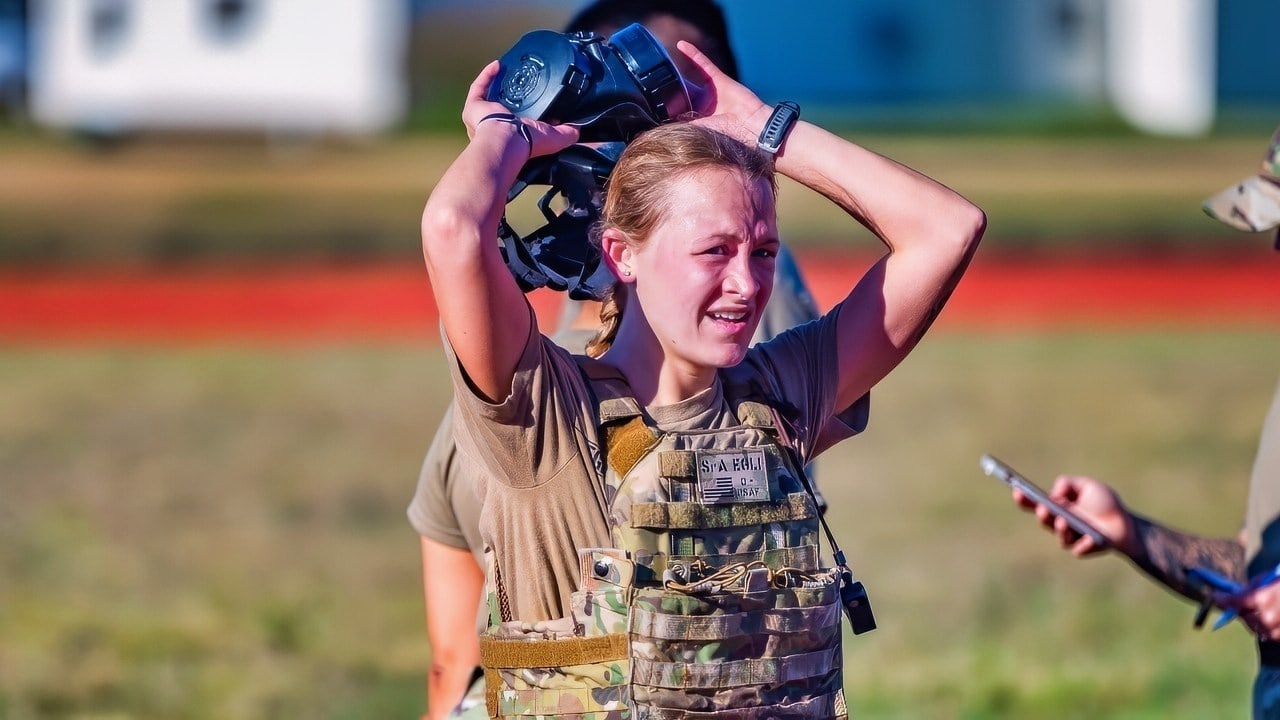
Guidance, announced last week revealed that airmen would henceforth be able to choose between the traditional two-mile run and a 20-meter high aerobic multi-shuttle run (HAMR) to fulfil their bi-annual fitness tests.
This marks a walkback of the policy issued last September requiring airmen to complete the two-mile run annually.
Fitness testing remains paused until the end of February to allow units time to adjust.
Between March 1 and June 30, tests will be diagnostic only.
This means scores can be accepted or scrapped by the individual airman at their discretion.
Official scoring under the new rules will start on July 1, sooner than previously planned.
The shift preserves the Air Force’s move to biannual testing.
This will remove a policy in place since 2010 that allowed high scorers to test just once per year.
Fitness results will also begin appearing in annual performance briefs, starting with colonels in February and expanding to other senior officers and enlisted leaders by May, according to Air Force statements.
The changes apply only to the U.S. Air Force.
The U.S. Space Force, which shares many administrative systems with the Air Force under the Department of the Air Force, has opted to keep the two-mile run as a required annual component.
Guardians participating in the Space Force’s Continuous Fitness Assessment pilot must still complete the run at least once per year, even as they track fitness through wearable devices such as smartwatches.
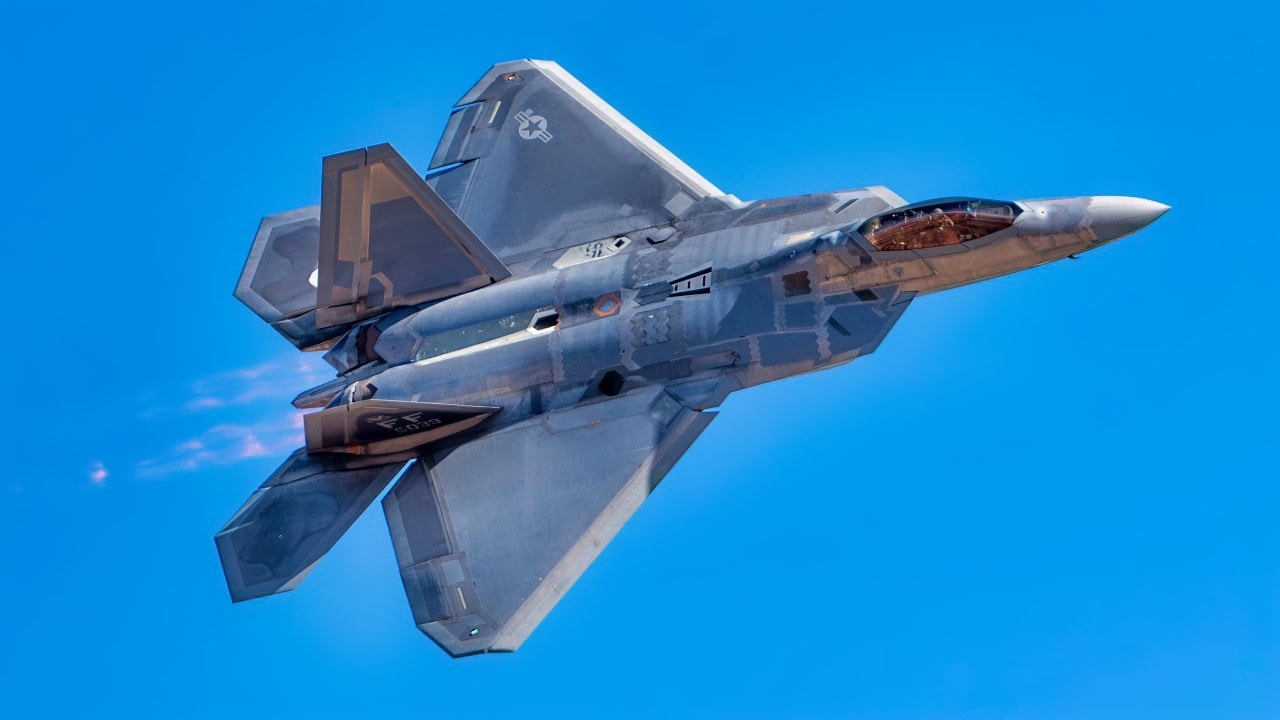
A U.S. Air Force F-22 Raptor performs an aerial demonstration at Davis-Mothan Air Force Base, Ariz. for the 2025 Heritage Flight Training and Certification Course, March 1, 2025. The Heritage Flight Training and Certification Course is an annual event where military and civilian pilots train together to fly in formations to showcase both modern and vintage military aircraft. These flights are often performed at airshows across the country to honor U.S. military aviation history and service members. (U.S. Air Force photo by Staff Sgt. Lauren Cobin).
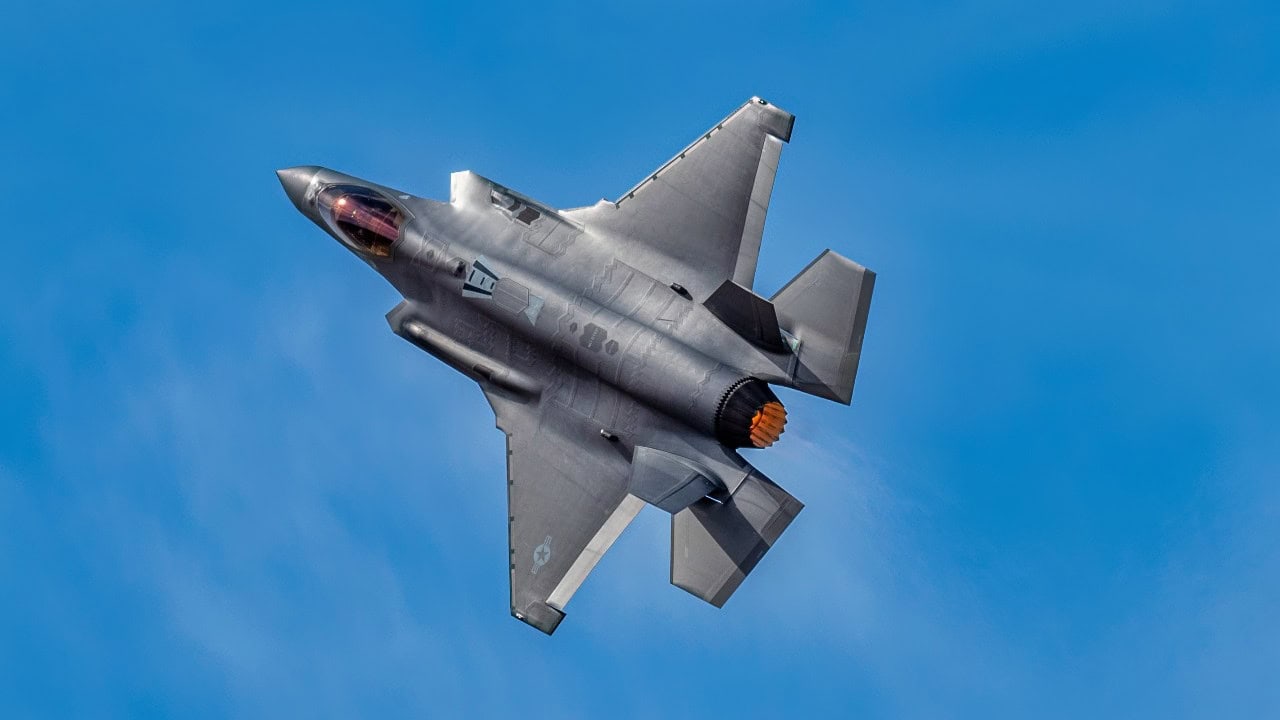
A U.S. Air Force F-35A Lightning II aircraft flies during the Heritage Flight Training Course at Davis-Monthan Air Force Base, Arizona, Feb. 28, 2025. The F-35 is designed to provide the pilot with unsurpassed situational awareness, positive target identification and precision strike in all weather conditions. (U.S. Air Force photo by Senior Airman Jasmyne Bridgers-Matos)
Beyond cardio, the revised Air Force test expands choice across all parts of the fitness tests. Airmen will be allowed to opt for regular push-ups or hand-release push-ups for strength.
They may also select sit-ups, cross-leg reverse crunches, or a forearm plank to demonstrate their core endurance.
Waist-to-height ratios will be used to assess body composition, although this need not be done on the day of the assessment.
Air Force Chief of Staff Gen. Ken Wilsbach claimed that the updated rules were about encouraging daily fitness regimes rather than encouraging airmen to prepare for less regular tests at the last minute.
These shake-ups come amidst a wider programme of change at the Pentagon, after Defense Secretary Pete Hegseth pushed for a review of readiness standards.
He is also in favor of gender-neutral fitness standards across the force, which could well lead to many female service personnel losing their current roles.
About the Author: Georgia Gilholy
Georgia Gilholy is a journalist based in the United Kingdom who has been published in Newsweek, The Times of Israel, and the Spectator. Gilholy writes about international politics, culture, and education. You can follow her on X:@llggeorgia.