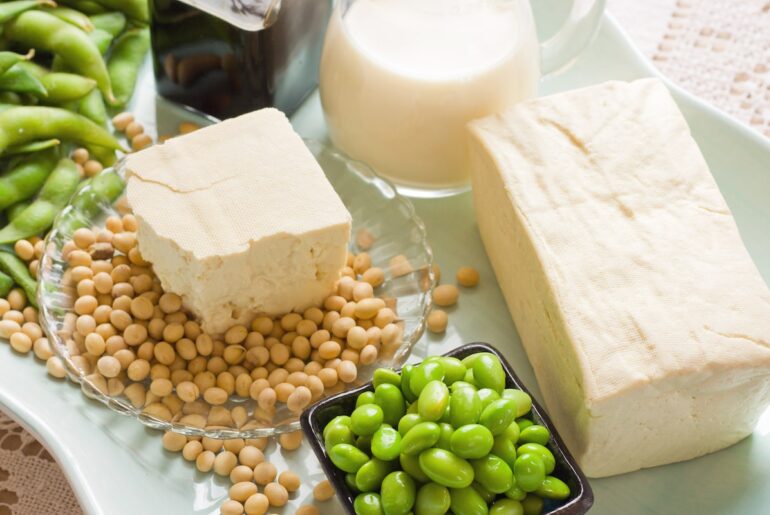
 School meals have a surprising power to help both children and the environment. Image in public domain.
When we think of climate action, we usually picture electric vehicles or solar panels. However, a potent solution is sitting on our plates. A third of our emissions come from what we eat, and some foods are way worse than others.
The problem, as any policymaker knows, is that changing adult eating habits is notoriously difficult. But what if we started with children?
A recent global modelling study suggests that universal school meal programs, if designed correctly, could become a massive lever for environmental sustainability. Basically, this would allow us to alleviate poverty, make kids healthier, and help the environment in the process.
Food for Children
By 2030, the “School Meals Coalition” aims to provide a healthy meal for every child in school. It’s a lofty goal, and every bit of progress can make a big difference. While the primary goals are alleviating hunger and improving health, the new study looked at the environmental implications of this program. Expanding school meals is a social safety net, but it can be even more.
Currently, only one in five children globally receives a school meal. Extending this coverage to all children by 2030 would triple the amount of food-related environmental impacts that can be directly managed through public policy. Because school food procurement is centralized, governments have a unique opportunity to change what is consumed on a massive scale.
If schools continue serving the “average” diet currently consumed in their respective countries, expanding the program would drastically increase environmental pressure. We’re not eating sustainably (nor healthy) as it is. Pushing this on our children will make things even worse. However, even slight changes to the menu can make a big difference.
The study analyzed three “healthy and sustainable” dietary patterns: flexitarian (low animal-source foods), vegetarian, and vegan. The results were:
Flexitarian Diets: Adopting a nutritionally balanced diet with low-to-moderate amounts of animal products can reduce environmental impacts by 26%.
Vegetarian Diets: Eliminating meat while retaining dairy pushes that reduction to 43%.
Vegan Diets: A fully plant-based menu offers the highest potential, reducing environmental impacts by 52%.
These changes are reflected in land use, greenhouse gas emissions, eutrophication (water pollution), and freshwater use.
×
Thank you! One more thing…
Please check your inbox and confirm your subscription.
Can It Work?
There’s a big cultural impact. Some regions, like India, for instance, may be more willing to accept vegetarian or even vegan diets. Other places may be more reluctant, which is where the flexitarian diet comes in. Furthermore, this offers a great degree of freedom for considering the availability of different food types.
Beyond the food itself, the efficiency of the kitchen plays a critical role. Food waste is a major contributor to the environmental footprint of agriculture. The study estimates that halving food waste within school meal programs could reduce environmental impacts by approximately 14%.
When waste reduction is combined with dietary shifts, the results are staggering. For example, combining a flexitarian menu with halved food waste could reduce environmental impacts by over 60% in countries like Mongolia and Zimbabwe.
Critics often cite the cost of healthier, sustainable food as a barrier. However, the study found that sustainable meals can be economically viable. In high-income and upper-middle-income countries, meals conforming to healthy and sustainable guidelines were actually 7% to 23% more affordable than the current average diets when combined with waste reduction.
Furthermore, “full cost accounting” — which includes the external costs of climate change — strengthens the argument. By reducing greenhouse gas emissions, sustainable school meals could save society between $18 billion and $70 billion in climate damage costs annually.
The study was published in Lancer Planet Health.