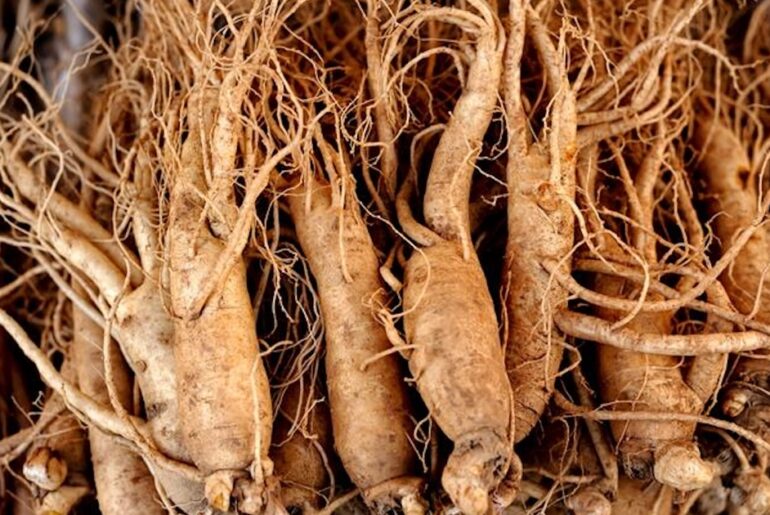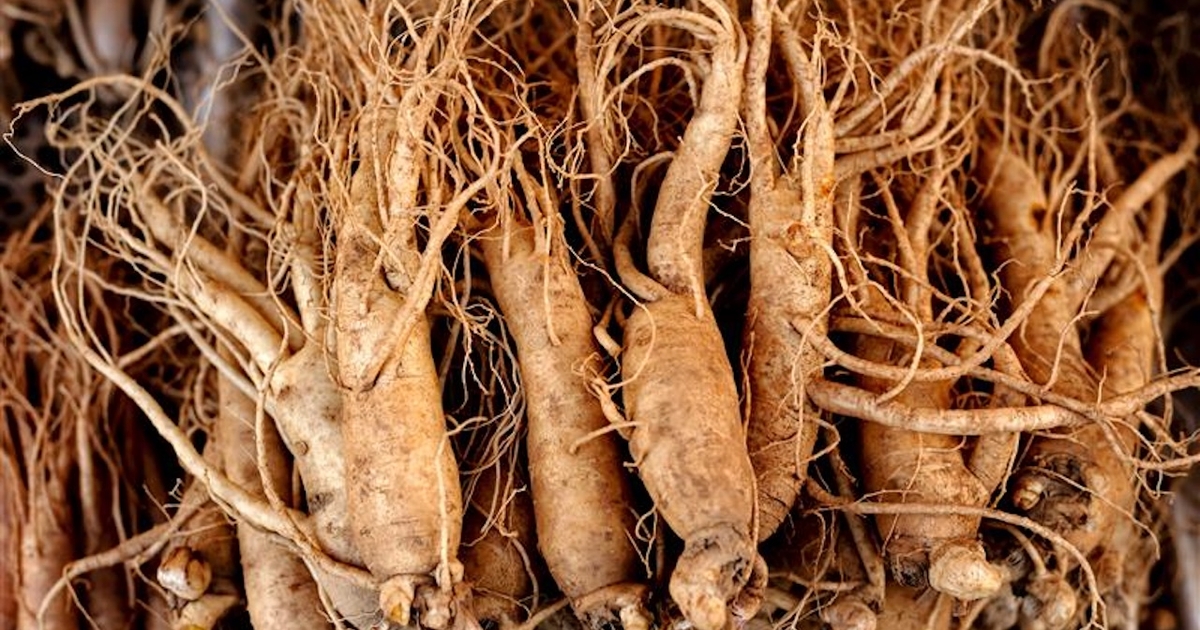
Ginseng adulteration remains prevalent, according to a new publication by the Botanical Adulterants Prevention Program (BAPP). The paper is a review of 48 studies that have looked at the issue in the past five years.
The new paper was written by Nilüfer Orhan, Stefan Gafner and Mark Blumenthal. BAPP is a cooperative venture between the American Herbal Pharmacopoeia, the National Center for Natural Products Research and the American Botanical Council, which is the managing partner.
The paper, which was published in the most recent edition of the peer-reviewed journal Natural Products Communications, included 48 studies on ginseng authentication that were published in recent decades
Ginseng refers to any of several species used in herbal medicine traditions in Asia and North America, including Panax ginseng (Asian ginseng), Panax quinquefolius (American ginseng), which is native to Canada and the eastern United States, and Panax notoginseng (tienchi ginseng) which is native to Vietnam.
The results illustrated the fact that adulteration continues to be a concern within the natural products industry and within the ginseng sector specifically. In the papers the authors reviewed, 911 commercial products were analyzed.
Forty of the papers found authenticity problems in 211 of 853 products, a rate of 24.7%. This was mainly due to the substitution of authentic ginseng species with material from lower cost sources. Common examples include Siberian ginseng (Eleutherococcus senticosus, Araliaceae), Indian ginseng (Withania somnifera, Solanaceae), and Brazilian ginseng (Pfaffia glomerata and P. paniculata, Amaranthaceae).
In the eight papers that looked at drug contamination, sildenafil and tadalafil were the main adulterants, which makes sense as ginseng appears in some sexual health formulations. It is also used as an energy and focus ingredient, which might be why ephedrine also was found as a contaminant.
The authors segmented the reported adulteration into five-year periods, starting in the year 2000. The rates of reported adulteration varied, with no clear trend, with the overall average coming in at about 25%.
According to co-author Gafner, that’s an indication that cheating on contracts is, sadly, a common human activity.
“Sometimes the adulteration issue reminds me of a presentation I saw recently on rhinos. We have learned so much about how to protect rhinos and what needs to be done, but rhinos are still endangered,” Gafner told SupplySide Supplement Journal.
“Similarly, we have learned so much about adulteration and how to address the issue — but it remains a problem,” he said.
The authors found that pairing chemical methods of analysis with genetic assays seemed to be more successful in identifying adulteration than either method applied in isolation. Also, the authors concluded that ginseng products marketed as dietary supplements seemed to be more susceptible to adulteration compared with powdered roots sold as herbal remedies or marketed as teas.
“Strategies to minimize adulteration include rigorous authentication, good manufacturing practices, enhanced regulatory monitoring, and greater transparency in labeling and sourcing. Education of manufacturers, distributors, health professionals and consumers about common adulterants and reliable sourcing practices can further reduce risks,” the authors concluded.
BAPP announced that the review paper would be followed by a bulletin on ginseng adulteration, which will be the program’s 32nd plant-specific bulletin. Such bulletins go into detail on modes of adulteration and methods to detect them.