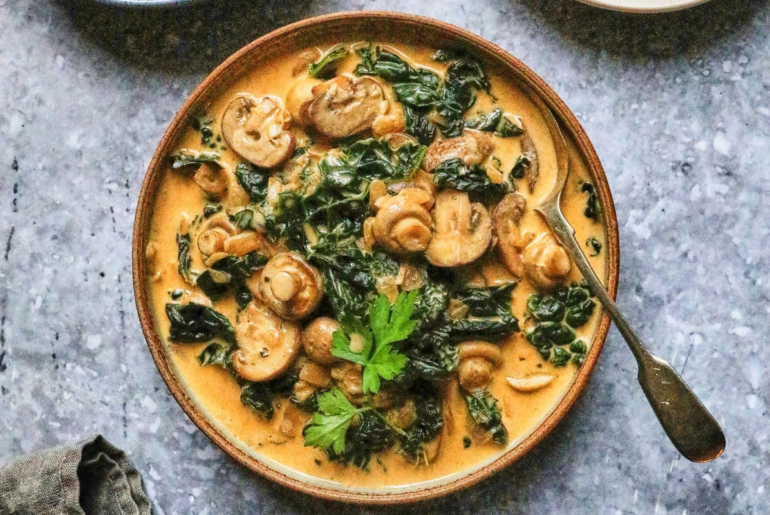
Spices have always been at the heart of Indian cooking, adding depth, aroma, and warmth to everyday meals. Beyond enhancing taste, many spices are known for their powerful health benefits, from aiding digestion and boosting immunity to supporting overall wellness. When used mindfully, these kitchen staples can play a key role in maintaining a balanced and nourishing diet.
 Chef Sanjeev Kapoor highlights the healing powers of everyday Indian spices.
Weighing in on the benefits of everyday spices and how to use them smartly, celebrity chef Sanjeev Kapoor shares in his January 9 blog which spices deserve a regular spot in your meals and easy ways to incorporate them into your daily diet. (Also read: Chef Kunal Kapur shares ‘easy hack’ to cut complex vegetables like jackfruit, coconut, broccoli and cabbage )
Turmeric
“Turmeric, or haldi, is revered across India as the golden healer and is valued for its powerful anti-inflammatory and antioxidant properties,” says chef Sanjeev Kapoor. “Its active compound, curcumin, supports immunity, joint health, and overall vitality.”
Traditionally used in home remedies for wounds, colds, and digestive issues, turmeric remains a cornerstone of Indian households. “One of the most iconic ways to consume it is haldi doodh or turmeric milk, which soothes the body and strengthens resistance against seasonal illnesses,” he adds. Beyond beverages, turmeric enhances curries, rice, and lentils, adding both flavour and healing energy.
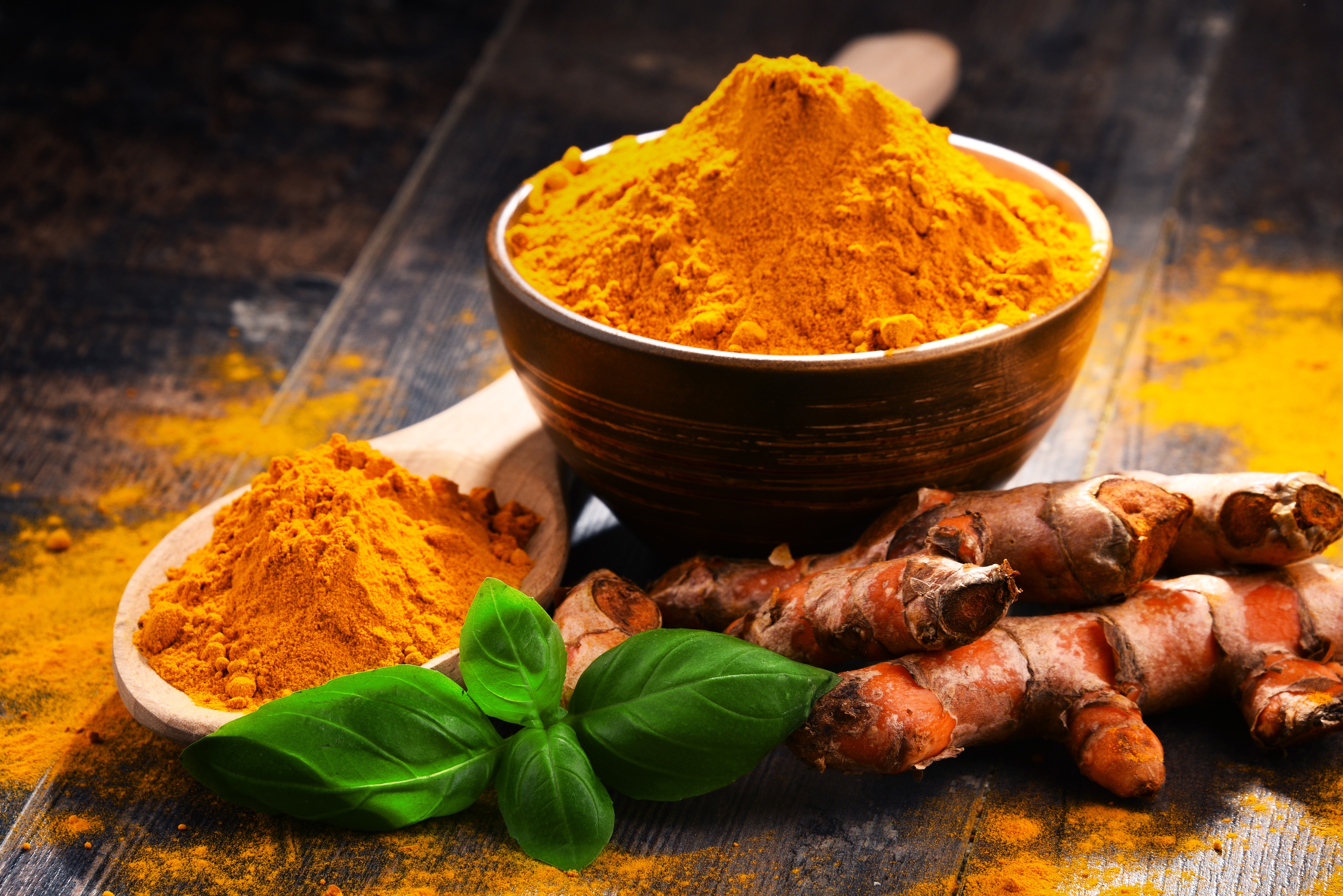 Turmeric, or haldi, is a powerful healing spice known for its anti-inflammatory properties. (Adobe Stock) Cumin, fennel, and cardamom
“Cumin (jeera), fennel (saunf), and cardamom (elaichi) are natural digestive guardians found in almost every Indian kitchen,” shares Sanjeev. “Cumin helps stimulate metabolism, fennel cools the body and freshens breath, while cardamom detoxifies and calms the mind.”
Together, these spices ensure meals remain flavourful yet gentle on the stomach. Commonly used in teas, spice blends, and post-meal mouth fresheners, they make digestion effortless. “A refreshing saunf sharbat is a great example, it soothes the gut and keeps the body hydrated, especially during summers,” he notes.
Ginger, black pepper, and cloves
“Ginger (adrak), black pepper (kali mirch), and cloves (laung) are especially important during seasonal changes,” says Sanjeev Kapoor. “They warm the body, improve circulation, and strengthen immunity.”
Ginger eases nausea and boosts circulation, black pepper improves nutrient absorption, and cloves offer antimicrobial benefits while soothing toothaches. “Their synergy truly shines in masala chai, where these spices come together to create a comforting and healing drink,” he adds.
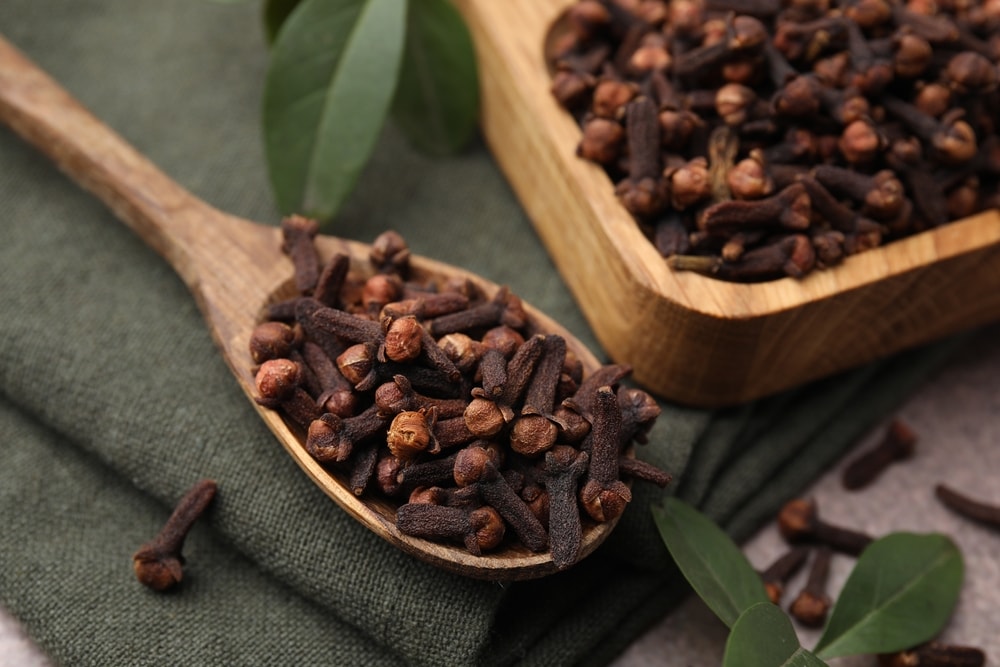 Clove is a warming spice valued for its antimicrobial properties. (Shutterstock) Cinnamon and nutmeg
“Cinnamon (dalchini) and nutmeg (jaiphal) bring warmth, comfort, and gentle healing,” Sanjeev explains. “Cinnamon helps regulate blood sugar and supports heart health, while nutmeg, when used in moderation, aids digestion and promotes better sleep.”
These aromatic spices elevate desserts and festive dishes, especially during winter. “Masala doodh, infused with nutmeg, cardamom, and saffron, is a nourishing drink that calms both the body and mind,” he shares.
Note to readers: This article is for informational purposes only and not a substitute for professional medical advice. Always seek the advice of your doctor with any questions about a medical condition.
This report is based on user-generated content from social media. HT.com has not independently verified the claims and does not endorse them.