 Photo: Mark Pasveer
Belarussian feed amino acid manufacturer BNBC plans to commence the construction of the third stage of its feed additive project in 2026. The company has successfully resolved the raw material issue and is ready to proceed with feed vitamin production.
Securing quality raw materials
BNBC has overcome the issues pertaining to the raw material supply of sufficient quality, Sergey Lozhechnik, BNBC CEO, told local press.
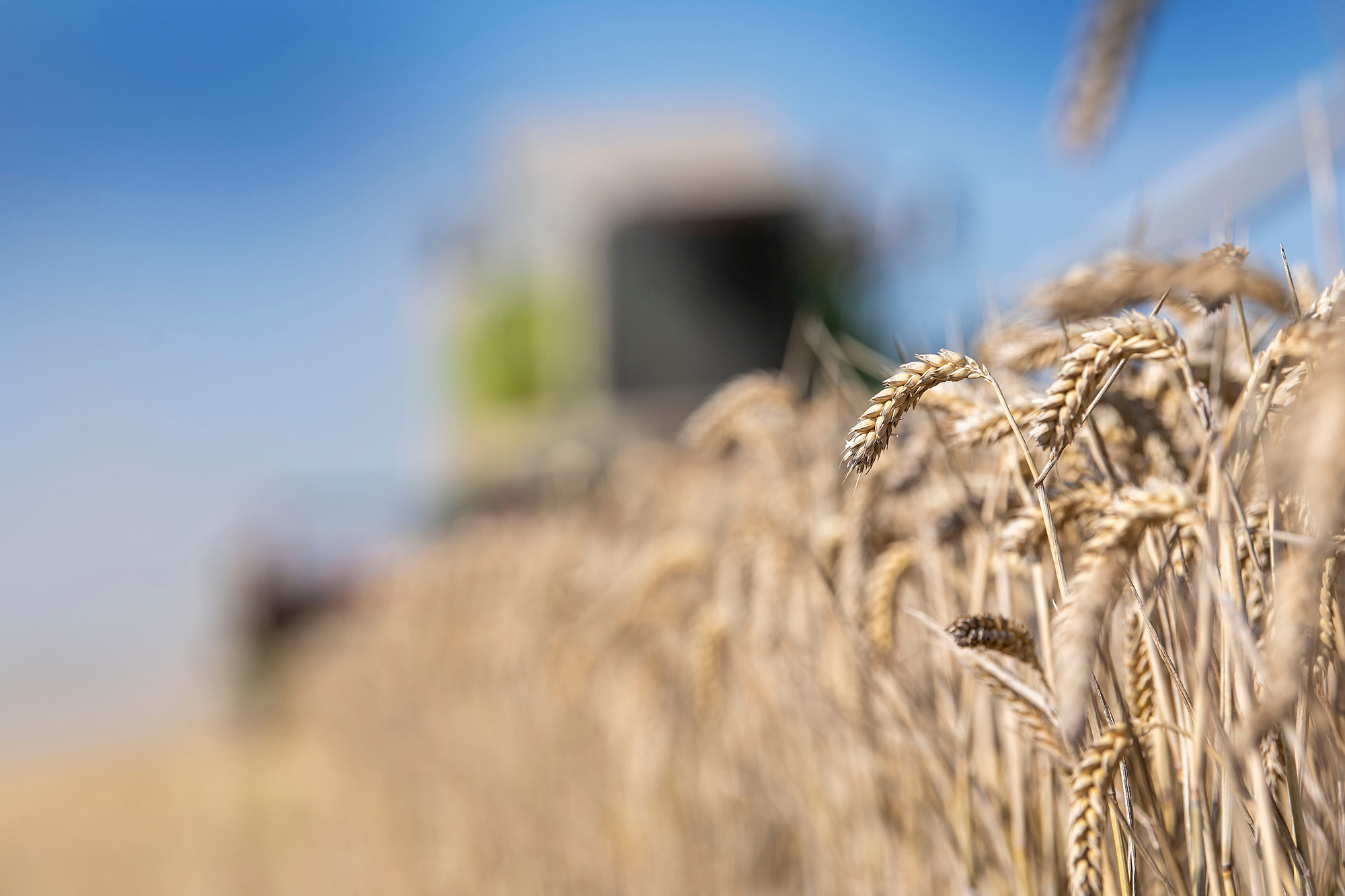
“In 2025 we sourced half of the required quality wheat from Belarusian producers – we worked well with our farmers,” Lozhechnik stated.
As a result, Lozhechnik estimated that BNBC feed additives are now operating at 100% capacity. With agricultural production gaining momentum in the country, the company now feels ready to proceed with its capacity expansion plans.
“We have largely resolved the issue of Belarusian grain supplies,” Lozhechnik said, explaining that during negotiations Belarusian farmers agreed to produce grain of a quality sufficient to meet BNBC’s needs. “Most importantly, this can be done domestically.”
BNBC is liaising with the Belarusian Academy of Sciences to ensure the manufactured grain meets the required quality standards.
In addition, BNBC plans to deepen cooperation with its Russian colleagues, Lozhechnik revealed, without providing additional details.
Production capacity and financial struggles
According to official information, BNBC has a nameplate capacity to manufacture:
30,000 tonnes of L-lysine monohydrochloride 98.5%,30,000 tonnes of L-lysine sulphate 75%,6,000 tonnes of L-threonine 98.5%, and1,000 tonnes of L-tryptophan 98.5%.
BNBC’s plans to kick off feed vitamin production, shared during the construction of amino acid capacities, have been repeatedly delayed.
Occasional reports indicated that BNBC faced financial challenges during the last several years.
In December 2023, Belarusian President Alexander Lukashenko stated that “things were not exactly as planned at BNBC,” explaining that the company experienced difficulties achieving a high-capacity utilisation rate and selling final products.
These problems have led to discouraging financial performance, Lukashenko said.
Market access and export barriers
During construction, BNBC management shared plans to establish large-scale exports to the EU market, in addition to selling its products to Russia, Ukraine, and China.
However, European sanctions imposed on Belarus in 2020 have effectively closed access for Belarusian additives to the European market and to Baltic ports, which were expected to serve as key export routes to Asia.
Currently, BNBC sells almost entirely on the Russian and Belarusian markets.
Join 26,000+ subscribers Subscribe to our newsletter to stay updated about all the need-to-know content in the feed sector, three times a week.
“*” indicates required fields