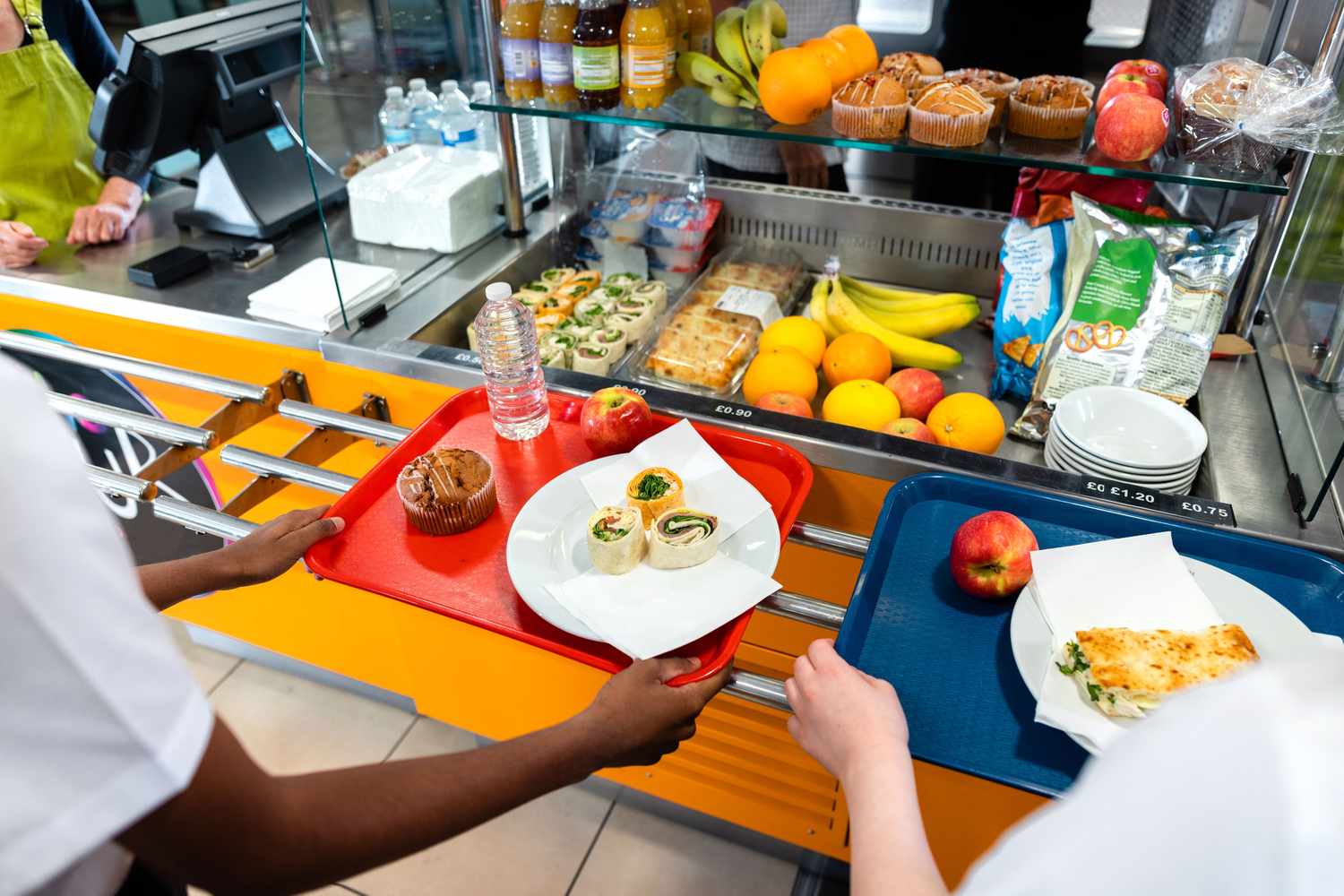
The 2025–2030 Dietary Guidelines urge Americans to reduce consumption of highly processed foods, a goal that may challenge public schools struggling to balance nutrition and cost.The School Nutrition Association reports that most meal programs operate on an average of $4.70 per student, leaving little room for fresh, scratch-cooked meals without additional funding.Despite clear benefits — like improved health and nearly $40 billion in economic returns — advocates warn that new federal policy changes could limit access to free and reduced-price school meals, unless Congress steps in to expand support.
In early January, the United States Department of Agriculture (USDA) released the 2025-2030 Dietary Guidelines. The guidelines called for Americans to reduce their consumption of “highly processed foods,” also known as “ultra-processed” foods. While experts agree that cutting back on these foods (which often include chemicals and preservatives) can be beneficial, one group that is likely to struggle with this shift is America’s public school children.
Just days before the new Dietary Guidelines were released, the School Nutrition Association (SNA) published its own report, noting that while “School nutrition professionals have been working to expand scratch cooking and reduce reliance on ultra-processed foods,” many administrators believe they lack the funding or resources to make meaningful change. The association explained that public school meal programs have long operated under extremely tight budgets, relying on an average of $4.70 per meal — “less than the average price of a latte,” as the association added. That figure covers food, labor, and equipment.
“School meals support academic achievement, student health, and obesity prevention by improving children’s diets and combating hunger,” the report explained. “Offering free meals to all students through Community Eligibility Provision (CEP) cuts through red tape and ensures all children are nourished for success, without stigma.”
Beyond providing nutrition, investing in food for America’s school children also delivers measurable returns. As Food & Wine previously reported, a 2021 joint report by the Rockefeller Foundation and the Center for Good Food Purchasing found that the American government’s $18.7 billion investment in free and reduced lunches generated a nearly $40 billion return, “providing at least $21 billion in net benefit to society even when we measure only their benefits to human health and economic equity.” That $21 billion net gain came primarily from improved public health through reduced healthcare costs and from boosting economic equity by assisting low-income families.
It does not appear that schools will receive the relief they’re looking for. The SNA report also explained that upcoming changes to the Supplemental Nutrition Assistance Program (SNAP) and Medicaid under the “One Big Beautiful Bill Act” will reduce the number of children eligible for free and reduced-price school meals.
Making meals at home is widely promoted as a solution to rising health concerns tied to ultra-processed foods. But grocery prices, long work hours, and limited resources can make that advice feel out of reach.
doble-d / Getty Images
Instead of cuts, the SNA called on Congress to “provide every student access to free, nutritious school meals to support their health and education,” including passing the “Restoring Food Security for American Families and Farmers Act” and repealing the Big Beautiful Bill’s SNAP cuts.
“School nutrition professionals are at the frontlines, instilling principles for lifelong healthy eating among America’s children — schools are the only place required to serve meals based on the Dietary Guidelines for Americans,” Stephanie Dillard, the president of the SNA, said in a statement. “Congress must step up to ensure schools have the funding and resources to build on their successes and effectively implement changes to school nutrition standards.”