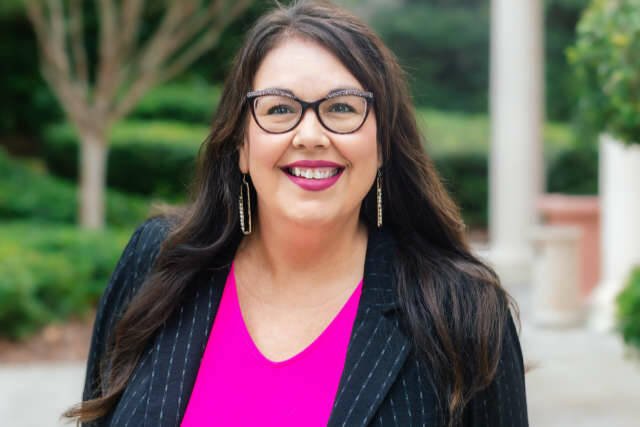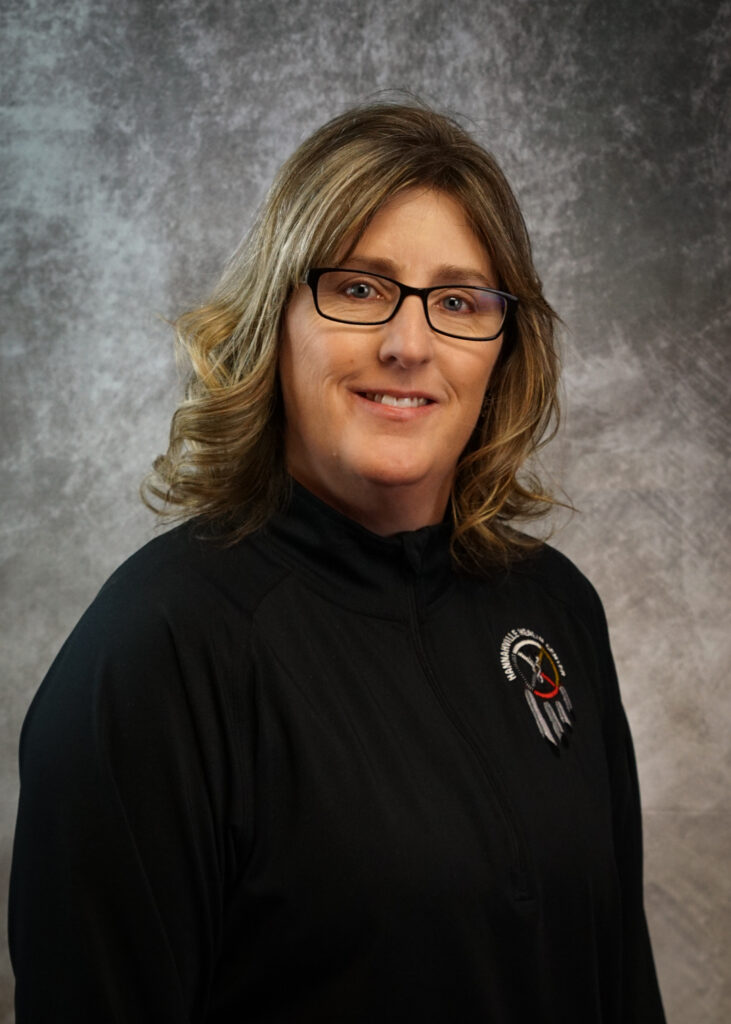
Nichole Roedder, founder of Healthy Her Fitness Club, spoke about leaving an abusive relationship and using faith and fitness to rebuild her life on the Jan. 13 episode of KAWC’s What’s Up Yuma? podcast. The interview traces her personal transformation and explains how she now channels that experience into programs aimed at physical and personal development for women in Yuma County. Audio of the episode is available on the KAWC episode page: kawc.org/podcast/whats-up-yuma-radio/2026-01-13/whats-up-yuma-radio-nichole-roedder-healthy-her-fitness-club-talks-about-divine-transformation
At its core, this is a human-interest story about survival and entrepreneurship. Roedder’s work sits at the intersection of wellness services and community support, offering structured fitness classes alongside workshops intended to strengthen confidence and personal agency. For local residents, the service provides a venue for recovery that is both practical and social: exercise that improves health and an organized setting where women can find peer networks and referrals to other supports.
The rise of businesses like Healthy Her fits broader economic patterns. Small service firms in health, wellness, and personal development typically generate local spending on studio space, equipment, and ancillary services such as child care and nutrition guidance. Those spending flows circulate through the Yuma County economy, supporting landlords, local vendors, and independent instructors. For an area where small businesses make up almost all employers, locally rooted wellness entrepreneurship can be an engine for job creation and household income stability even if those jobs are part time or contractor-based.
There are also market implications for local nonprofits and public agencies. Programs that combine counseling, faith-based support, and fitness can reduce demand on social services by promoting resilience and social capital. That potential depends on coordination: referrals from health providers, shelters, and faith communities can expand reach, and modest public or philanthropic grants can help entrepreneurs bridge start-up costs. For policymakers, supporting accessible studio space, training subsidies for instructors, and streamlined permitting for small wellness operators are low-cost ways to nurture this segment.
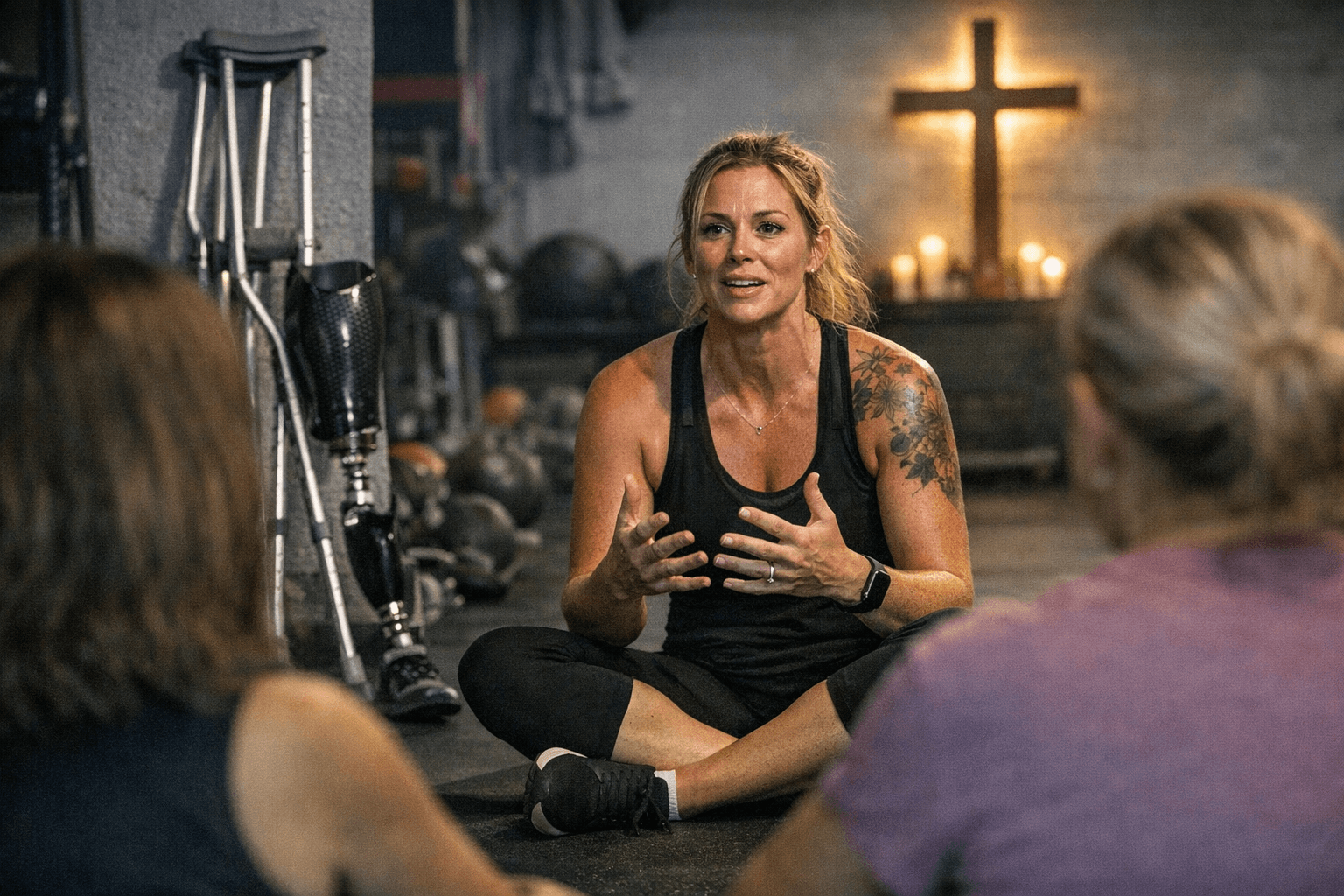 AI-generated illustration
For community members, the immediate significance is practical. Women seeking recovery resources now have another locally run option that emphasizes trauma-informed movement and peer support. For neighbors and local funders, Roedder’s story is a reminder that investments in small, mission-driven businesses can yield social as well as economic returns.
Our two cents? If you want to support survivors and grow local jobs, consider signing up for a class, sharing Roedder’s programs with someone who may benefit, or connecting Healthy Her with local nonprofits and faith groups. Small acts of patronage and partnership help turn personal transformation into community resilience.