The never-ending debate of whether vitamin supplements are vegetarian or non-vegetarian has once again stirred social media. Dr Anshuman Kaushal, a Robotic GI Surgeon popularly known as @theangry_doc, decided to settle the debate once and for all with his latest Reel on whether Vitamin B12 should be classified as vegetarian or non-vegetarian.
In his post, Dr Kaushal explained that Vitamin B12 itself cannot be labelled as either. He stressed that bacteria are the true producers of Vitamin B12, while animals merely act as a “storehouse” after absorbing it from bacteria present in their gut. This explains why animal-based foods are rich in the vitamin, even though animals do not produce it themselves.
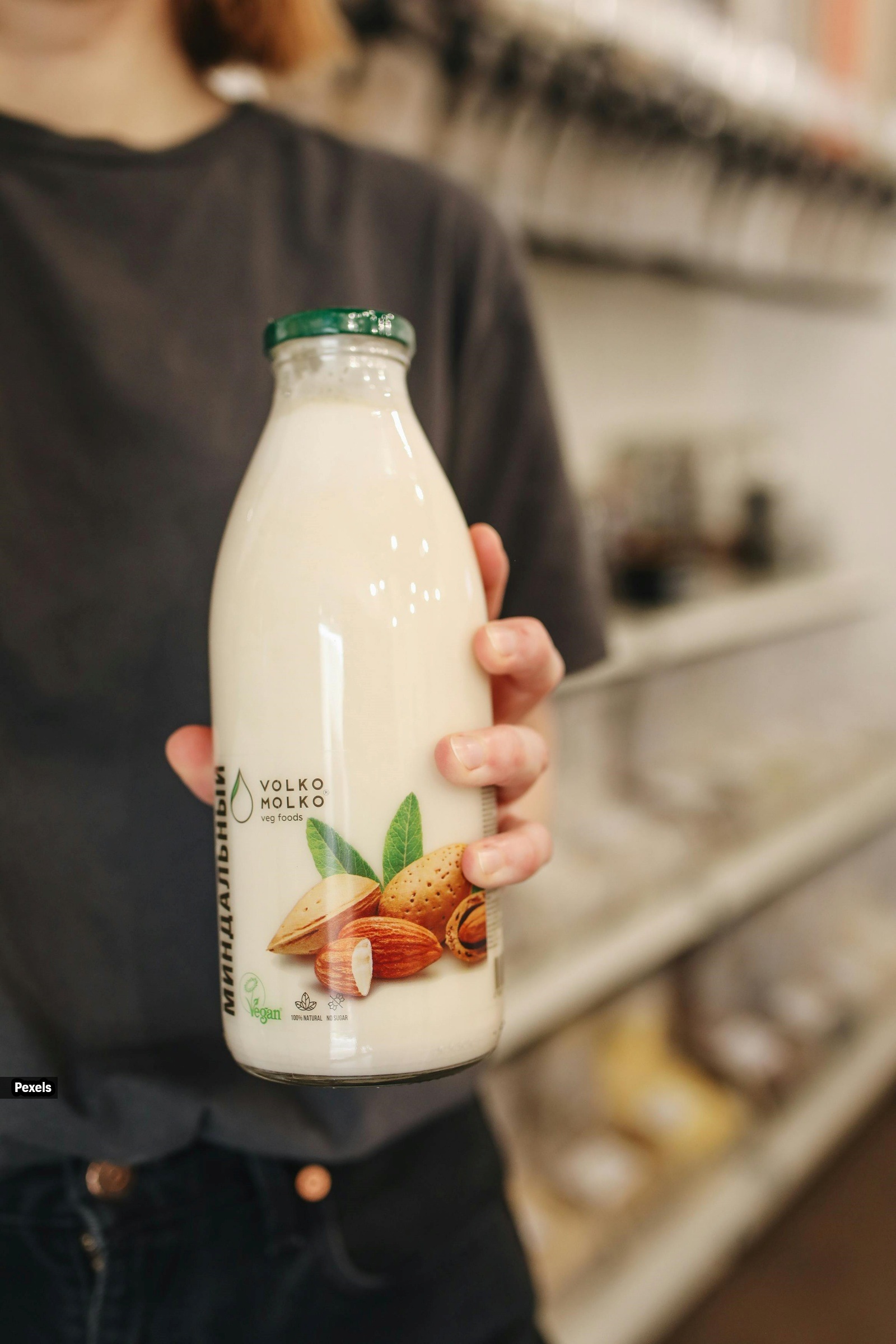 Plant-based milks are also a good source of Vitamin B12 (Image: Pexels)

He also pointed out that plants do not contain Vitamin B12 because they lack the enzyme system required to make it. To better understand it, we reached out to Dr Manjusha Agarwal, Senior Consultant, Internal Medicine, Gleneagles Hospital, Parel, Mumbai, who agrees with him, noting that confusion exists largely because Vitamin B12 is naturally found in animal foods.
Explaining how animals obtain the vitamin, Dr Agarwal tells indianexpress.com, “Animal gut bacteria produce a lot of B12, which the animals absorb and store. That’s why animal meat is high in vitamin B12.”
In the reel, Dr Kaushal had also highlighted that in the past, humans may have received trace amounts of Vitamin B12 from environmental sources such as soil bacteria and untreated water. With modern hygiene and water purification, these sources have disappeared, making deficiency more common today.
So how can vegetarians and vegans ensure they meet their Vitamin B12 requirements? “The best and safest vitamin B12 sources for vegans are B12-fortified foods (such as fortified cereals, plant milks, and nutritional yeast) and vitamin B12 supplements,” Dr Agarwal notes.
Both doctors stress that Vitamin B12 plays a crucial role in overall health. As Dr Agarwal explained, “Vitamin B12 is essential for healthy nerve function, red blood cell formation, and DNA synthesis,” adding that deficiency can lead to anaemia, nerve damage, fatigue, and memory problems.
The takeaway is clear: while Vitamin B12 is often linked to animal foods, its true origin is bacterial, and conscious intake through fortified foods or supplements is essential—especially for vegetarians and vegans.
Story continues below this ad
DISCLAIMER: This article is based on information from the public domain and/or the experts we spoke to. Always consult your health practitioner before starting any routine.