fstop123/Getty Images
Is 2026 the year we finally hit our limit with beauty product hauls? Not quite…but our routines are getting a more conscious makeover, thanks to Project Pan.
Micro-trends and viral “aesthetics” have dominated the beauty industry for years (are we circling back to ‘clean girl’ or ‘mob wife’ makeup this month?), and in order to keep up, brands have pushed new launches at record speed. In 2026, it’s safe to say that the product fatigue has caught up to us. It seems like we’re finally ready to ask: How many near-identical lip products does one person need? And how many do I actually have?
Enter, Project Pan—a viral TikTok challenge that’s encouraging users to brag about their empties, not their new purchases. The concept is simple: Use up the beauty and personal care products you have before buying new ones. Sounds less like a challenge, and more like something we should all be doing anyway, right? That’s where the social media accountability comes in.
How does Project Pan work?
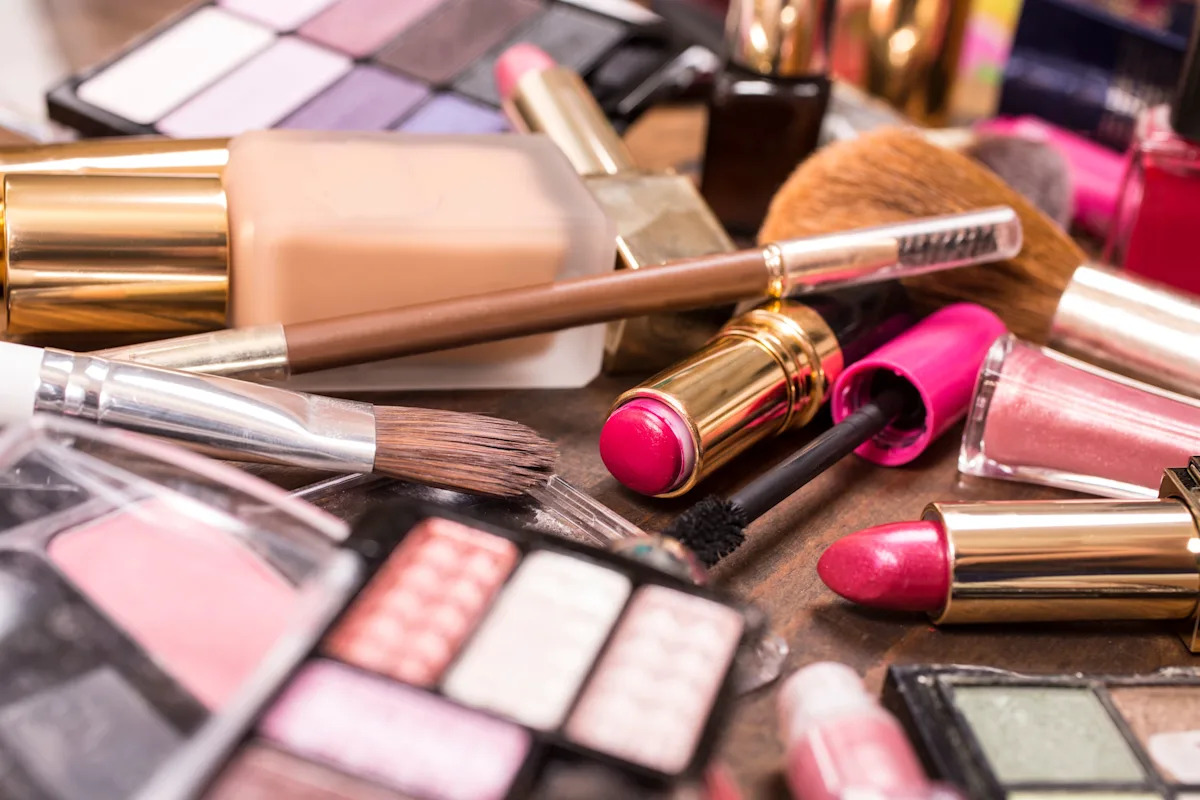
At the beginning of the year, Project Pan participants must take inventory of their entire beauty stash. This usually means unearthing products from medicine cabinets, organizers, and drawers, and lining them up on the floor or across their bedspread. This exercise alone tends to be eye-opening: “This is literally insane…I’m not buying anything for the next 10 years,” wrote one user after assembling her lineup. From there, participants make a written log of all of products (17 lipglosses, 5 eye shadow palettes, 12 moisturizers) to tally up a grand total.
The goal is to chip away at this number throughout the year by “hitting pan”—using a product down to the bottom of its container—on as many items as possible, without adding new products to the total count unnecessarily. Most users share monthly or weekly check-ins, logging their progress on specific products. At the end of the year, it’s become a tradition to compare your “graveyard” (your pile of empty products) to the haul you started with.
While the challenge is trending in 2026, it isn’t new: The Reddit channel r/ProjectPan started in 2015 as a space for users to share their inventories, progress, and empties. Slowly but surely, the idea reached wider audiences across social media platforms (one Instagram user @myprojectpanjourney has amassed nearly 20,000 followers documenting her progress for six consecutive years.)T his year, Project Pan is reaching viral status on TikTok, with younger audiences—yes, even those Drunk Elephant hoarding ‘Sephora tweens’—pledging to use up their products.
Will Project Pan really help me shop less?
Project Pan is a great incentive to organize your beauty haul, take stock of what you have, and find more satisfaction in using your products. But will it actually temper the impulse to buy the latest liquid blush or seasonal body wash from your favorite brand?
Biopsychologist Mary Poffenroth, PhD, recognizes a “gamification” aspect to Project Pan that might scratch the same itch as impulsive shopping. “Neuroscience research has consistently shown that setting a goal and then tracking progress activates the dopamine system, thus allowing even small signs of progress to trigger a dopamine release,” she says. Although, she notes, the extent of dopamine payoff will vary from person to person.
Dr. Poffenroth explains that Project Pan stimulates both internal and external reward signals in your brain, which can lead to more longterm satisfaction than a buzzy purchase: “Social media is providing an external incentive of social praise,” she says, “Saving money is also an external incentive, and then there’s the internal incentive of feeling good about yourself for being less wasteful.”
Reinforcing visual progress cues—like watching your go-to lip pencil shrink as you sharpen it, or seeing more of the bottom of your bronzer pan each month—can also spark up your internal reward system. “By seeing and actively achieving incremental goals, and then adding a layer of social sharing, this is a low-tech version of classic gamifying behavior change—specifically changing restraint from feeling negative to feeling positive,” Dr. Poffenroth says.
Project Pan veterans tend to agree—and often return to the challenge year after year. “As I have continued to pan and get more motivated, I realized recently that the ‘pan mentality’ has reinforced habits that I have wanted to cultivate basically forever!” one Reddit user shared. “The desire and satisfaction of wanting to finish a product motivates me to use them on a regular basis. Basically, this one idea has changed my whole life and makes self care routines sooooo much easier.”
What does Project Pan say about beauty trends in 2026?
If Project Pan’s newfound popularity in 2026 tells us anything, it’s that beauty hauls aren’t the flex they used to be. We’re craving more satisfaction from our purchases and routines—which means investing in products we actually enjoy using (and find worth repurchasing), rather than blindly adopting the ones influencers and algorithms are pushing. By encouraging users to share how often they reach for their holy grail products, it might even signal a return to individualism in beauty.
Project Pan isn’t making a case for minimalism: It still has a “haul” mentality, encouraging users to brag online about their product consumption. But documenting your enjoyment of the products you’ve already invested in feels different than dumping out a shopping bag of brand new items you’ll forget about by next month. The challenge respects your non-essential beauty faves, as long as you’re using them. It’s not anti-product, it’s anti-waste.
Even if you don’t plan to share your progress online, it’s worth following along with some Project Pan journeys this year. Let this be your sign to take inventory, and pay attention to what you’re actually using. A small mindset adjustment can help you feel better about every beauty investment this year.
Grace McCarty is the associate beauty editor at Glamour.
Originally Appeared on Glamour