 Courtesy of USA Rice.
ARLINGTON, Va. — According to a recent report, school nutrition programs continue to face significant operational challenges as they work to provide healthy school meals to students within their already limited budgets. The School Nutrition Association’s 2025-26 School Nutrition Trends Report identifies food, labor, and equipment costs as the top concerns for school meal programs nationwide. These pressures come as schools respond to growing state and federal attention on reducing ultra-process foods (UPFs) in school meals and affordable, nutrient dense foods like rice may be key to relieving some of those pressures.
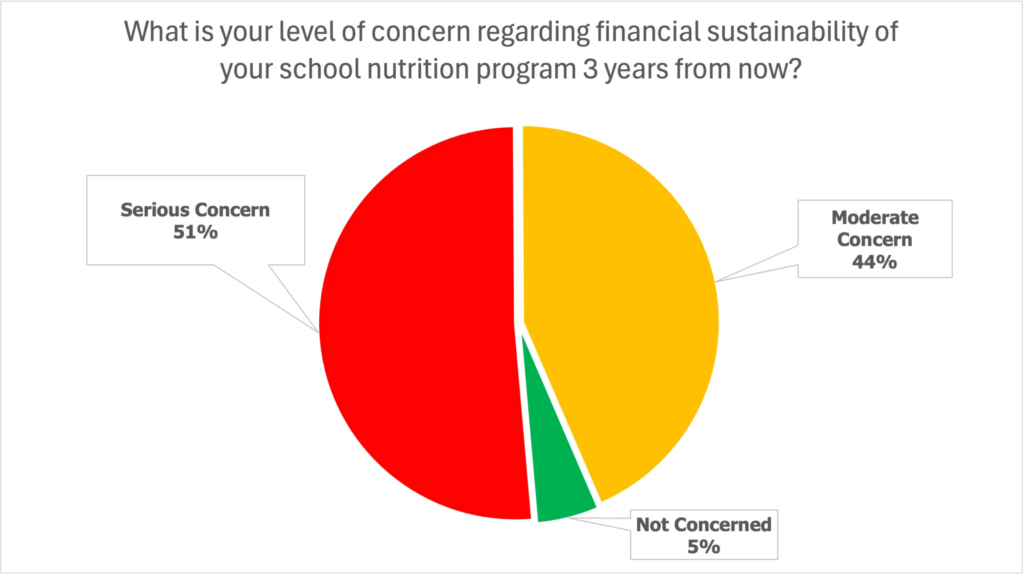
While many nutrition directors support efforts to limit UPFs, schools report that doing so often requires significantly more scratch cooking, more kitchen space, additional training, and a greater time investment. These are all resources many school programs report they are lacking. Financial sustainability remains a central concern as schools balance nutrition goals with participation cost controls.
U.S.-grown rice offers a practical and cost-effective option to help schools manage these competing demands. Shelf-stable rice provides a low per-serving cost that can help offset expenses associated with moving away from pre-packaged meals. Rice is also easy to prepare in large batches using existing equipment that makes it well suited for labor-constrained kitchens.

The versatility of naturally plant-based and gluten-free rice allows schools to pair it with locally sourced vegetables and proteins that in turn supports efforts to incorporate more local foods into meal plans while continuing to offer familiar and culturally inclusive meals. Rice on the menu supports meal variety and dietary needs while aligning well with existing whole grain and nutrition standards.

“The findings from the 2025 School Nutrition Report are pretty clear, those responsible for feeding our students need help as they work to transition from the current level of reliance on UPFs,” said Cameron Jacobs, vice president of domestic promotion for USA Rice. “Moving away from UPFs requires larger nutrition budgets, more culinary training, and additional cooking space. Increased usage of versatile, dependable, domestic rice can help address all of those issues without increasing cost or complexity, and USA Rice will continue to invest in the K-12 space to help support school operators as they work to serve both healthy and desirable school meals.”