A federal judge this week strongly rejected the Osceola County Sheriff’s Office’s attempt at ending a lawsuit over the September 2023 killing of Jayden Baez in a Target parking lot, ruling the deputies who killed him are not entitled to qualified immunity.
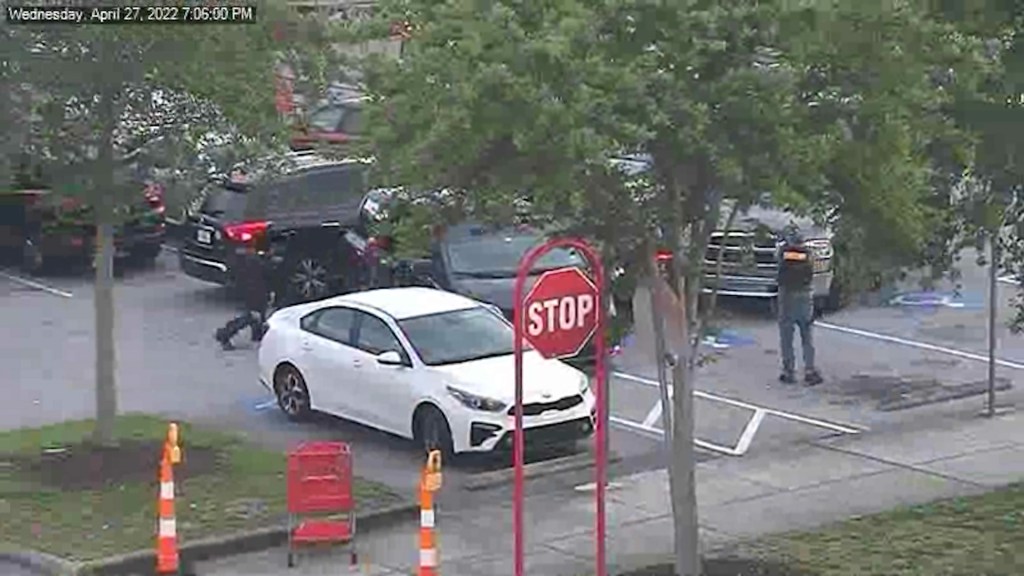
In a stunning 60-page ruling Tuesday, U.S. District Judge Gregory Presnell excoriated the actions of the deputies, including the dozens who used unmarked vehicles to box in a car carrying Baez and three of his companions and the two who opened fire when Baez tried to speed away.
The deputies had been training vehicle takedowns in unmarked cars when they were ordered to gear up and head to the Target store in Kissimmee in response to a reported shoplifting of $46 worth of pizza and Pokémon cards.
Following the lawsuit filed by Baez’s parents, as well as Joseph Lowe, Michael Gomez and Ian Joi, who was a minor at the time, the deputies who shot into the vehicle looked to have it dismissed. Ramy Yacoub and Scott Koffinas, who are defendants in the lawsuit, claimed they were acting in self-defense as law enforcement against a suspect running away by attempting to bash through their vehicles, which would have given them immunity.
Instead, Presnell pointed to “a series of reckless and unreasonable decisions” by the deputies. Those included conflicting orders as Baez’s car was being surveilled, disputes over whether Target wanted to press charges and who authorized the takedown, not turning on emergency lights until after boxing in the car and — most critically — the use of undercover vehicles in response to a shoplifting.
In his order denying Yacoub and Koffinas immunity, he said the Sheriff’s Office was not justified in “diverting an undercover, 28-deputy battalion and helicopter to conduct a simple stop on a parked vehicle containing two petit thieves.”
The civil trial is expected to begin in April, with a final conference scheduled for March 25.
“At its end,” Presnell wrote, “no members of the [Osceola County Sheriff’s Office] were injured; at least five vehicles were badly damaged, including the Audi and four [OCSO] undercover vehicles; Yacoub had fired 17 rounds into the passenger window; Koffinas had fired 14 rounds into the rear window; Baez was shot dead; Gomez was shot three times in the back and ribs; Lowe suffered gunshot wounds to both hands resulting in permanent disfigurement; Joi was slammed to the ground and detained for hours; countless civilians were traumatized; and a pizza and a handful of Pokémon cards were recovered.”
The ruling is a significant victory for lawyers representing the survivors and Baez’s parents, who long contended the Sheriff’s Office’s tactics that day were excessive and unnecessary. It’s also the first time since the shooting that a judge concluded the deputies’ emergency lights were off until they hit Baez.
Presnell further noted that the question of whether the deputies identified themselves as law enforcement — disputed even among the deputies themselves in depositions cited in the ruling — should be decided by a jury.
In addition to killing Baez, the gunfire struck Lowe’s hands, permanently disfiguring them, while Gomez survived being shot in the back and ribs. Joi was unscathed, but Presnell noted he was cut in the chin after being dragged out of the car and handcuffed by deputies.
“The only discernable justification for the deputies’ insistence on forcing the Takedown is that they were eager to practice their training; and that is not a lawful justification,” he wrote.
The ruling ultimately represents the strongest rebuke of the machinations that ended in Baez being killed since the Osceola County grand jury that cleared Yacoub and Koffinas of criminal wrongdoing expressed “grave concerns” about what happened.
In the same order, however, Presnell rejected a key claim that the agency’s actions and its public response to the incident were part of a pattern of violence by deputies encouraged by then-Sheriff Marcos Lopez. Lopez was reelected in 2024 despite the backlash of that incident and others looming over his administration, but he was removed from office in June after being arrested on racketeering charges.
“Ultimately, Plaintiffs have presented no comparator incidents to establish any kind of persistent pattern of unconstitutional policies or customs and can point to no real evidence of any culpability on behalf of the [OCSO] for failure to train,” Presnell ruled.