Released Jan. 7, the guidelines include an inverted food pyramid, replacing the MyPlate model established in 2011.
DES MOINES, Iowa — It’s been a week since the Trump administration rolled out new advice when it comes to eating healthy — and Americans have questions about the inverted food pyramid that came along with it.
RELATED: A new food pyramid has been released. Here’s what it says you should eat
Historically, the U.S. has been following some type of model guiding people on how to eat since the 1990s.
The first food pyramid was released in 1992, followed by an updated one in 2005. The original included fats, oils and sweets at the top, encouraging Americans to eat it sparingly. Bread, rice, and cereal made up the largest portion at the bottom. In 2011, the U.S. switched to a plate model, formally known as MyPlate.
Brian Smith, a clinical dietician at Iowa Lutheran Hospital, told Local 5 the pyramid for 2025-2030 guidelines has some similarities to the first one.
“To say that this is new and different when it’s really not exactly new and different is quite confusing,” Smith said. “We’re returning to a model that had some limitations. In the years that the first pyramid was out, people didn’t quite grab on to the intended message, so that’s why we went from the food guide pyramid in 1990 then to choose MyPlate.”
He said the MyPlate model conveys balance and portion control, both of which he said are key to eating healthy.
As HHS decides to go back to a pyramid, Smith feels the written guidelines don’t quite match the visual. Specifically, the HHS and USDA releases say to “focus on whole grains”, yet that group is the smallest category at the bottom of the pyramid.
“In the printed material, it is still saying, ‘Yes, make sure that you do get fruits and vegetables in, to get your fiber, get your vitamins and that kind of stuff in,’” he said. “But the story is not very well told by just the pyramid itself.”
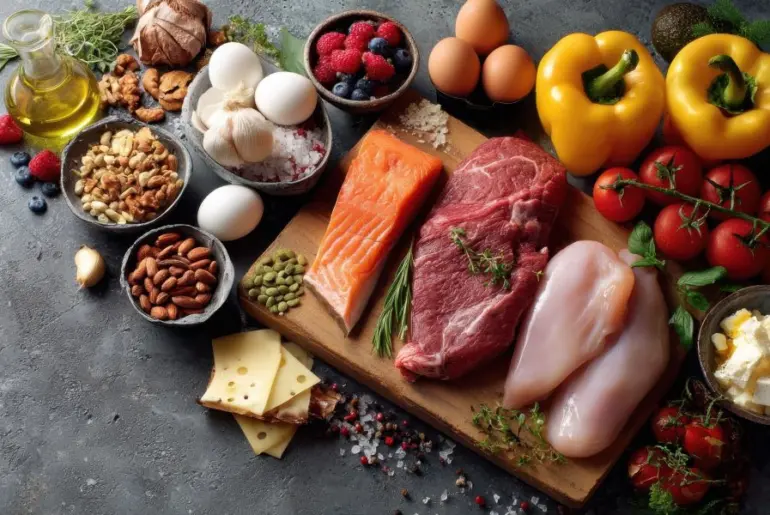
One food group the pyramid and the listed recommendations prioritize is protein. Amid what seems like a nationwide hyperfocus on the nutrient, the updated dietary advice is to eat 1.2-1.6 grams of protein per kilogram of body weight per day, which is 0.54-0.72 grams per pound. For someone who is 150 pounds, that’s 81-108 grams every day. Smith says this model might not work for some people.
“If you happen to be a person in a larger size body, it won’t bode well for chronic health conditions in the future,” Smith said.
The recommendations also call on Americans to drink less alcohol, but don’t specify an amount. Smith says no alcohol is going to be best, but if you do drink, to keep intake under 1-2 alcoholic beverages per day.
Smith said whenever in doubt, it’s best to consult a nutrition professional to figure out what is best for your diet.