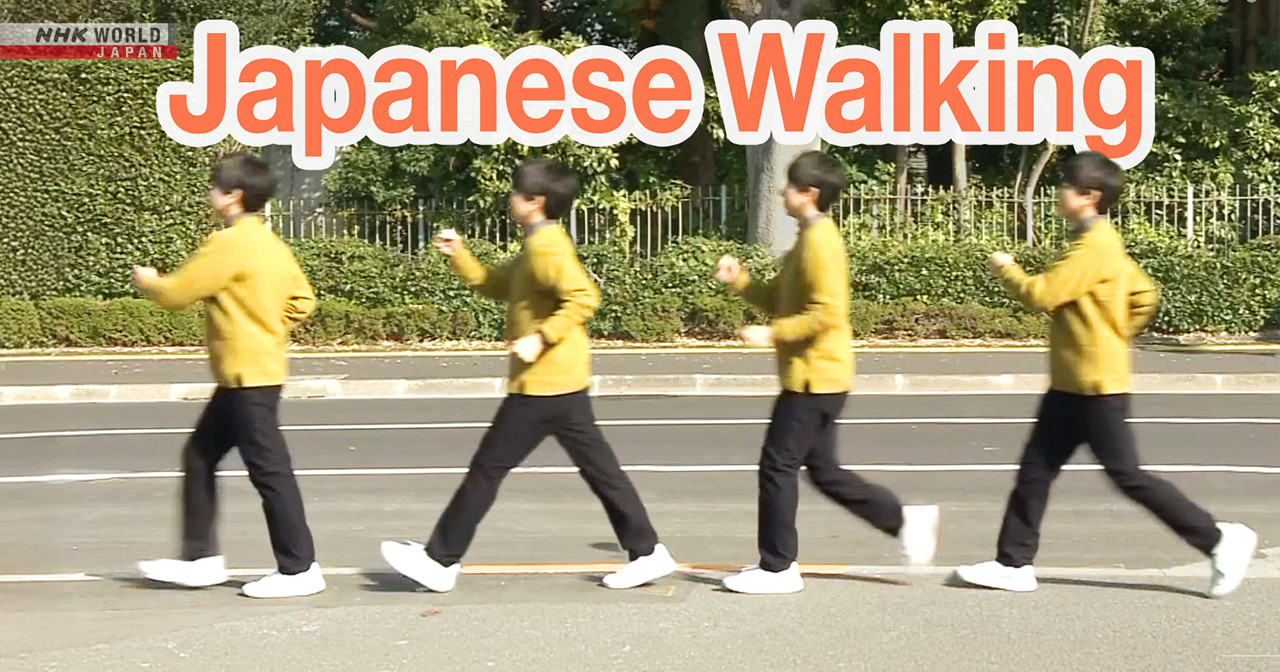
“Japanese Walking” is taking over the world. Created by a Japanese expert, the fitness routine has social media influencers of all ages raving about its health benefits on Instagram, TikTok and YouTube. The New York Times also named it one of its “10 fitness tips to help you get moving in 2026.”
Interval walking training
The “Japanese Walking” method consists of fast and slow walks in three minute intervals. First, you walk briskly with large strides. And next, you walk slowly for three minutes at a pace where you can hold a conversation.
Its creator recommends repeating this cycle at least five times, and doing this routine a minimum of four times a week. This method is also called interval walking training, or IWT.
Watch video 0:10
Watch NHK’s feature on the “Japanese Walking” method.
Australian triggers viral trend
Australian fitness coach Eugene Teo actually gave the method the name “Japanese Walking” when he posted a video introducing this exercise routine last May.
Although his video was just 39 seconds long, it has attracted nearly 55 million views and counting on social media platforms.
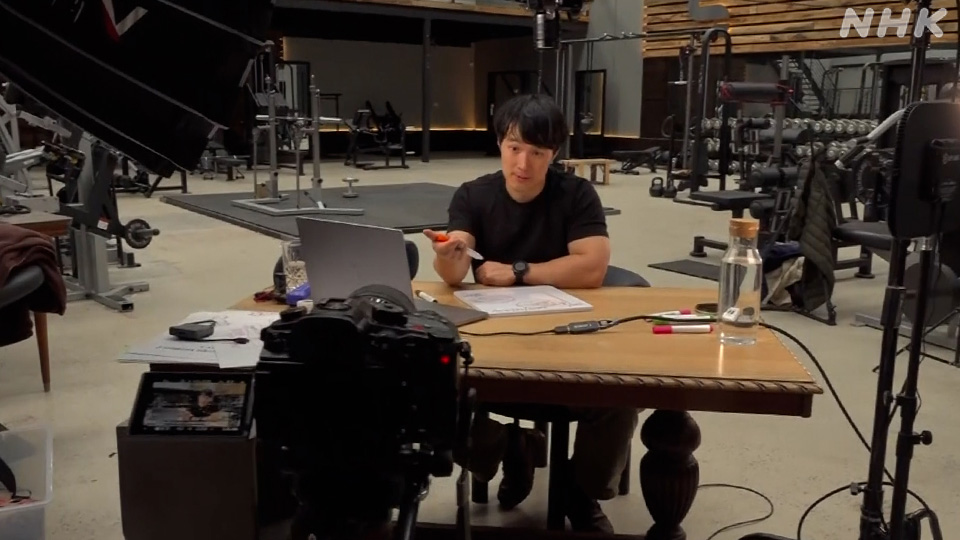
Eugene Teo, Australian fitness trainer and health content creator
Teo says he always asks himself if the content he is thinking about making is something his mother could do.
He explains, “They’re the people who are probably at the highest risk of injuries and detriments to their health, who don’t have the skill set or the knowledge or the tools available to them to be able to improve their health.”
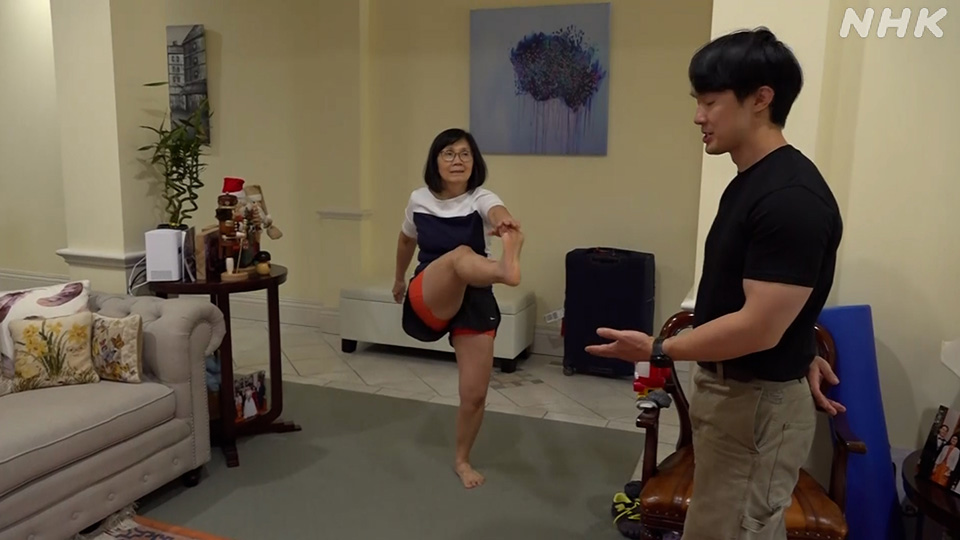
Teo and his mother
He was searching for exercise methods for people of all ages when he discovered a report on interval walking by Japanese researchers. He says it was exactly what he needed.
Better than 10,000 steps
In his now viral video, Teo introduces the “Japanese Walking” method by saying: “You’ve probably heard that you should walk 10,000 steps a day. But in 2007, Japanese researchers discovered a walking technique that gives you 10 times the benefits in just 30 minutes.”
Teo says: “It makes a lot of sense from a mechanistic cardio metabolic standpoint. And it was really cool to see research backing it up, as to here is the protocol you can start to use. And I love just how accessible it was.”
To pay respect to the Japanese researchers, he dubbed the method “Japanese Walking.”
Teo credits the name as a reason for why his video went viral.
He says: “I think people just on some level understand that there is a very specific, unique way that Japanese people do things. It is very thorough. It is very detail oriented.”

Teo’s video on ‘Japanese Walking’ is shared and liked by thousands on social media.
Praised for being simple, practical and gym-free, the method soon drew attention. People began posting videos of themselves going “Japanese Walking.”
Global media, such as Fortune, Time, The New York Times and The Washington Post, also published features on the burgeoning fitness trend.
Japanese experts continue efforts
The creator of “Japanese Walking” is Nose Hiroshi, a specially appointed professor at Shinshu University in Matsumoto City, Nagano Prefecture. He researched the method as a way for elderly people to maintain their physical strength.
He says it is important to do 60 minutes of fast walking a week to strengthen muscles and boost endurance. His research team also found that this exercise is effective for improving memory.
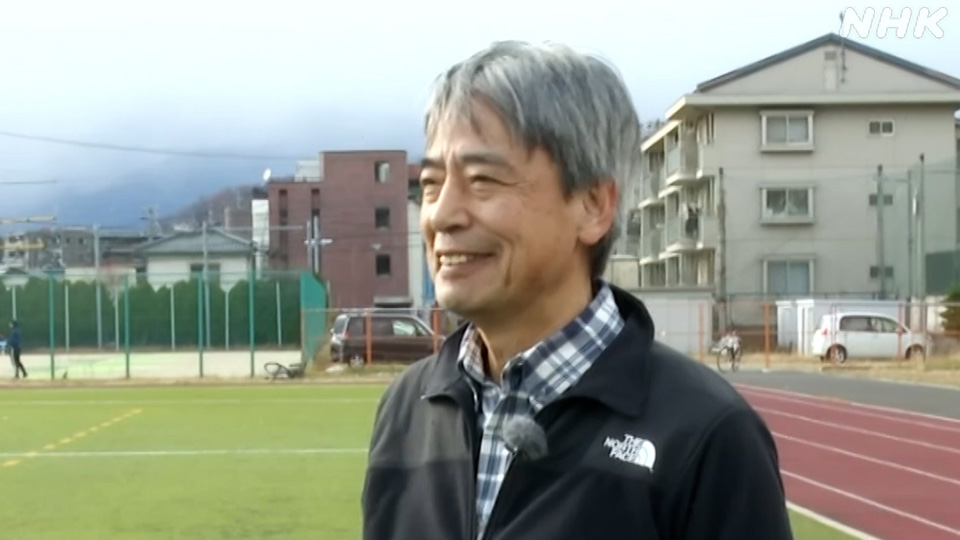
Nose Hiroshi on NHK World’s Medical Frontiers program.
Nose’s collaborative researcher, Professor Masuki Shizue, ran studies on the exercise and says it may help lower blood pressure, reduce the risk of a stroke and combat depression. She also found it effective for improving or maintaining bone density.
Masuki’s team has also developed an online system that allows people to see how this exercise routine will improve their health. By entering information like age, body weight, blood pressure and how long they will continue this exercise, people can see how their bodies will transform.
As this research and innovation continues in Japan, the growing trend of “Japanese Walking” is changing the lives of people worldwide.
Watch video 3:58
This program was aired on NHK Newsline on January 13.