The best vegan protein powders have had a bit of a reputation crisis after a report that showed many powders on the market, especially plant-based or vegan options, showed elevated levels of contaminants and heavy metals. But the truth is a bit nuanced. “One way heavy metals enter our food system is through the soil, which means that they can be found in a variety of produce, vegetables, and plant-based items,” explains nutritionist Mia Rigden, MS, CNS. “That doesn’t mean we should totally stop eating these, it just means we need to be more diligent about where our food is coming from and opting for more diversity in our diets.”
That can mean that the stakes are a bit higher when evaluating vegan protein sources for those with dairy allergies, lactose intolerance, FODMAP sensitivities, or follow vegan or plant-based diets for personal reasons. We need protein, an essential macronutrient, for essentially every biological process in our bodies. “Getting protein from our diets is crucial, especially for your metabolic health,” says Ridgen. “Protein is the most satiating macronutrient, meaning it keeps you fuller longer, and it also plays a role in keeping blood sugar levels steady, which can lead to better energy throughout the day, fewer cravings, reduced stress, improved sleep, maintaining a healthy weight, and balanced insulin levels.”
Vogue’s Favorite Vegan Protein Powders:Best for Sensitive Stomachs
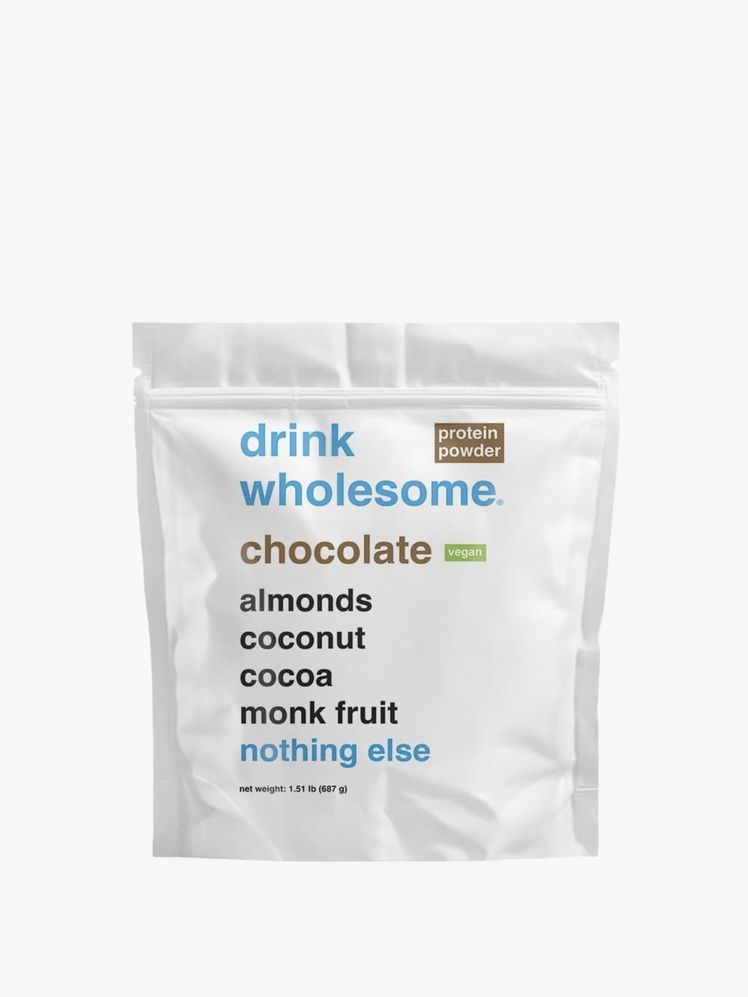
Drink Wholesome Vegan Protein Powder
Jump to reviewBest Unflavored
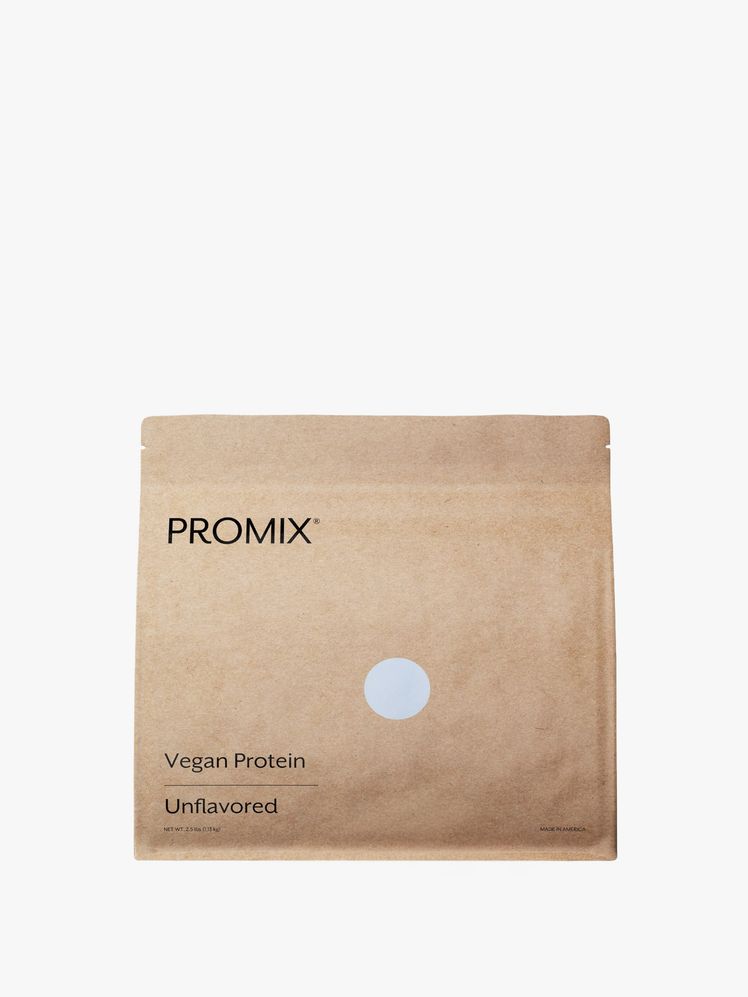
ProMix Nutrition Plant-Based Vegan Protein Powder
However, you can still find amazing vegan protein powders on the market to help you reach adequate protein goals. “Protein sources vary greatly, and plant-based sources of protein can still offer an excellent source of amino acids, fiber, and other nutrients,” says registered dietitian Kayla Kamen, MS, RDN and lead dietician at Drink Wholesome. “It is entirely possible to meet your body’s protein needs through a vegan diet.”
Before you decide which protein powder blends should earn a spot in your routine, Kamen says that it comes down to three important questions: “What is the source of this protein? What additives are in this product to make it palatable? Has this product been third-party tested, (and can I see the results?)” Beyond that, Ridgen adds that personal preference and quality ingredients play a role. Here, the experts outline everything you need to know about vegan protein powder to help you decide which option is the best for you.
In This Story:Best Overall: Ritual Pea Protein Powder
Ritual
Essential Protein Daily Shake
Why We Love It: With pea protein sourced from regeneratively farmed peas grown in the US, this non-GMO vegan protein powder is clean, delicious, and minimalist—without chalky textures or gooey clumps. But beyond the smoothness and fantastic flavor, the best thing about Ritual is their commitment to traceability, purity, testing, and quality, earning it our top spot for best vegan protein powders. “It’s important to seek out brands that are upfront with their ingredients and third-party testing results,” says Kamen. Ritual goes above and beyond with testing and transparency and even earned the Clean Label Project Certified Purity Award, ensuring each batch meets the strictest standards and is tested for over 200 environmental contaminants so consumers can rest assured there aren’t harmful levels of chemicals, like heavy metals, or artificial flavors. The peace of mind you get when trying to meet your protein goals? Priceless.Protein Source: Organic pea proteinProtein Per Serving: 20gIngredients: Pea protein, MCT oil, natural flavorSweetener: Monk fruitFlavor(s): Vanilla, chocolateSize: 1 lbBest For Sensitive Stomachs: Drink Wholesome Vegan Chocolate Almond Protein PowderWhy We Love It: Whole foods and minimally-processed protein sources are ideal for individuals with sensitive stomachs—including those following vegetarian or vegan diets. “Real food sources are always best for sensitive stomachs, as the body is able to recognize the composition,” says Kamen. “But minimally processed, almond-based protein powders can be an easy-to-digest, plant-based option.” This protein powder is dietician-formulated specifically for those with sensitive stomachs and features a super minimal ingredient list—just almonds, coconut, chocolate, and monk fruit—so it’s ideal for those concerned about hidden fillers or synthetic ingredients. It’s also perfect for anyone new to vegan protein powder or for those with an easily upset digestive system.Protein Source: AlmondProtein Per Serving: 15gIngredients: Almonds, coconut, vanillaSweetener: Monk fruitFlavor(s): Chocolate, vanilla, unflavoredSize: 1.51 lbBest Tasting: Ka’Chava Whole Body Meal ShakeWhy We Love It: Vegan, gluten-free, soy-free, and preservative-free, the Ka’Chava vegan protein powder creates an instant shake—one of the most delicious vegan protein shakes out there. With over six flavors to choose from—so there’s an option that suits everyone’s taste preference—it’s also one of the smoothest and mixable options too. With adaptogens, vitamins, and minerals, this shake is chock full of over 85 nutrients and superfoods, so you get a little bit of everything in each serving—a vegan protein blend, a digestive enzyme blend, a fiber blend, a pro-and-prebiotic blend, and more, making it a great option for those interested in getting more from their protein powders. However, it is worth noting that the label shows there is 4 grams of added sugar (along with 3 grams natural sugar), so those looking for a sugar-free option may need to opt for something else.Editor’s Experience: “My favorite protein powder of all time! I stick to the classic chocolate and vanilla flavors: Vanilla integrates well into overnight oats and smoothies, while chocolate tastes best on its own. And while I’ve never gone as intense as three scoops, I usually find one heaping scoop or two in the morning boosts my energy for until lunch—and most importantly, tastes good.” —Margaux Anbouba, senior beauty & wellness editorProtein Source: Yellow pea protein, brown rice proteinProtein Per Serving: 25gIngredients: Whole grain oat, flaxseed, organic acacia, chia seedSweetener: Coconut nectar, cinnamonFlavor(s): Chai, chocolate, chocolate mint, vanilla, coconut acai, matcha, strawberrySize: 2 lbsBest Unflavored: Promix Vegan Protein
ProMix Nutrition
Plant-Based Vegan Protein Powder
Why We Love It: If you’re the type of person where taste and texture can make or break your meal time, this unflavored high-performance vegan protein powder may be the ideal choice. “When you like the flavor or texture of a powder, it means you’ll actually use it,” says Kamen. It’s so smooth, blendable, and tasteless that it’s easy to drink two scoops with just water—but supercharging smoothies, oatmeal, or baked goods like muffins, pancakes, and more, with some of the protein powder is just as delightful. “Meeting your protein goals is a great way to improve your metabolic health, and a protein powder can help you get there in combination with whole food sources of protein,” says Ridgen. “I like simple organic ingredients mixed with unsweetened milk of choice and perhaps some whole foods, like spinach, fruit, nuts, nut butter, avocado, or seeds in a smoothie.”Protein Source: Organic yellow pea proteinProtein Per Serving: 25gIngredients: Vitamin B12Sweetener: NoneFlavor(s): Chocolate, vanilla, unflavoredSize: 2.5 lbsBest for Digestion: Ora Daily Superfood Plant Protein
Ora Organic
Daily Superfood Plant Protein
Why We Love It: Made without gums or fillers, this vanilla protein powder offers 23 grams of protein per serving—an ideal dose to work into your routine. “For most adults, 15-30 grams of protein per meal is effective for muscle synthesis and satiety,” says Kamen. “This number varies based on age, activity level, size, and medical history.” It’s also made with a powerful digestive enzyme blend like amylase and protease, making it a gentler option for those with digestion issues who want to enhance protein absorption and reduce bloat. Ora is also certified vegan and USDA organic, and rigorously tests every product at third-party accredited labs—and they proudly link their COAs (certificates of analysis) out on their website to review.Protein Source: Pea and riceProtein Per Serving: 23gIngredients: Cranberry, sacha inchi, amaranth, sprouted quinoaSweetener: Stevia and monk fruit extractFlavor(s): Chocolate, vanilla, vanilla chai, unsweetenedSize: 21.8 ozBest Chocolate: Momentous 100% Plant Protein
Momentous
100% Plant Protein Powder
Why We Love It: High-quality protein starts with high-quality ingredients. A favorite brand of Ridgen, this vegan powder is NSF-certified and offers 20 grams of high quality protein with all 9 essential amino acids that your body needs. While chocolate flavored protein typically showed higher levels of heavy metals than vanilla flavored in previous reports (cacao, after all, is a plant), you can still enjoy a chocolate vegan protein powder if you look for formulas with stringent standards. “Make sure you look for protein powders that are third-party tested for heavy metals and other contaminants and have certifications like Clean Label Certified or NSF Certified on the product labels,” says Ridgen. “Brands like Momentous prioritize transparency and clean sourcing.”Protein Source: Pea protein, brown rice proteinProtein Per Serving: 20gIngredients: Cocoa, natural flavors, saltSweetener: Organic cane sugar, stevia, monk fruit extractFlavor(s): Chocolate, vanilla spiceSize: 1.16 lbsBest Post-Workout: Form Performance Protein
Form
Nutrition Performance Protein Powder
Why We Love It: Athletes, fitness enthusiasts, and exercise fiends, rejoice. If you’re looking for a clean, simple, and effective vegan protein powder that packs a performance punch, this powder is ideal post-workout or to supercharge recovery. With 30 grams of multi-source protein, it also offers a full amino acid profile—a rarity in many vegan protein powders. “From an amino acid standpoint, common vegan protein sources are typically low in 1-2 essential amino acids,” says Kamen. “But the concept that this means they are nutritionally inferior is false—you can simply pair that protein source with a complementary protein, like rice or beans, to compensate for the missing amino acid gaps.” By including 5 grams of BCAAs (branched-chain amino acids), which are the three essential amino acids—leucine, isoleucine, and valine—that your body can’t produce itself and must get from food, this powder is a great choice for those who can’t tolerate whey protein powders and are looking to support muscle protein synthesis.Protein Source: Organic pea seed protein isolate, brown rice protein, pumpkin proteinProtein Per Serving: 30gIngredients: Black pepper extract, curcumin, digestive enzyme blend, BCAASweetener: Stevia, thaumatinFlavor(s): Chocolate hazelnut, chocolate peanut, tiramisu, vanillaSize: 1.1 lbBest Hemp Protein: Sakara Protein + Greens Super Powder
Sakara
Protein + Greens Super Powder
Why We Love It: If you’ve been a longtime fan of Sakara, this supercharged greens powder doesn’t disappoint. Easily mixed into a morning matcha or smoothie, it has a subtle vanilla taste and protein derived from peas, hemp, and pumpkin. “Research shows that 99% of individuals who follow a varied, balanced diet meet all of their essential amino acid needs, but the truth is, most plant sources are incomplete proteins,” says Kamen. “If your diet requires a plant-based, complete-protein source, soy, hemp, and fava bean protein are all great options.” It also features detoxifying algae, alkalizing greens, and spirulina and chlorella, which give an antioxidant and detox boost.Protein Source: Pea, hemp, and pumpkinProtein Per Serving: 12gIngredients: Pea, hemp, pumpkin, wheatgrass, barley grass, spirulina, chlorellaSweetener: Organic coconut sugar, organic stevia leaf extractFlavor(s): Hint of vanillaSize: 22.4 ozEverything You Need to Know
Are vegan protein powders as good as traditional formulas?
AccordionItemContainerButton
The short answer is, plant-based protein powders can be. The long answer involved what you’re looking for in a protein powder and how you’re incorporating it into your overall diet and lifestyle routine. As with most supplements, most nutritionists, including Kamen and Ridgen, agree that getting the majority of your protein from natural, whole foods should take priority over supplements. “Protein powder is a great way to help you meet your protein intake goals,” says Ridgen, noting that it should never act as a meal replacement for whole foods. Beans, lentils, tofu, nuts, and seeds are all great options to work into your diet for adequate protein intake.
What to Look For in a Vegan Protein Powder
AccordionItemContainerButton
There’s a few things to consider when evaluating the best protein powders. “Always prioritize real, whole food ingredients in your protein powder,” says Kamen. You also want to scan your ingredient label for sugar bombs or tons of unnecessary, empty calories. “You want to avoid a bunch of common additives like fillers, thickening agents, emulsifiers, artificial sweeteners (like aspartame), or synthetic additives,” says Kamen. “Instead opt for natural sweeteners like monk fruit, maple syrup, or honey.” A good rule of thumb is to look for a vegan protein powder with less ingredients on the label. Both Kamen and Ridgen also suggest looking for formulas that are third-party tested, transparent about the results to confirm you’re using a quality vegan protein powder with clean, safe ingredients. If you’re concerned about trace minerals or metals, take a look at The Clean Label Project’s report on heavy metals in protein powders, and check for certifications like NSF Certified, Clean Label Certified, or Informed Choice.
AccordionItemContainerButton
When we test and review a product, we take a holistic approach to deliver well-rounded product recommendations. First, we lean on Vogue’s vast network of experts—from board-certified dermatologists to dietitians—to gain professional acumen on the industry’s standout products, ones these specialists would actually use on their clients. We pair their expertise with our editorial best practices to curate the thoughtful edits you read on our site.
As it relates to vegan protein powders, we selected the best based on the following characteristics: ingredient list, protein source, serving size, protein power serving, how easily it dissolves, taste and flavors, certification, dietary notes, and the wellness concerns they address. To do this, we paired expert guidance and reviewer insights to determine which we would recommend to you.
AccordionItemContainerButtonMia Rigden, MS, CNS, is a Los Angeles-based nutritionist, chef, and author.Kayla Kamen, MS, RDN is a registered dietitian in the Bay Area. She completed her Dietetic Internship at the University of California, San Francisco and is currently the lead dietician at Drink Wholesome.