From contaminated toothpaste, and mislabeled deodorants and body care products, to clarity in recyclable and other cosmetic claims, 2026 is starting off as a pivotal year for consumer safety and environmental accountability. Following is an overview of some of the latest cosmetics and personal care recalls, lawsuits and regulatory reforms reshaping beauty and packaging.
Tom’s of Maine, Dove Flagged for Bacterial Contamination and Misleading Alcohol-Free and Retinol Claims
Bacterial contamination: Recent U.S. lawsuits and recalls have highlighted safety concerns in personal care products. As Top Class Actions reported, Tom’s of Maine and its parent company, Colgate-Palmolive Co., were issued a class-action lawsuit alleging the brand sold contaminated toothpaste, per plaintiffs Rabinowitz, et al. The suit was filed in late 2025 following a previous suit in late 2024, where the plaintiffs Pitre, et al., alleged the same. According Justia court documents, the Pitre case was dismissed in December to consolidate it with other suits, to avoid duplicate litigations.
The class actions came after U.S. Food and Drug Administration (FDA) inspections in June 2021 and October 2022 revealed bacterial contamination in the water used to produce the brand’s Simply White Clean Mint toothpaste, ABC News reported. Pseudomonas aeruginosa was cited as the bacterial strain, which can cause severe infections. The inspection also uncovered other unsanitary conditions.
Alcohol content: Meanwhile, Dove deodorant is under fire for labeling its Men+Care deodorant product as alcohol-free, despite containing benzyl alcohol, which, while considered to be generally safe, can potentially cause allergic contact dermatitis in some individuals. According to the suit, Unilever advertises the product as containing no alcohol to appeal to consumers who believe alcohol can be harmful and cause skin irritation and allergic reactions. Per the plaintiff, Gardner, she relied on the alcohol-free representation and would not have bought it had she known it contained alcohol.
Retinol misdirection: In addition, Unilever’s Dove brand retinol body wash and other retinol-containing cleansers were named in a class action alleging the products do not provide the advertised benefits. Per the plaintiff, retinol is widely used for its potential anti-aging properties but the products containing it do not deliver these benefits because they are rinsed off immediately after application. Therefore, per the suit, the advertised claims are alleged to be “deceptive and misleading.”
These cases not only expose lapses in quality control, but also raise questions about the transparency of product labeling and claims.
‘Hello’ and ‘Hot’ Perfumes, Shades of Gray Soap and Axe Body Sprays Recalled for Ingredient, Label Infractions
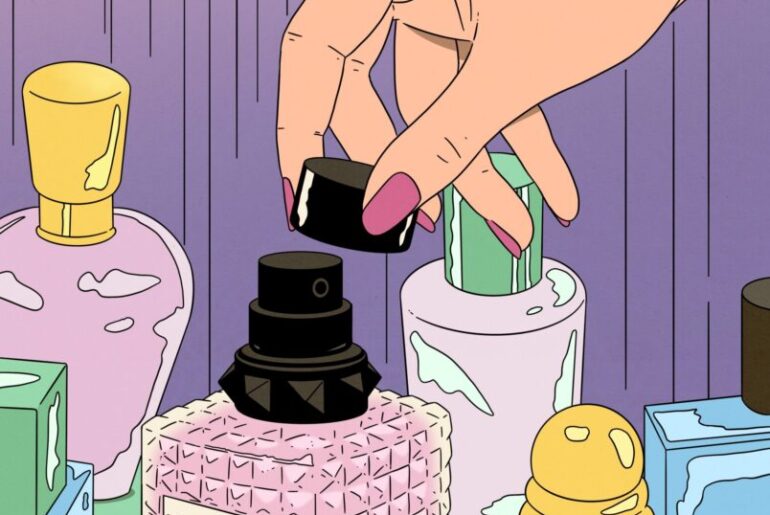
Perfume recalls: On a global scale, additional recalls underscore the importance of cosmetic regulatory vigilance. In the UK, as reported by The Independent, two designer perfumes, “Hello” by Lionel Richie and “Hot” by United Colors of Benetton, were pulled from shelves for containing butylphenyl methylpropional (BMHCA), an ingredient classified as toxic to reproductive health and therefore banned.
Soap and body sprays: In Canada, Kenora Miner and News reports that Health Canada issued a recall for “Shades of Grey” soap by Lake of the Woods Sunrise Soap Co. due to excessive levels of methyl eugenol, a potential carcinogen. Additionally, Axe body sprays and other aerosol products were recalled for missing mandatory hazard labeling.
These recalls highlight the global push for transparency and safety in the beauty industry, as regulators and brands work to protect consumers from harmful ingredients and misleading claims.
PACK Act Scrutinizes Recyclable, Compostable Label Claims
Speaking of claims, the introduction of the Packaging and Claims Knowledge (PACK) Act of 2025 in December aims to standardize sustainability claims across the U.S. This legislation seeks to eliminate misleading labels like recyclable or compostable unless backed by scientific evidence and third-party certifications. By creating a unified federal framework, the PACK Act’s intent reportedly is to reduce consumer confusion and promote genuine environmental responsibility.
Per Packaging Digest, the act also addresses the patchwork of state regulations that have long created inconsistencies in recycling and composting practices, making it difficult for businesses to operate efficiently across state lines. With support from major corporations like Kraft Heinz and Nestlé, the PACK Act is poised to transform how companies communicate their environmental impact, fostering a more transparent and accountable marketplace.
‘Year of Clarity’ for U.S. Cosmetic Regulations
The FDA is ramping up its enforcement strategy for beauty products, with 2026 being the “year of clarity,” as Kayla Cristales, an associate in the FDA Regulatory and Compliance Group for Haynes and Boone, LLP, labeled it, in an HBW Insight interview. Significant reforms and enforcement strategies are coming into focus.
For example, under the Modernization of Cosmetics Regulation Act (MoCRA), a proposed rule on fragrance allergen labeling is due in May 2026, as Registrar Corp. reported. The FDA is also leveraging its new authority under MoCRA to mandate recalls, as seen in its December 2025 draft guidance.
The FDA additionally is planning to target specific ingredients such as PFAS, formaldehyde and talc. In December 2025, the FDA released a report on the use of PFAS in beauty products, highlighting associated risks and signaling potential restrictions in 2026. In terms of formaldehyde and talc, however, the agency missed the deadlines on both accounts.
The formaldehyde ban for hair straighteners was anticipated by Dec. 31, 2025, per U.S. News and World Report, which clearly has come and gone. Also, the plan to finalize a rule on testing standards for talc-containing cosmetics was projected for March 2026 but the agency withdrew its proposal in November 2025 to first harmonize conflicting definitions among federal agencies of what constitutes talc.
Whether rules surrounding these ingredients come to fruition in 2026 has yet to be seen.
The Road Ahead: Consumer Trust and Corporate Responsibility
From sustainable packaging to rigorous product testing, the focus is shifting toward accountability and trust. Brands that fail to adapt risk losing consumer confidence and facing legal repercussions. However, this period of transformation also presents an opportunity for companies to lead by example, embracing innovation and sustainability as core values.