Last year, it felt like everyone was sleeping, breathing, and—quite literally—eating protein. But in 2026, fiber is poised to take center stage. At least some major food companies seem to think so. According to reporting from CNBC, PepsiCo is introducing new products like fiber popcorn and chips to grocery shelves this year, and Coca-Cola launched its own prebiotic soda in 2025.
Fibermaxxing is so popular with users on TikTok that it has its own description with FAQs under the search term on the platform. Plenty of videos mentioning the hack say that eating more fiber can have weight loss benefits and boost your chances of having a healthy gut.
Fiber is an indigestible carbohydrate that the body physically can’t break down. When your body is attempting to digest fiber, “it just speeds up and revs up your metabolism,” says certified nutrition and health coach, Hunter Stoler.
“As a result, you’re burning more calories, and you’re actually going to be full for a longer duration, because your body is trying to break down something that can’t be broken down.”
Additionally, “the gut has a favorite food, and that favorite food is fiber,” Dr. Kellyann Petrucci, a celebrity nutrition expert, told CNBC Make It in 2024.
Yet, research shows that most Americans aren’t getting enough of this key nutrient. In fact, less than 10% of U.S. adults meet the recommended daily intake of fiber, according to a study that was presented at Nutrition 2021 Live Online.
Adult women up to age 50 should eat 25 grams of fiber daily, and men in the same age range are recommended to eat at least 38 grams, per the U.S. Department of Agriculture. “Women and men older than 50 should have 21 and 30 daily grams, respectively,” according to Harvard Health Publishing.
Typically, U.S. adults are getting about 10 to 15 grams of total fiber daily, the Harvard health blog reported in 2019.
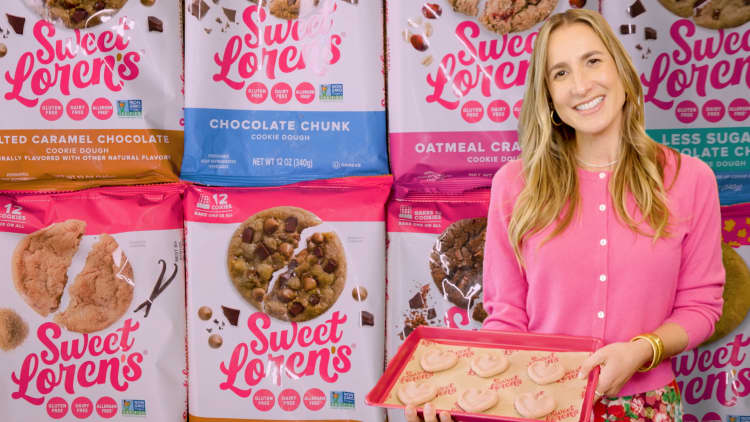
Here are a few simple ways that Stoler, who is known as “Health with Hunter” to his large social media following, suggests hitting your fiber goals each day.
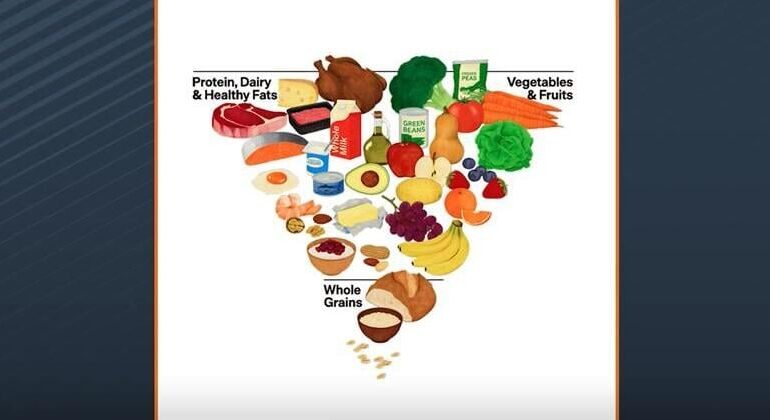
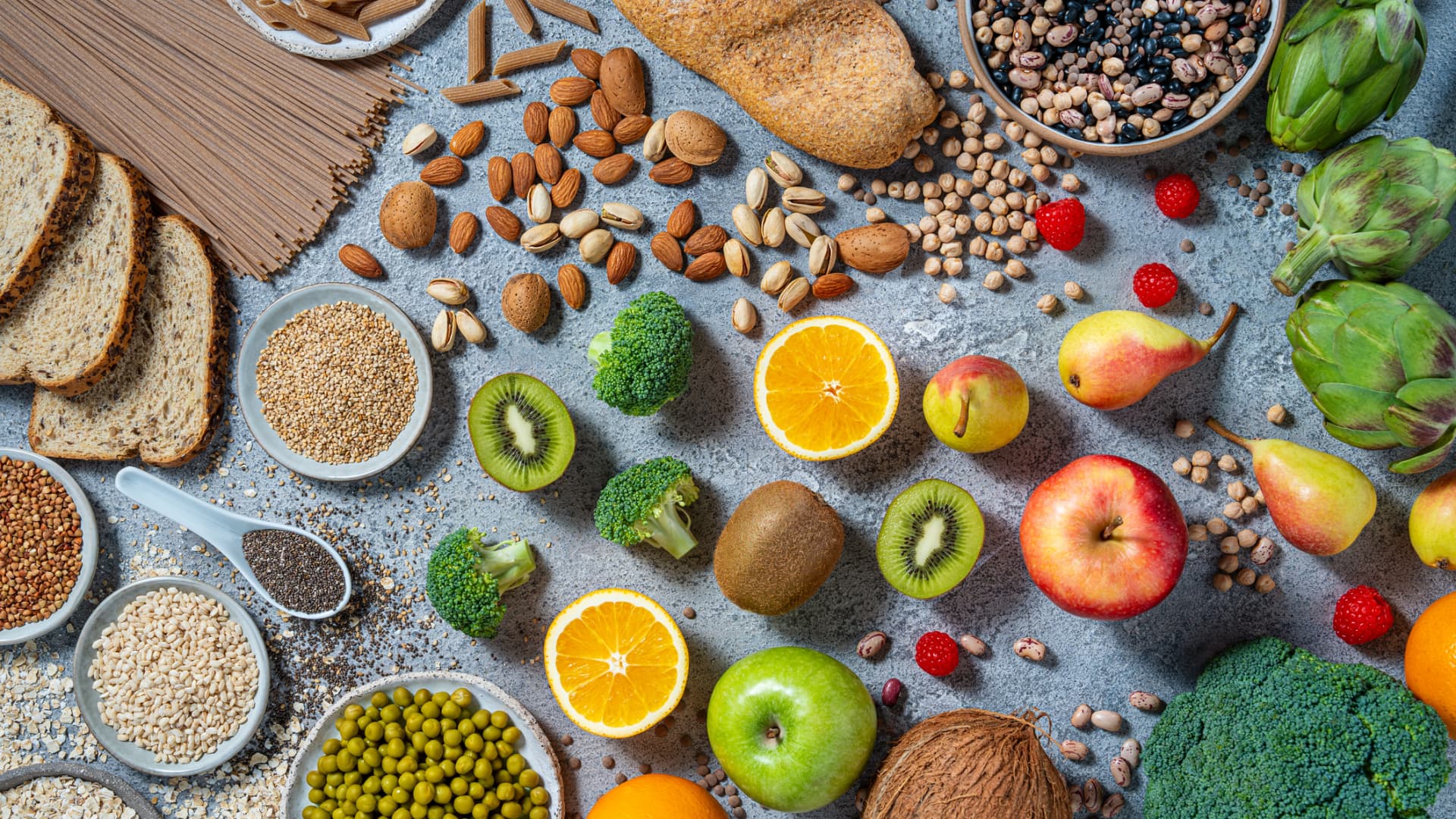
5 simple ways to get more fiber in your diet this yearEat more fruits and vegetables: Fiber-rich produce includes avocados, broccoli, leafy greens, berries, apples and Brussel sprouts, Petrucci said.Snack on foods with seeds, especially flax seeds and chia seeds. Stoler finds that certain crackers with flax seeds can have up to nine grams of fiber per serving. Nuts and beans can also be great sources of fiber.Drink probiotic sodas with high contents of fiber. Some have “between three and nine grams of fiber per soda, which is incredible,” Stoler says.Reach for breads and bagels with lots of fiber.Consider adding fiber supplement powders to your smoothies and yogurt. It’s important to talk to your doctor about whether you actually need fiber supplementation beyond what’s already found in your food.
“Fiber is found in so many natural, real whole foods that we as Americans are not getting enough of daily,” Stoler says. “It’s just about reading the labels at the grocery store and curating your fiber finds based off of what you like.”
When increasing your fiber intake, it’s important to drink more water, registered dietitian Mia Syn said in an interview with Make It this past July. Without proper hydration, fibermaxxing can cause constipation, diarrhea, abdominal cramps, bloating and gas, Syn said.
You should always consult with your doctor before making any major changes to your diet.
Want to get ahead at work with AI? Sign up for CNBC’s new online course, Beyond the Basics: How to Use AI to Supercharge Your Work. Learn advanced AI skills like building custom GPTs and using AI agents to boost your productivity today. Use coupon code EARLYBIRD for 25% off. Offer valid from Jan. 5 to Jan. 19, 2026. Terms apply.
Take control of your money with CNBC Select
CNBC Select is editorially independent and may earn a commission from affiliate partners on links.