A lack of an essential vitamin can occasionally present itself in ways that resemble a severe medical condition, making diagnosis challenging. This reality was highlighted by a neurologist from Apollo Hospital, Hyderabad, who shared an unusual yet instructive clinical experience involving a young patient whose symptoms raised multiple red flags.A Young Patient With Alarming Complaints A 22-year-old man visited the clinic with a combination of distressing issues. He described persistent tiredness, muscle weakness, abnormal sensations like tingling, and a reduced ability to tolerate physical activity. Alongside these neurological concerns, he also experienced heart-related problems such as rapid heartbeat and shortness of breath. Adding another layer of complexity, he had been dealing with ongoing digestive trouble, mainly frequent diarrhea.
Normal Tests, Worsening Symptoms What made the situation especially confusing was his medical history. He had already undergone extensive testing, including blood investigations, heart examinations, and neurological assessments. All results appeared within normal limits. He was young, did not drink alcohol, and had no history of intestinal surgery. Despite repeated reassurance, his condition continued to deteriorate rather than improve.
— hyderabaddoctor (@hyderabaddoctor)
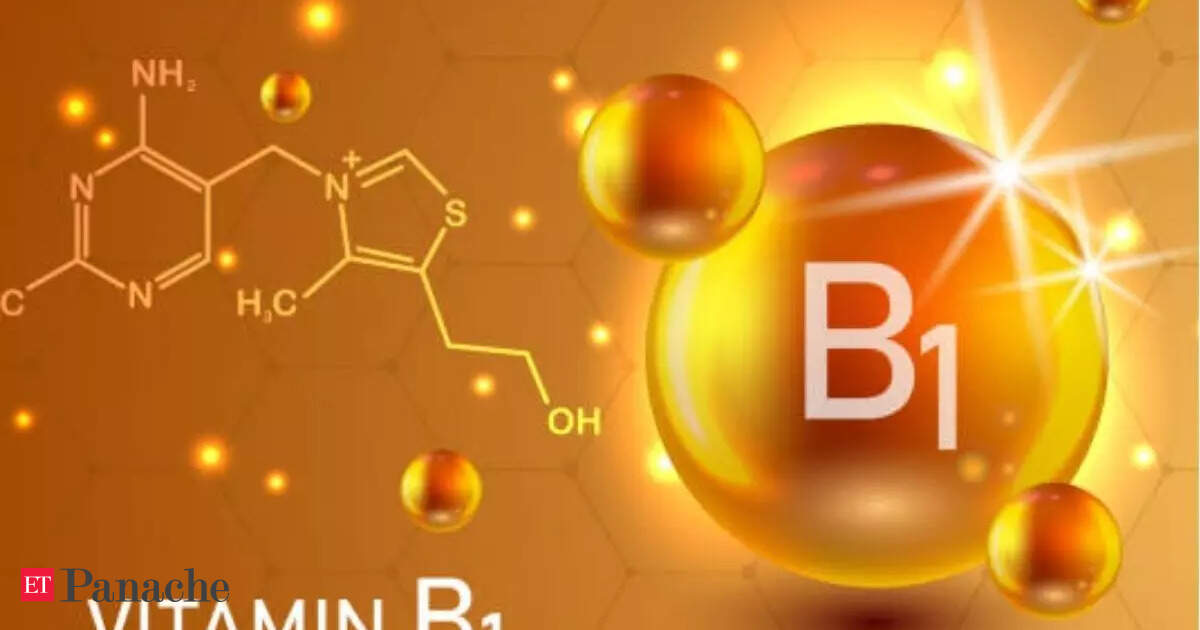
Rethinking the Obvious During a detailed clinical reassessment, an often-missed possibility came into focus: a deficiency of thiamine, also known as vitamin B1. Although commonly linked to alcohol dependence, thiamine deficiency can arise in other contexts as well. Acting on this suspicion, his vitamin levels were tested, revealing a clear deficiency.A Rapid and Remarkable Recovery Treatment was initiated without delay. The improvement was dramatic. Within weeks, his strength returned, his energy levels rose, heart palpitations eased, and mental clarity improved. Both neurological and cardiovascular symptoms showed clear signs of recovery. Finding the Hidden Cause The next challenge was understanding why a young, non-alcoholic individual had developed this deficiency. A targeted evaluation by a gastroenterologist uncovered an underlying intestinal disorder that interfered with nutrient absorption. This chronic malabsorption had quietly depleted his thiamine levels. Once the digestive condition was addressed, his recovery remained stable and lasting.
Why Early Recognition Matters This patient’s outcome was fortunate. If left untreated, thiamine deficiency can result in permanent nerve damage, severe heart dysfunction, or even fatal complications. Despite being easy to diagnose and treat, it remains frequently overlooked in everyday medical practice. Key Lessons for Everyone Vitamin deficiencies are more common than many assume and are not limited to alcohol-related causes. Ongoing fatigue, nerve disturbances, heart symptoms, or chronic digestive problems should never be ignored. Normal test results do not always rule out illness, and proper nutrition along with gut health plays a crucial role in overall wellbeing.Guidance for Young Medical Professionals Thiamine deficiency should be considered even in patients who do not fit the classic profile. Young individuals with unexplained neurological and cardiac symptoms deserve careful evaluation. Such deficiencies can develop rapidly due to poor intake or absorption. Since treatment is safe, affordable, and potentially lifesaving, it should never be postponed when suspected. Most importantly, identifying and correcting the underlying cause is essential.Listening as a Diagnostic Tool Medicine often favors those who pay close attention. Sometimes, the answer is not found in sophisticated imaging or complex tests, but in recognizing a neglected vitamin and applying thoughtful clinical judgment.
Add  as a Reliable and Trusted News Source