
Key takeaways on future beauty packaging trendsPaper and paper-based hybrids are moving from niche to mainstream in beauty packagingConnected packaging and AI-driven material selection are becoming essential for compliance and sustainabilityPersonalisation, subscription models and modular systems are shaping future packaging designRefill models will survive, but only if convenience, design and education improve
Changing regulations and consumer demands are forcing beauty and personal care brands to re-evaluate their packaging. Take a look at these expert insights on what could come next in this space…
Paper use will accelerate for beauty packaging
Nick Seston, Head of Creative Production at UK bespoke packaging design agency Think Tank Creative, said paper continues to be the simplest yet most effective solution in sustainable packaging.
“As brands shift away from plastic in a bid to reduce environmental impact, we at Think Tank are seeing an overwhelming number of businesses turning to paper as their first port of call,” he said.
“It’s cost-effective, highly versatile, widely recyclable, and far less carbon-intensive than plastic alternatives.”
Seston said he believes this movement will accelerate in 2026 and beyond. He stated that packaging is being reimagined with moulded paper pulp, which was once too expensive due to high mould costs.
“Thanks to tech advances and increased demand, this form of packaging is now far more accessible,” he said.
He expects the range of applications for paper and paper-based hybrids to continue expanding, from luxury packaging to industrial protective solutions.
“This paperisation trend is no longer just a ‘nice-to-have’, it’s fast becoming a standard in responsible packaging,” he said.
Other sustainable materials Seston highlighted include sugarcane fibres, coconut husks and even fruit pulp packaging.
“These materials aren’t just novel, they’re biodegradable, renewable, and often derived from waste streams, giving them a lower overall environmental footprint,” he said.
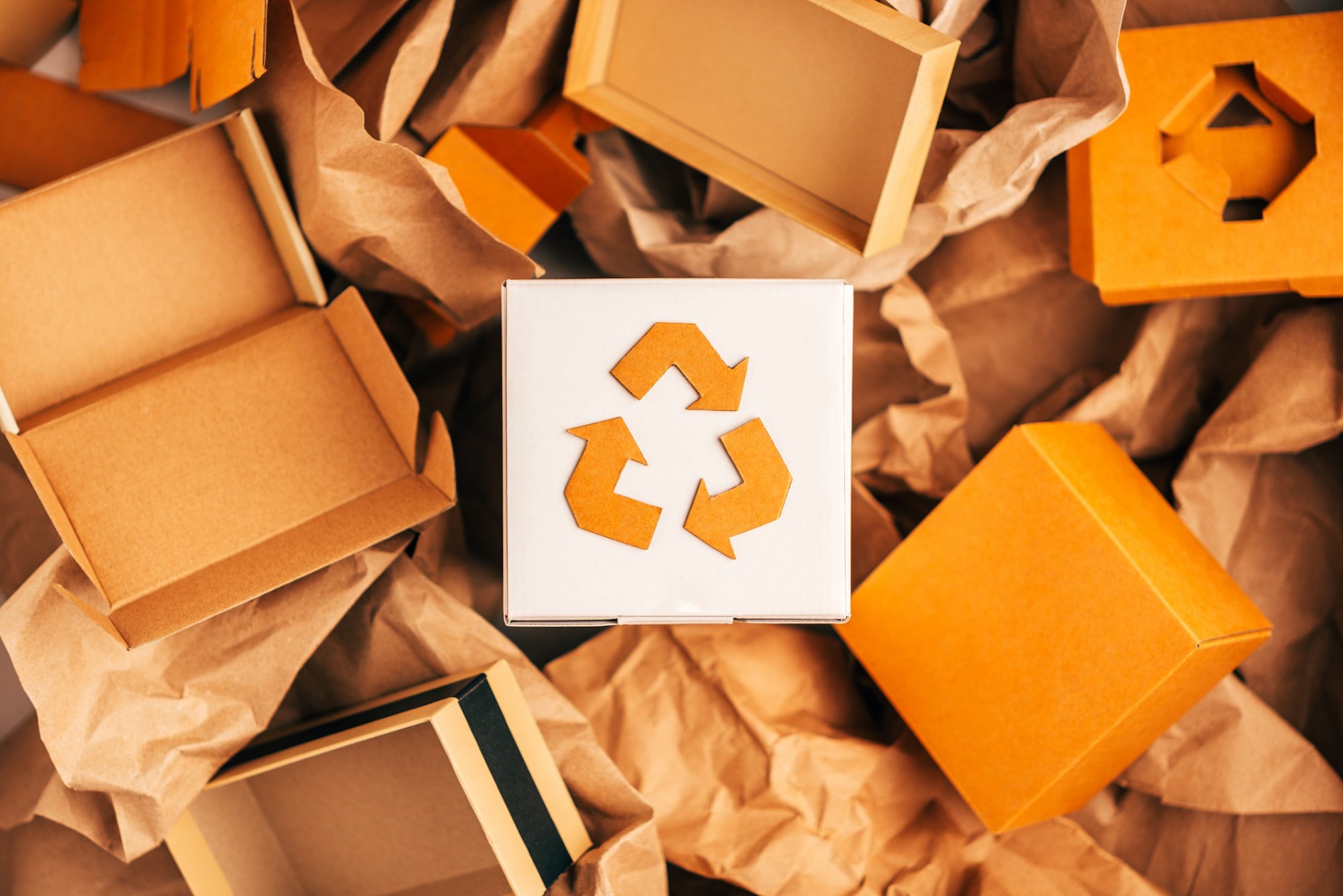 Paper packaging is being reimagined with moulded paper pulp, which was once too expensive due to high mould costs. (OlegKov/Getty Images/iStockphoto)Connected packaging will continue to gain traction
Going forward, beauty brands should not overlook the importance of connected packaging, said Jenny Stanley, Managing Director at connected packaging company Appetite Creative.
Stanley said the cosmetics industry currently faces critical challenges. Operationally, 90% of environmental impact is decided at the design phase, yet only 2% of plastic packaging gets recycled back into packaging. Small containers, complex shapes and mixed materials complicate recycling, while premium aesthetics and strict regulatory compliance remain non-negotiable.
Stanley said that while brands recognise the sustainability benefits, consumers often don’t understand these innovations. When sustainability investments lack consumer buy-in, she said, it results in wasted spend.
“AI can systematically analyse environmental impact, recyclability, cost and performance of packaging materials,” she explains.
“It integrates supplier data, environmental databases and compliance requirements to recommend optimal materials for your specific product needs.”
Stanley highlighted that L’Oréal has built an entire AI-powered sustainability operating system that guides every decision from ingredients to packaging based on environmental impact.
“They’ve implemented three AI layers, the first is material science that maps every product’s environmental footprint in real-time and recommends lower-impact alternatives without sacrificing performance,” she said.
She added that formula innovation that discovers sustainable ingredients and optimises formulations for lower waste and energy is not yet in use, but is likely to come soon. While performance validation that predicts real-world outcomes before production can also prevent costly failures and ensure premium quality. Both approaches, she said, enable sustainability decisions to be backed by data rather than guesswork.
“Alongside sustainability and cost pressures, the regulatory landscape is forcing change whether brands are ready or not,” said Stanley.
“Beauty brands face GS1 Sunrise requirements replacing barcodes with QR codes by 2027 and Digital Product Passports by 2030. Connected packaging isn’t optional, it’s becoming a regulatory necessity.”
It’s also important to bear in mind that brands must now implement Extended Producer Responsibility by tracking and reporting packaging lifecycles, and provide consumers with full transparency on materials, recyclability and carbon footprint through Digital Product Passports.
 Sustainability and cost pressures, as well as regulatory landscape changes are forcing beauty brands towards connected packaging. (Sitthiphong/Getty Images)Focus on tailoring, personalisation and subscription models
Seston said demand for personalised and subscription-based products continues to grow across CPG categories, with packaging playing a crucial role in making these offerings both more sustainable and more enjoyable.
“Customers increasingly expect both functionality and thoughtful design in their purchases, especially if they’re being delivered monthly or quarterly,” he said.
Packaging that is minimal, attractive and, most importantly, reusable or compostable is becoming the norm among successful subscription brands.
“Think reusable tins for skincare or protein powders, and stainless-steel scoops replacing single-use plastic measures. These enhancements not only reduce waste but offer long-term savings for both brands and consumers,” he explained.
“We also foresee the rise of modular packaging systems, designed to work across multiple product lines, where only the refill component changes,” he continued.
Seston also said this could lead to closed-loop packaging options, where customers return used components for sterilisation and reuse.
He noted that personalisation now goes beyond names on boxes and extends to delivery cadence, product selection and even seasonal packaging themes.
“In 2026, smart packaging tied to AI-driven consumer insights will help brands predict what their customers need and when, reducing overproduction and improving satisfaction,” he said.
It’s time to rethink the refill model
Seston also forecasts that while the refill model won’t disappear, it will need reinvention in 2026.
“Refill models seemed like the perfect answer to plastic waste in the beauty industry, but the reality has been more complex,” he said.
“While the concept is environmentally sound, the execution hasn’t quite resonated with the majority of consumers. From unclear instructions to unattractive refill formats, many brands launched refill schemes without fully understanding their customer base.”
He predicts brands will increasingly shift towards passive refill models, where refills are built into subscriptions or automatically delivered before a product runs out. This approach reduces friction and encourages ongoing participation.
“We also expect a rise in refill pop-ups or in-store refill stations paired with loyalty rewards,” he said.
“Refill solutions must feel just as luxurious and convenient as their single-use counterparts.”
He added that beauty brands must invest in stronger user education, sleeker refill designs and smarter product development to ensure long-term success.
“Refill models won’t succeed unless they cater to lifestyle and convenience, not just sustainability,” he said.
“With deeper consumer insights and better design, this model could still thrive, especially in categories like skincare, haircare and even home fragrance.”



![[From Japan] An Unprecedented Skin Beauty Experience Just by Showering.](https://www.vitaminrush.com/wp-content/uploads/2026/01/1768561053_1768335835-770x515.jpg "[From Japan] An Unprecedented Skin Beauty Experience Just by Showering.")