TikTok’s latest wellness trend has users joking that they’re “becoming Chinese,” a phrase that might raise cultural appropriation concerns at first glance. But many Chinese creators are not only driving the trend, they’re openly celebrating it.
From eating soup for breakfast to embracing traditional Chinese wellness principles, Americans on TikTok are adopting habits long rooted in Chinese culture, with Chinese users cheering them on for finally prioritizing hydration and nourishment.
TikTok is “becoming Chinese”
Last week, TikTok videos about “becoming Chinese” began to go viral. Those conscientious of the ills of cultural appropriation probably tense up a little at that phrase, but it’s Chinese TikTokers themselves who are fueling this trend.
“Tomorrow, you’re turning Chinese,” said Sherry (@sherryxiiruii) in a video that’s gained 1.7 million views since last Monday. “I know it sounds intimidating, but there’s no point fighting it now—you are the chosen one.”
This isn’t like the “I Think I’m Turning Japanese” craze from the 1980s. People of all races and nationalities are exploring traditional Chinese medicine, common eating habits, makeup styles, and clothing.
There are a lot of tips for keeping warm in the winter, which is perfect for Northern Hemisphere residents right now.
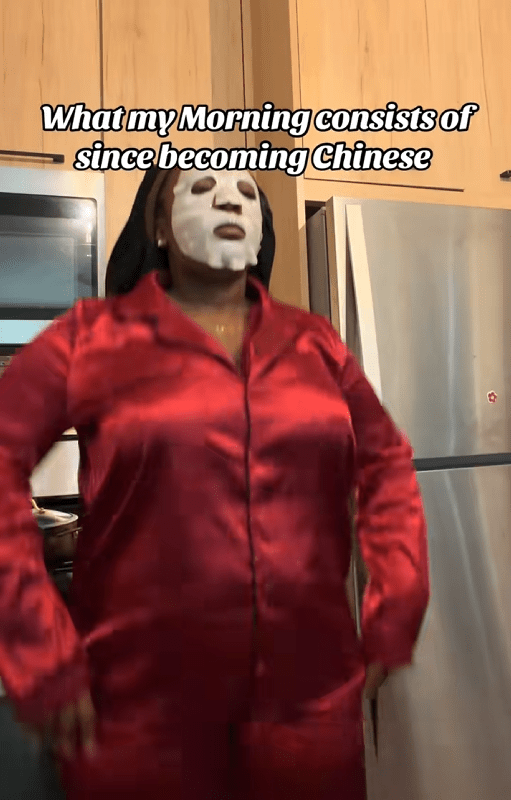
Black Women in particular appear to be embracing the trend in droves, sharing their “morning routines since becoming Chinese.”
The trend stretches back into 2025 with popular videos riffing on an iconic line from Fight Club.
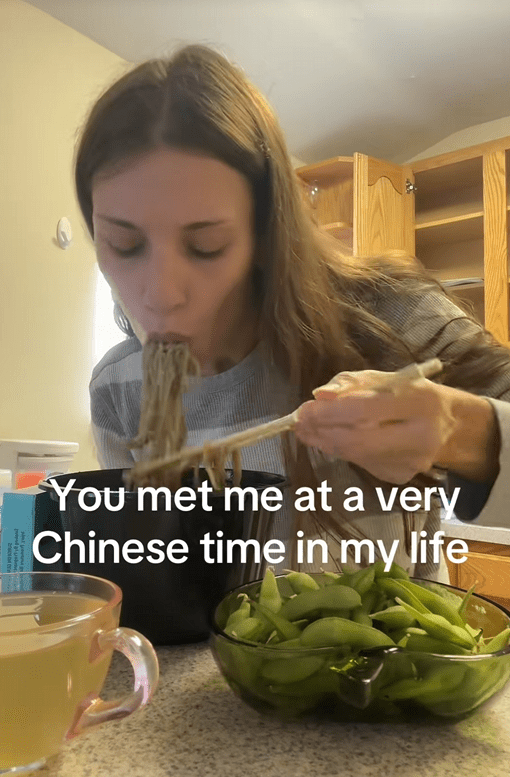
“You’ve met me at a very Chinese time in my life,” they declare.
How to get a little Chinese with it
Much of the “becoming Chinese” trend focuses on wellness. China has a long history of medical innovations that predates the existence of the U.S. by centuries. Their physicians were likely the first to practice the precursor to vaccination, called variolation, to inoculate people against deadly viruses like smallpox.
A significant part of their approach to health focuses on avoiding exposing one’s body to unnecessary shocks, such as sudden cold. That’s why becoming Chinese pretty much requires drinking hot water instead of iced. Since the internal human body already rests at a high temperature, the theory is that consuming hot drinks causes it less stress.
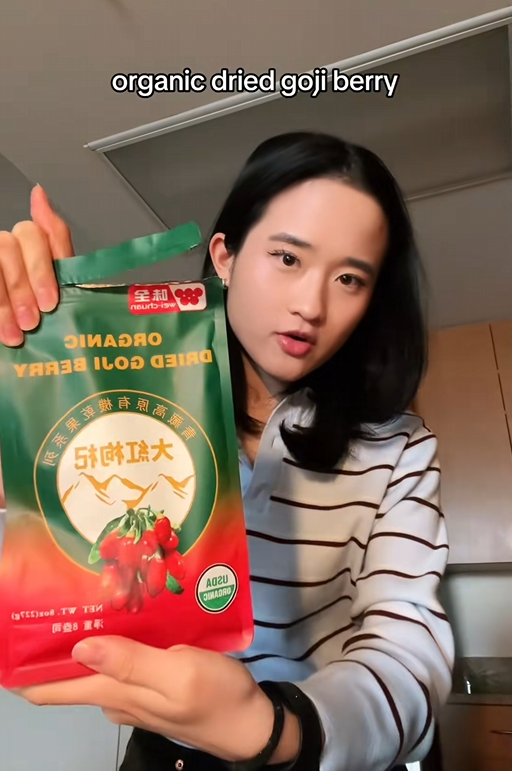
Outside of teas and hot water with lemon, boiling apples, red dates, and goji berries is a common practice in China. Sherry likes to add a few dried goji berries to her hot water thermos to sip throughout the day.
Hydration is also key. Hot soups are a big deal in China for a reason.
Another favorite is eating a big breakfast. Forget the cold yogurt or single bagel—your body needs real fuel to wake up, so commit to that first meal of the day.
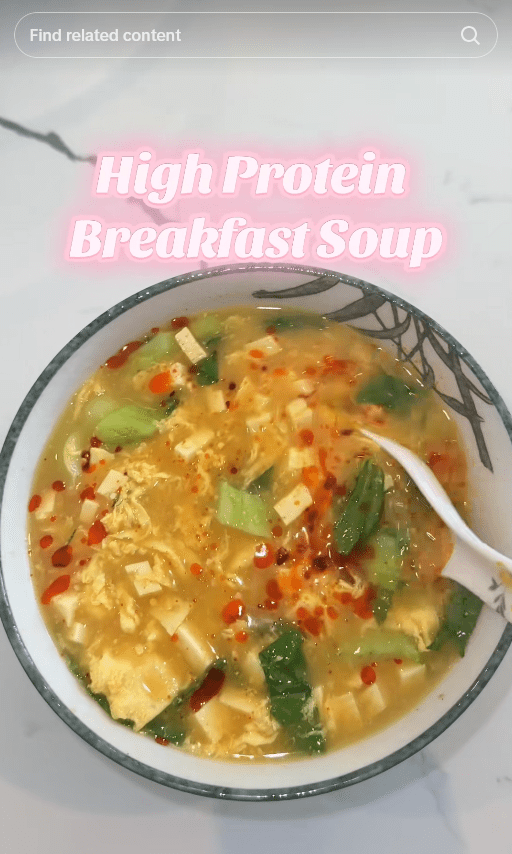
Combine that with the focus on hydration and heat, and you get soup for breakfast. TikToker @invalidusernamesorry has a high-protein recipe with eggs, bone broth, tofu, miso paste, and baby bok choy.
Douyin-style makeup tutorials are also doing serious numbers this week.
 @.ephxnyyl/TikTokThe cultural appropriation question
White people in particular may find themselves hesitating to become Chinese. Debates around cultural appropriation got intense in the 2010s, and many remain confused on what the term means.
To cross the line into appropriation, many definitions stress that the adoption of elements of a culture to which you don’t belong by birth must be disrespectful and exploitative.
These terms themselves are subjective, but interested parties can take comfort in the fact that many Chinese TikTokers are welcoming the “becoming Chinese” trend.
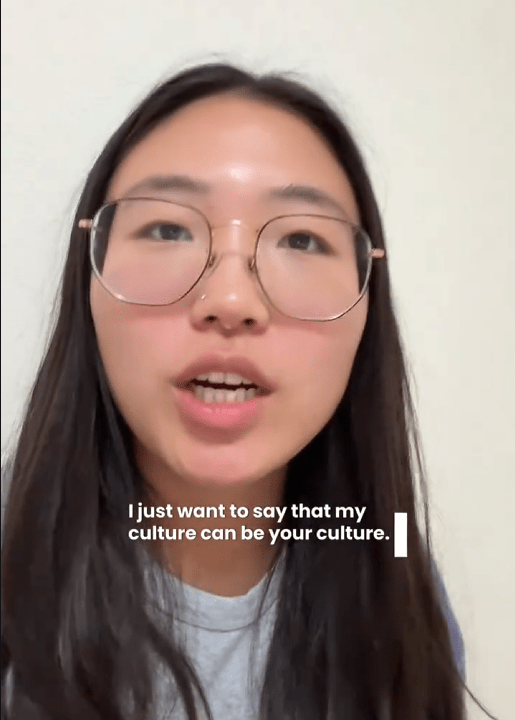
“I see a bunch of Americans drinking hot water with lemon and honey, eating congee, drinking hot pot, drinking more soup, eating Chinese vegetables,” said @emmapeng0619 in her viral video. “I just want to say that my culture can be your culture. You’re doing really good hydrating yourself. I’m proud of you.”
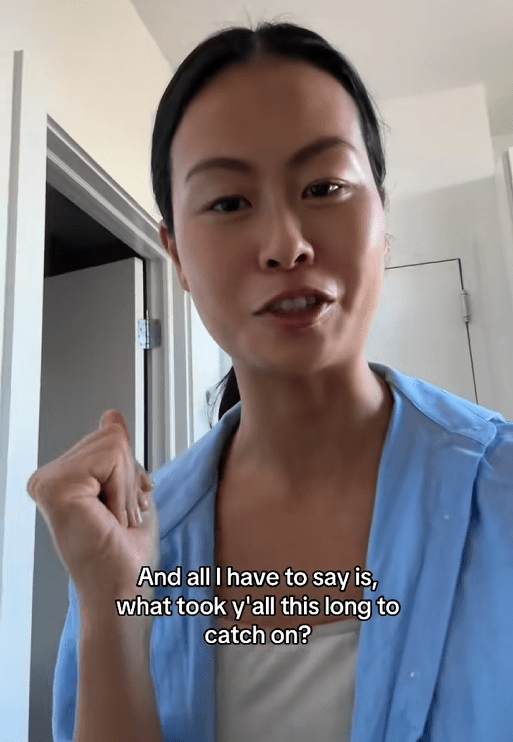
Acupuncturist Lynn (@welcometolynnslife) simply asked, “what took y’all this long to catch on?”

The Brandon Gonez Show featured multiple Chinese content creators who are thrilled to see other people embracing aspects of their culture.
Exploiting a culture typically means profiting from it without credit. Vanessa Li (@vnessali) spoke out against cultural appropriation in terms of retailers copying traditional Chinese fashion without mentioning its origins.
“Appreciation is welcome,” she explained, “but when a brand chooses to profit from another culture without credit, without context, and without even using the right terms to name it, that’s not appreciation. That’s appropriation.”