How new recommendations could change school lunches, and how nutrition experts are responding.
PORTLAND, Maine — President Donald Trump’s administration has released new dietary guidelines for Americans, including a new food pyramid. This guidance will impact what students are served for lunch in Maine.
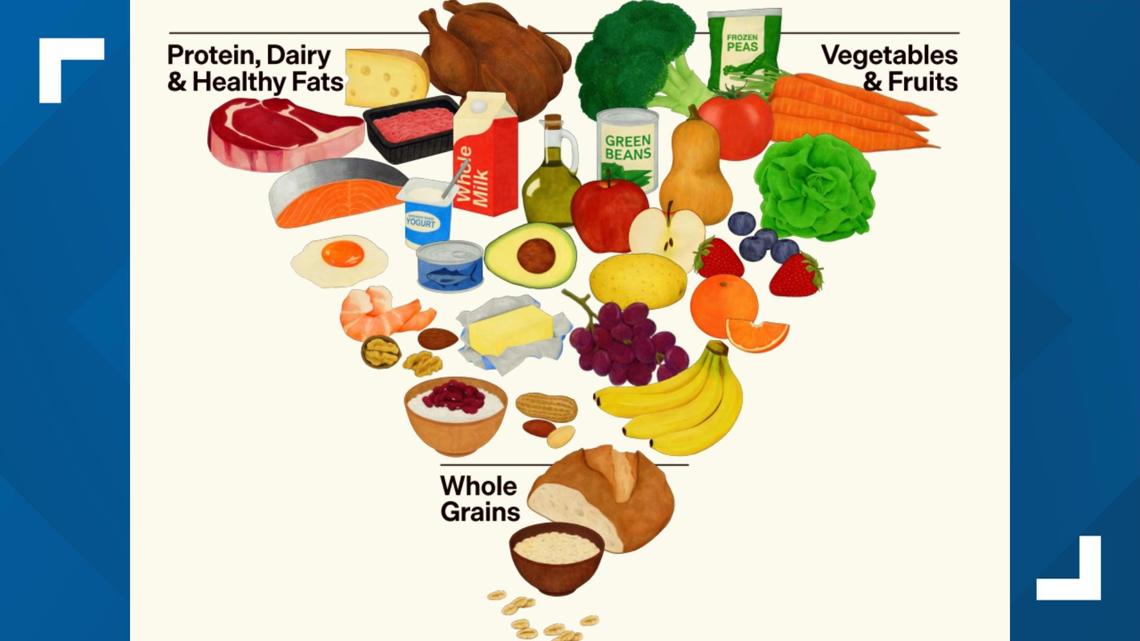
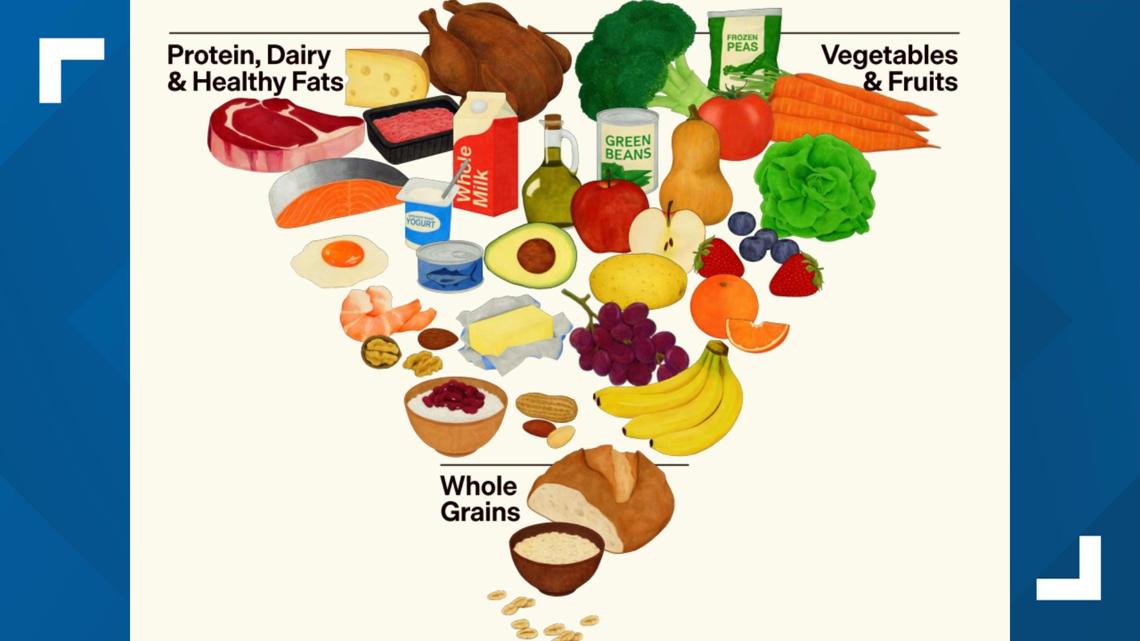
The new food pyramid from the U.S. Departments of Agriculture and Health and Human Services is inverted, flipping around a lot of food recommendations too.
It puts meat and dairy on top as healthy diet priorities, while previous models ranked these foods lower. Fruits and vegetables remain high up on the pyramid, while whole grains are lower in priority.
The pyramid does not show how much of these foods Americans should eat.
The first food pyramid, launched in 1992, showed how much of each food group Americans should eat, emphasizing grains like bread and rice, then fruits and veggies, and less meat and dairy.


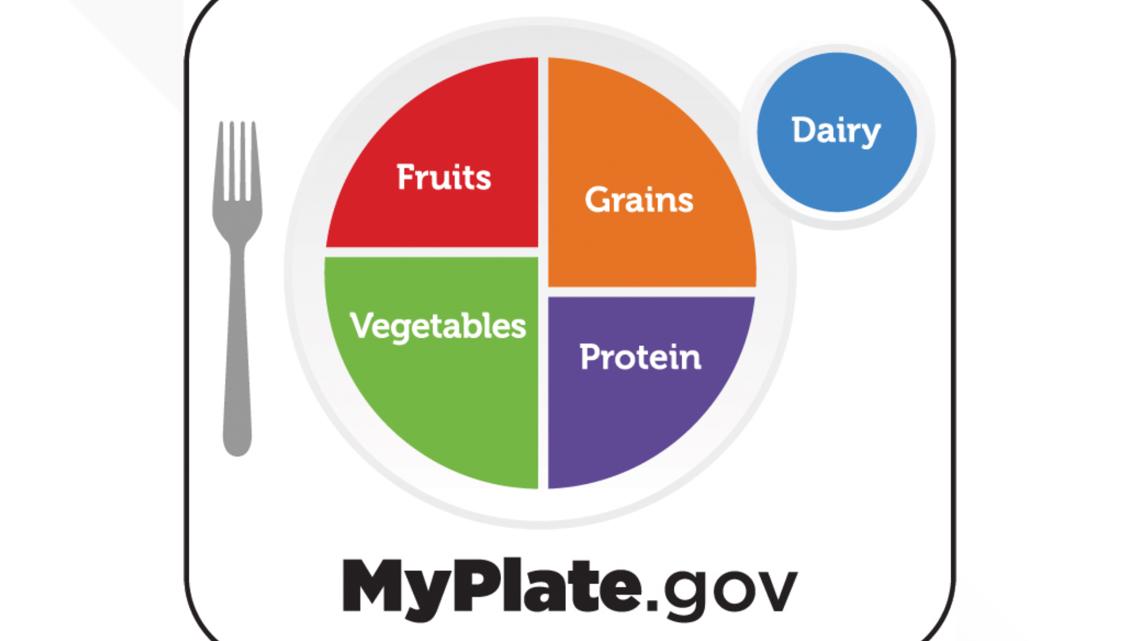
The “MyPlate” model showed how much of different foods people should have on their plate. That is the guide that had been used since 2011, suggesting people’s biggest portions should be vegetables and grains, followed by fruits, protein, and dairy.

The message of the new model and guidelines from the USDA is “eat real food.” Officials more strongly recommend avoiding highly processed foods like cookies and chips, opting for fresh foods and home-cooked meals instead.
They also encourage full-fat dairy items and about double the recommended portion of daily protein.

Michele Polacsek, a professor of public health at the University of New England, said there are some guideline changes she thinks are positive.
“What I’m more happy about in these guidelines is the emphasis on real food, whole foods, and less processed foods for one’s diet. That’s a meaningful step in the right direction,” Polacsek explained.
But she said she has some concerns about putting red meat and dairy at the top of the pyramid.
“Red meat and full fat-dairy have saturated fat in them, and most people in this country, including children, already consume too much saturated fat,” she said. “Promoting red meat and full-fat dairy both for adults and children will just mean that they’ll be at higher risk for heart disease and other chronic conditions.”
RELATED: A new food pyramid has been released. Here’s what it says you should eat
She added that it is important people eat enough protein, but there are many ways to consume protein without extra fats.
Looking at what this guidance will mean in Maine, the primary thing the new recommendations impact is school lunches. The National School Lunch Program Meal Pattern, the guide for what’s served in schools, is based on these recommendations.
Polacsek said schools could end up serving more meat and dairy and less ultra processed foods. She said significantly reducing processed foods would be hard for many schools to adopt.
“Schools don’t have the equipment or personnel to do more scratch cooking; that is a problem,” Polacsek said. “I think it’s a little bit unrealistic to expect schools will be able to follow these guidelines.”
The Maine Department of Education said it is awaiting further guidance from the USDA, and any changes to school lunches would not take effect until the 2027-2028 school year.
For more local stories continue with us on our NEWS CENTER Maine+ streaming app.