In 2021, around 1.25 million people died from diarrheal diseases. Around a third of these deaths were children.
Two main factors explain why so many children still die from diarrhea, especially in poor countries: the persistence of risk factors such as poor sanitation and unsafe water, and the lack of access to effective treatment.
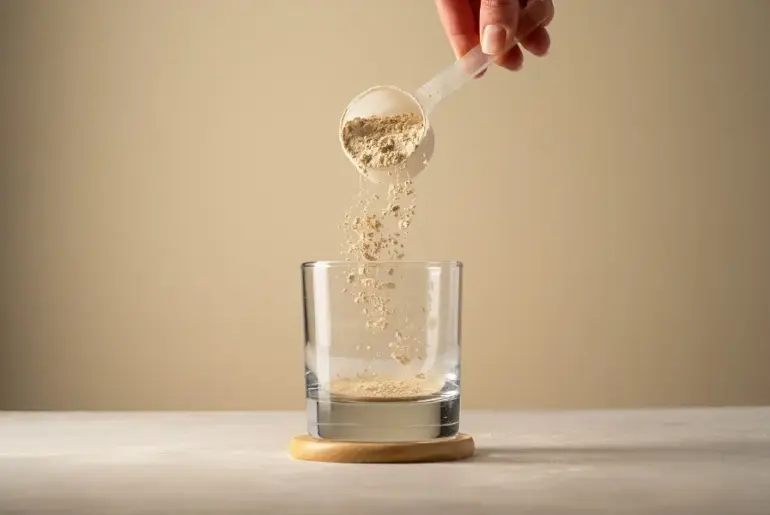
Here, I want to focus on the second factor: access to a particularly effective treatment, known as oral rehydration therapy (ORT), which is essentially a mixture of clean water, salts, and sugar. Simple as it may sound, researchers writing in the medical journal The Lancet called ORT “potentially the most important medical advance of the 20th century.”
The chart shows how often this treatment is used in a selection of African countries. This is based on household surveys asking caregivers of children under five who recently had diarrhea whether they received ORT.
There are large gaps: in Chad and Cameroon, fewer than one in five children with diarrhea received the treatment. This reflects a mix of challenges, including low awareness of its benefits and expensive or inconsistent supply.
Importantly, though, the chart also shows that rates are much higher in Sierra Leone, where around 85% of children received ORT. This shows that much higher coverage is possible. Sierra Leone has implemented several successful policies, including free treatment for children.
Not every child with diarrhea needs this treatment — some recover without it, depending on their health and circumstances. But ORT is cheap, safe, and easy to give. In low-income settings, especially, offering it widely as a cheap preventive measure can make a big difference for those who need it.
Read more about oral rehydration therapy, a low-tech solution that has saved millions of lives.