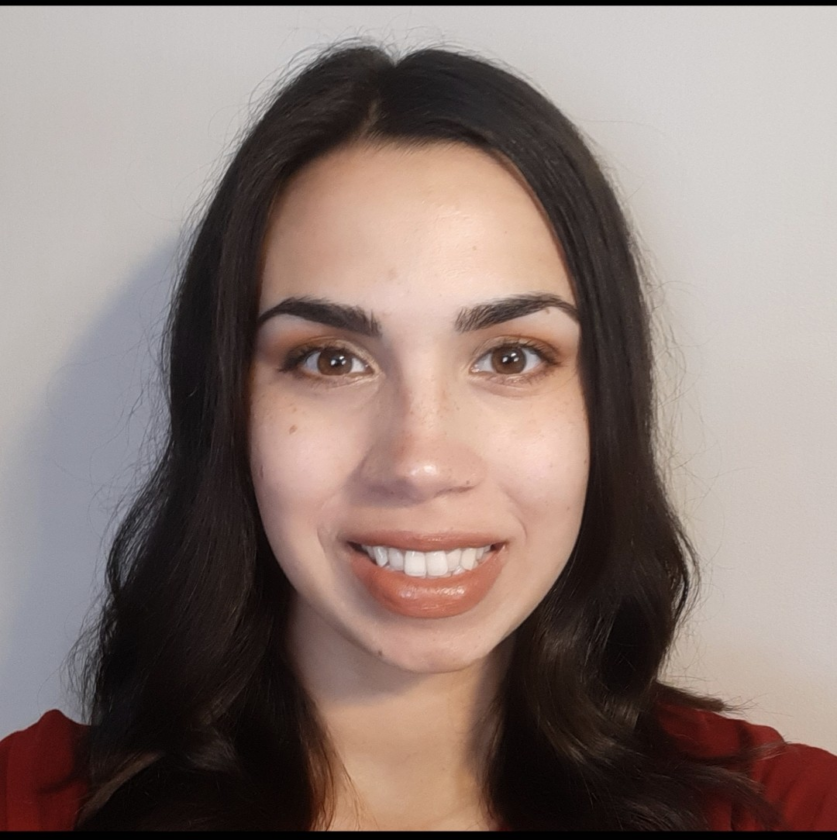
Courtesy photo
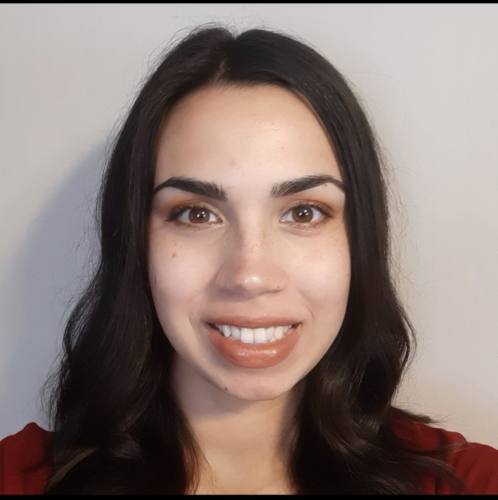
Leah Elston
ALPENA – Leah Elston, MyMichigan Medical Center Alpena registered dietitian, said that the new nutrition guidelines, announced by the U.S. Department of Health and Human Services (HHS) on Jan. 7, may confuse people.
Elston explained that she was initially surprised how short the guidelines were at 10 pages compared to the prior 164 pages. She said that it might be for “simplicity’s sake.”
“I can get on board with that,” Elston said. “In addition to that, I think it could be, potentially, a little confusing.”
Elston said the new food pyramid “doesn’t quite match up” with the guidelines HHS unveiled earlier this month. She explained that the federal guidelines state that saturated fats should not make up more than 10% of an individual’s diet, which is aligned with the previous guidelines.
However, Elston stated that there is a large portion of the pyramid that is dedicated to full fat dairy, for example.
“I would clarify, just like with the old dietary guidelines, no more than 10% of saturated fats,” Elston said. “The new guidelines say the same thing.”
She explained that there is “certainly room in the diet for those types of foods,” referencing foods such as full fat dairy and red meats.
“It’s important to remember that these are guidelines to adapt to cultures,” she said. “I make sure that I emphasize nutrient dense food, sticking with recommendations to limit saturated fats and processed foods.”
She said that “increasing attention to fiber” is also an important aspect of a balanced, healthy diet.
Elston said that she believes that people sometimes get a “little too tunnel vision on a specific food or nutrient,” in regards to whole milk, for example.
“You can make room for those things,” she said. “If the rest of the diet is very plant based … a glass of whole milk at breakfast is fine.”
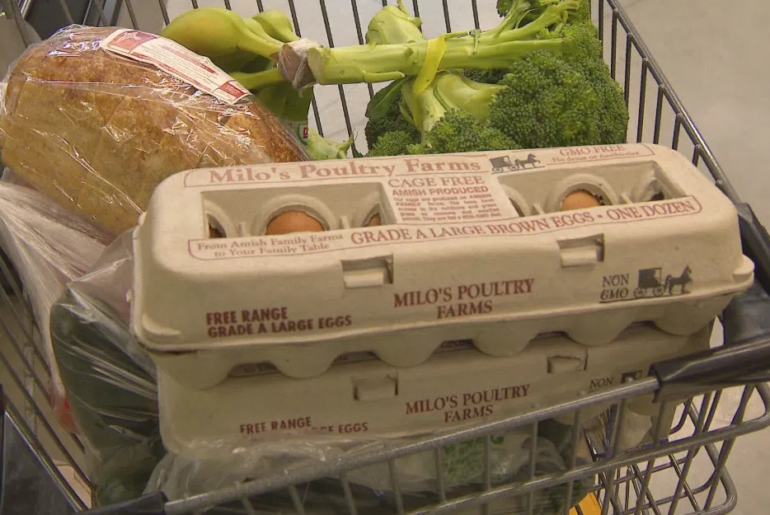
Elston said that she believes that Americans are struggling with buying groceries and patients often tell her that they can’t afford healthy foods.
“Access could certainly be an issue,” she said. “People forget that frozen fruits and canned vegetables can be affordable options.”
Elston also said that she believes that medical education is improving in its approach to teaching nutrition to future medical professionals.
“I’ve also heard that the profession is making strides in improving that,” she said. “There is room for improvement.”
She added that there is “so much misinformation on the internet” from where people get nutrition advice, and especially from social media influencers who act as authorities on the subject of nutrition.
Kayla Wikaryasz can be reached at 989-358-5688 or kwikaryasz@TheAlpenaNews.com.
Today’s breaking news and more in your inbox