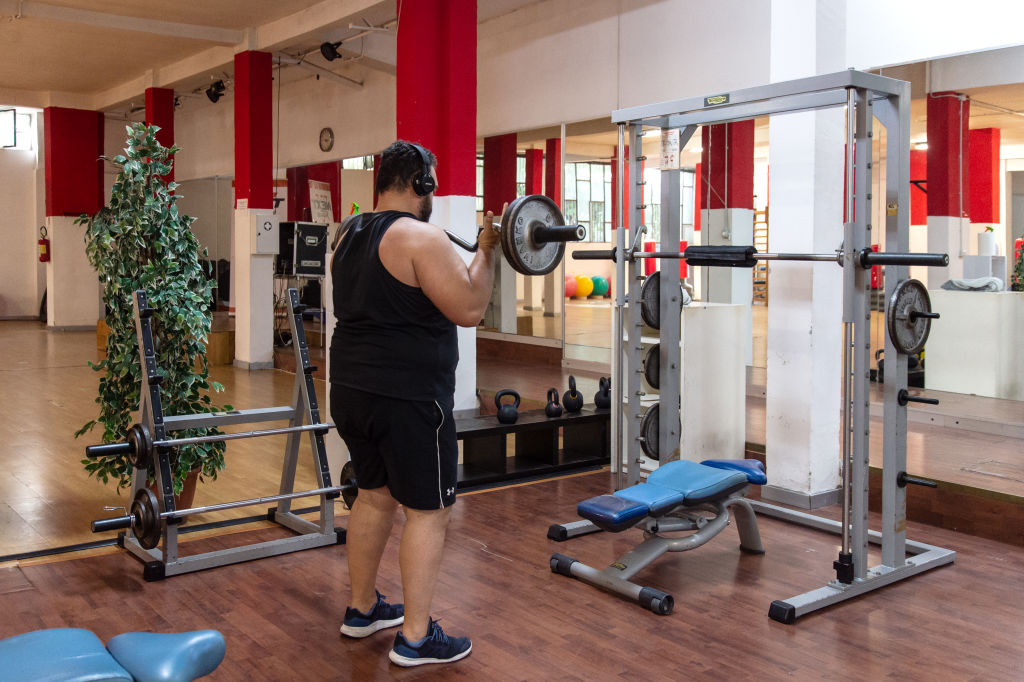
Obesity remains a global public health challenge that demands multifactorial interventions, including lifestyle changes, endoscopic and surgical approaches, and pharmacologic therapy. Glucagon-like peptide-1 receptor agonists (GLP-1s) have revolutionized the management of obesity, with promising outcomes in appetite regulation and weight reduction, but these agents can contribute to a significant loss in lean muscle mass when not paired with lifestyle modifications.1,2 Rather than replacing lifestyle interventions, GLP-1 therapy should be combined with structured physical activity with resistance training to allow patients to maintain lean body mass, enhance their metabolic health, and prevent their loss of functional independence. Otherwise, patients risk losing not just fat but also muscle, potentially compromising long-term outcomes.
Mechanism of GLP-1 Receptor Agonists in Weight Loss
GLP-1 is an incretin hormone secreted by the intestinal L-cells in response to nutrient intake.¹ It enhances glucose-dependent insulin secretion from pancreatic beta cells, suppresses glucagon secretion from alpha cells, slows gastric emptying, and increases satiety via central nervous system pathways.¹ Pharmacologic GLP-1s mimic these actions and have shown remarkable results, inducing weight loss and improving glycemic control. The STEP 1 trial reported that once-weekly semaglutide led to a mean weight reduction of nearly 15% over 68 weeks in nondiabetic patients.¹ Similarly, the SURMOUNT-1 trial of tirzepatide demonstrated weight loss exceeding 20% in some participants.²
Beyond weight loss, GLP-1s can have cardiovascular benefits, including reductions in blood pressure, improved lipid profiles, and decreased inflammation.3,4 These findings are particularly important for patients with obesity-related comorbidities.
However, both the STEP 1 and SURMOUNT trials showed that approximately 30% to 40% of the lost weight was lean body mass, raising red flags about muscle preservation and long-term metabolic health. To maintain physical conditioning and musculoskeletal strength, patients need to engage in active movement and resistance training.3,4
The Role of Exercise: Beyond the Scale
Exercise is fundamental to maintaining lean mass during any weight reduction program.5 Resistance and aerobic training stimulate muscle protein synthesis and increase the basal metabolic rate, helping counteract the catabolic effects of calorie restriction and pharmacologic appetite suppression.6,7 Without exercise, patients on GLP-1 therapy are at greater risk for sarcopenia and functional decline.
Physical activity also improves insulin sensitivity and cardiovascular fitness.5 Incorporating even modest levels of physical activity can significantly enhance quality of life, reduce depressive symptoms, and increase long-term adherence to healthy behaviors.5 Patients should be educated that exercise complements the weight loss achieved through medication by reshaping the body, improving energy levels, and preventing the all-too-common “skinny fat” phenotype—weight loss with excessive muscle loss and poor fitness.8,9
Consider this vignette: A 52-year-old female with a BMI of 37 and newly diagnosed with prediabetes is started on semaglutide. Within 3 months, she loses 12 lb but reports fatigue and recent difficulty rising from chairs. A review of her body composition reveals a 30% loss of lean mass. After initiating a structured resistance training program with support from a nurse practitioner (NP)/physician assistant (PA) and an exercise physiologist, she regains strength and loses an additional 6 lb of fat mass over the next 8 weeks. This case illustrates how exercise safeguards against functional decline during pharmacologic weight loss.
The integration of GLP-1 therapy with regular exercise produces additive benefits (Table). Combining caloric restriction with both aerobic and resistance exercise preserves more lean mass and improves cardiovascular markers in older adults with obesity than either intervention alone.8 Patients treated with semaglutide who participated in resistance training maintained greater muscle mass than those who did not participate in an exercise program.3
Although GLP-1 therapy reduces caloric intake and body weight, exercise shapes the composition of that loss, prioritizing loss of fat over muscle and promoting healthier outcomes. Furthermore, some evidence suggests that by reducing appetite-related distractions and improving overall well-being, GLP-1 receptor agonists may indirectly support exercise adherence, particularly when combined with behavioral support and structured activity plans.10,11
Table. Comparison of GLP-1 Therapy With vs Without Exercise
ParameterGLP-1 therapy aloneGLP-1 with structured exerciseLean body mass status↓ Significant loss (30%-40%)¹↑ Preserved via resistance training5,8Metabolic rate↓ Risk for decline with weight loss3↑ Maintained or improved6Cardiovascular benefits↓ Blood pressure, lipids improved3↑ Additional benefits from exercise7Functional status↓ May impair mobility3↑ Strength, endurance, mobility3,8Adverse effectsGI symptoms, fatigue may deter activity1,2Physical resilience improved; symptom management possible9Based on references 1-3 and 5-9.
Clinical Implications
NPs and PAs should counsel patients beginning GLP-1 therapy on the necessity of lifestyle modification, particularly exercise. A practical recommendation is to aim for at least 150 minutes of moderate-intensity aerobic exercise per week, combined with resistance training twice per week.9 Emphasize that physical activity is not merely about additional calorie expenditures but a critical tool to prevent muscle loss, preserve functionality, and maintain long-term weight goals.
Tailoring exercise recommendations based on patient characteristics is essential to optimize adherence and outcomes.
Adults with mobility limitations can benefit from…
Flip
…aquatic therapy, seated exercises, or guided sessions with occupational therapists.
Sedentary adults may benefit from simple strategies such as 10-minute walks after meals and incorporating light resistance bands into their routine. For older adults, the emphasis should be on fall prevention and balance training, in addition to improving muscular strength. Patients with mobility limitations can engage in aquatic therapy, seated exercises, or guided sessions with occupational therapists to ensure safety and effectiveness.5,9
Exercise is fundamental to maintaining lean mass during any weight reduction program.
When counseling patients, it is helpful to frame exercise as an enhancer of medication efficacy. Encouraging patients to recognize victories unrelated to their actual weight, such as improved energy, quicker recovery, and increased ease of daily activities, can reinforce progress beyond the scale. Addressing barriers, such as time constraints, cost, lack of motivation, or fear of injury, early can further improve long-term engagement with physical activity plans.7,9 Monitoring of grip strength, functional status, and waist circumference can supplement scale readings in the assessment of overall progress, offering a more comprehensive evaluation of the patient’s physical status and response to therapy.5,9
Table. Top 5 Clinical Pearls for GLP-1 With Exercise
Clinical pearlKey insightPreserve muscle, not just lose fatResistance training counters lean mass loss associated with GLP-1 therapy.5,8Boost metabolic efficiencyExercise enhances insulin sensitivity and maintains resting metabolic rate.6Improve function and prevent frailtyEspecially in older adults, structured activity prevents decline in strength and balance.8,9Enhance adherence and empower patientsFraming exercise as a tool to optimize the medication increases buy-in.10,11Work around barriers, keep movingEven brief walking, chair-based exercise, or bands can offer benefits if access is limited.9Based on references 5,6 and 8-11.
Safety Considerations and Adverse Effects
GLP-1 receptor agonists are generally well-tolerated, with the most commonly reported side effects being gastrointestinal, including nausea, constipation, vomiting, and fatigue.1,2 These symptoms may deter patients from engaging in physical activity, particularly during the early stages of treatment. NPs and PAs should guide patients on how to adapt their exercise schedules and intensity to minimize discomfort. For example, patients may find it helpful to exercise when GI symptoms are least active, begin with low-impact movements, and/or take antinausea precautionsn consultation with their provider. Precautions can include eating small, bland meals and avoiding high-fat, spicy foods before physical activity.12
Although rare, hypoglycemia can occur, especially in patients concurrently taking insulin or insulin secretagogues.1,2 This risk may increase during periods of physical activity, which independently lowers blood glucose. NPs and PAs should educate patients about eating high-protein snacks 30 minutes before exercising and recognizing symptoms of hypoglycemia, such as shakiness, dizziness, confusion, or excessive sweating. Personalized guidance about carbohydrate intake before and after exercise is essential, especially for those engaging in longer or high-intensity workouts. Close monitoring is strongly recommended during the GLP-1 dose titration phase or when starting a new exercise regimen, to allow for appropriate medication and activity adjustments.9,12
NPs and PAs also must be aware of other potential safety concerns, such as dehydration, especially in patients experiencing frequent vomiting or diarrhea, which may be common in the early phases of GLP-1 therapy.1,2 Patients should be encouraged to hydrate regularly, replenish electrolytes when needed, and temporarily adjust exercise intensity if symptoms are present. In some cases, working with a registered dietitian may help maintain activity goals while managing these side effects.9,12
Future Directions and Research Gaps
Current evidence supports the integration of GLP-1 therapy and exercise, but further research is needed to refine the application of this dual approach. Longitudinal studies should aim to determine the optimal type, intensity, and frequency of exercise required to preserve lean body mass and maximize fat loss during GLP-1 therapy8,13 Moreover, the long-term cardiovascular outcomes of this combination therapy remain underexplored and warrant continued investigation.3.4
There is also a need to evaluate how this therapeutic model performs across diverse patient populations, including older adults, ethnic minorities, and those in socioeconomically disadvantaged settings, who may face unique barriers to both medication adherence and physical activity.13 Socioeconomic disparities significantly influence access to both GLP-1s and structured exercise programs. GLP-1 medications such as semaglutide and tirzepatide can cost over $1000 per month without insurance, posing a major barrier for uninsured or underinsured patients.14 Even with insurance, many patients face prior authorization hurdles or are subject to formulary restrictions, disproportionately affecting those in Medicaid or high-deductible health plans.15
On the lifestyle side, structured exercise options, such as fitness centers, personal training, or physical therapy, are often financially inaccessible. Moreover, geographic factors may pose barriers, with access to walkable neighborhoods, public parks, and safe exercise spaces consistently lower in low-income and racially marginalized communities.16,17 These social determinants of health further reduce the likelihood of long-term adherence to physical activity. Addressing these disparities requires both policy reform and localized interventions that provide affordable or subsidized options for both pharmacologic and lifestyle-based obesity care.
Another promising avenue involves the use of technology, such as wearable fitness devices, digital coaching apps, and AI-based feedback systems, to enhance adherence to exercise regimens and monitor patient outcomes in real-time.11 These tools could be instrumental in maintaining long-term engagement and improving the scalability of lifestyle support in primary care settings. However, questions of cost, accessibility, and acceptance among less tech-savvy or socioeconomically disadvantaged patients remain significant challenges, as these populations may have limited access to devices or digital literacy.
Conclusion
GLP-1s mark a major advancement in the medical treatment of obesity. Their potential, however, is best realized when they are used in conjunction with exercise. Without physical activity, patients may lose muscle mass, compromise their metabolic rate, and miss out on the holistic health benefits associated with weight loss. NPs and PAs are uniquely positioned to support patients’ use of pharmacotherapy with lifestyle guidance. By reinforcing the essential role of exercise, providers can ensure that GLP-1 therapy leads not only to weight loss but to sustainable, functional health improvements.