It’s safe to say protein has stolen the show in the health and fitness industry lately — but let’s not forget about the one of the biggest “quiet revolutions”, fiber. Driven by viral celebrity testimonials like Kristen Bell’s biohacking tip about taking fiber before a carb-heavy meal, consumers are looking to fiber-focused trends like fiber layering. But which of these trends are real? What works? What’s just hype? To learn more about the quiet fiber revolution, we chatted with Amy Shapiro, M.S., R.D., ), a fiber-savvy dietitian who breaks down the science behind these trending fiber topics.
What is fiber layering?
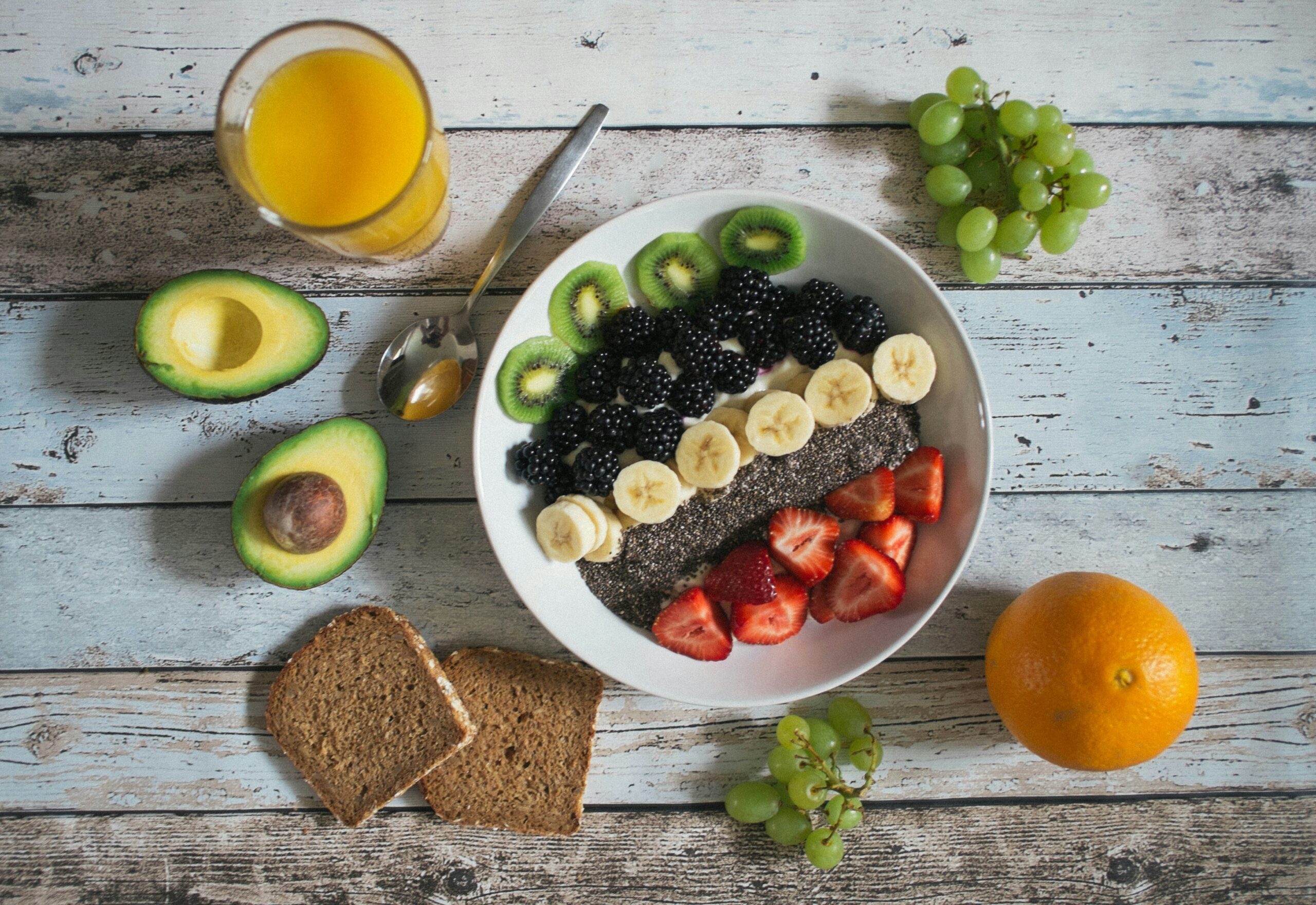
The concept of ‘fiber layering’ ultimately means intentionally adding different fiber-rich ingredients and, in some cases, fiber supplements, into one meal or dish. Rather than a “biohack”, Shapiro sees this as a return to fundamentals that have been overlooked in the world of nutrition. “Fiber layering is grounded in well-established nutrition science and experts support adequate fiber intake. Framing it as a “biohack” comes from social-media culture and is basically a catchy/trendy way to talk about something that dietitians have been recommending for decades,” she shares.
“Fiber doesn’t block food, instead it helps regulate digestion. Is it a magic hack? No. But as a habit, starting meals with vegetables, beans, a fiber-rich appetizer or even supplement is a smart, practical strategy that supports gut health, satiety and blood sugar balance without being extreme,” she shares. Per Shapiro, anyone can benefit from this approach, including people focused on energy, weight management, gut health, or blood sugar balance.
“Since fiber helps to slow digestion and prevent glucose spikes you’ll find that meeting recommended daily goals will help with energy, weight, gut health and blood sugar balance. This is the true beauty of fiber,” she says.
Fiber vs. protein hype

Katie Smith / Unsplash
Protein has dominated the wellness conversation for years, which has left fiber “behind” in the trends. According to Shapiro, the next wave of wellness isn’t about more extremes. Rather, it returns the focus to getting the fundamentals right.
Protein without fiber is only half the conversation. Most people are already getting enough protein, while over 90% of Americans aren’t meeting fiber recommendations. Fiber supports digestion, heart health, blood sugar control, and satiety, benefits protein alone can’t deliver. Animal protein sources do not contain any fiber, plant based protein like beans, legumes and tofu do contain fiber so it really depends on what protein the individual is eating and what they are pairing it with,” she shares.
With this in mind, Shapiro recommends her clients enjoy both protein and fiber at every meal and snack to promote optimal wellness. If you aren’t meeting your fiber goals, it could be the missing link (beyond hydration and other nutritional factors that play a role).
Fiber for whole-body wellness
While fiber is often associated with digestion, there are many lesser-known benefits that impact the whole body, such as heart health, metabolism, and more. “People are finally connecting the dots between fiber and health including: gut health, blood sugar balance, cholesterol, weight management, energy, regularity, digestion and even inflammation. Because fiber slows digestion, meals that contain adequate fiber deliver glucose more gradually into the bloodstream which results in steadier energy,” she shares.
For many people trying to jumpstart their health by adding more fiber into their diet, a lot of confusion comes into play between soluble and insoluble fiber. These two types of fiber work differently in the body. “Soluble fiber dissolves in water and forms a gel that slows digestion, helping regulate blood sugar, lower cholesterol, and increase fullness. Insoluble fiber doesn’t dissolve; it adds bulk to stool and supports regular digestion and gut motility. Most plant foods contain a mix of both, and understanding the difference helps people choose fiber sources that support goals like heart health, blood sugar balance, or digestive regularity.”
Choosing the right type of fiber
When it comes to choosing the right type of fiber for you, it’s not that one is better than the other. What you need individually may depend on your nutritional goals and your bioindividuality.
“For most people, psyllium fiber, the kind of fiber found in Metamucil and works with your digestive system, not against it. (no gas, bloating). It is a soluble, viscous fiber that when mixed with liquid forms a gentle gel in the gut.” It is important, however, to ensure you’re checking with your doctor to find a type of fiber best suited to your health goals. No matter what type of fiber you add into your diet, Shapiro reminds us all to introduce it slowly and consistently, paired with adequate fluids. Going “too hard, too soon” on fiber could lead to digestive upset.
Shapiro’s simple ways to add more fiber to your diet:
Follow the simple rule of filling half your plate with fruits and vegetables at every meal.
Maximize your fiber rich fruits like berries, kiwi and apples are great places to start. Remember frozen is as good as fresh.
Swap white grains/breads for whole grains/breads.
Add beans, legumes to your diet. Canned varieties are approved.
Limit consumption of ultra-processed and packaged foods.