Key Points
Almond butter and peanut butter offer nearly identical calories, protein, and fats, making both filling, nutrient-dense pantry staples.Almond butter delivers more vitamin E, calcium, and potassium, while peanut butter provides higher levels of selenium and B vitamins.The healthiest nut butter choice depends on your needs, but products made with only nuts—no added sugar, salt, or oils—are best.
Nut butters deserve a spot in your pantry shopping list. Not only are they filling and packed with essential nutrients (hello, healthy fats), but they’re wonderfully versatile, too. Use them as a dip, spread, or topping for toast, or add them to dressings or stir-fries. Plus, unopened jars of nut butter will last a long time in the pantry.
There are many types of nut butters available, but two of the most popular varieties are almond butter and peanut butter. They can be used similarly in recipes—but if nutrition is a priority, which is better? We asked dietitians to explain the nutritional differences between almond butter and peanut butter, and how to decide which is better for you.
Diana Guevara, RD, registered dietitian and nutritionist supervisor with the Nourish Program at UTHealth Houston
Amy Moyer, MEd, RDN, LDN, CCMS, registered dietitian and assistant professor at the University of North Carolina at Greensboro
Almond Butter Nutrition
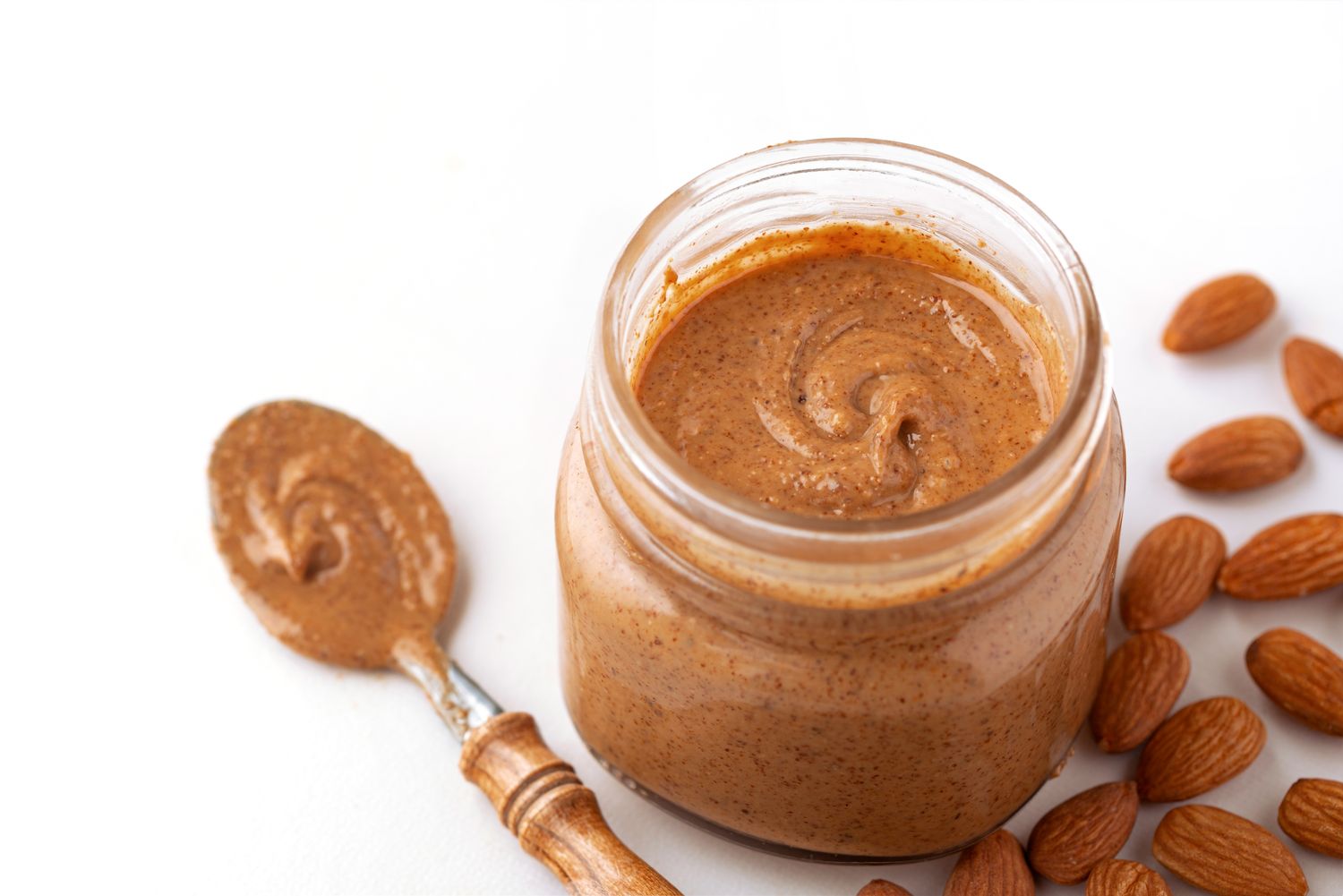
Almond butter is made by roasting and grinding almonds. It primarily provides fat with some carbohydrates and plant-based protein, says Diana Guevara, RD, registered dietitian and nutritionist supervisor with the Nourish Program at UTHealth Houston. Most of the fat is unsaturated, which is considered to be heart-healthy, says Guevara. “It also provides vitamins and minerals like magnesium, calcium, iron, and vitamin E,” she notes.
Here’s the nutritional profile of 1 tablespoon of almond butter without added salt, according to data provided by the USDA:
Calories: 98.2 caloriesCarbohydrate: 3.01 gramsProtein: 3.36 gramsFat: 8.88 gramsSaturated Fat: 0.664 gramsFiber: 1.65 gramsSugar: 0.709 gramsSodium: 1.12 milligrams
Peanut Butter Nutrition
Similarly, peanut butter is made by roasting and grinding peanuts. Nutritionally, peanut butter contains plant-based protein, some carbohydrates, and fats, most of which are unsaturated, notes Guevara. It also provides many vitamins and minerals, including vitamin E, magnesium, and fiber, says Amy Moyer, M.Ed, RDN, LDN, CCMS, a registered dietitian and assistant professor at the University of North Carolina at Greensboro.
Here’s the nutritional profile of 1 tablespoon of peanut butter without salt, according to data from the USDA:
Calories: 95.5 caloriesCarbohydrate: 3.57 gramsProtein: 3.55 gramsFat: 8.2 gramsSaturated Fat: 1.65 gramsFiber: 0.8 gramsSugar: 1.68 gramsSodium: 2.72 milligrams
Almond Butter vs. Peanut Butter
“In general, the nutritional profile of almond butter is very similar to peanut butter in terms of macronutrients,” says Guevara. (Macronutrients include carbohydrates, protein, and fat.) Almond butter has slightly less carbohydrates and protein and more fat, but less saturated fat, than peanut butter. As for vitamins and minerals? Almond butter has more than five times the calcium as peanut butter, and more iron, magnesium, phosphorus, potassium, and vitamin E, says Guevara. “Peanut butter, however, has much more selenium, vitamin B3, and vitamin B9,” she says.
Which Is Healthier?
Good news, nut butter fans: Both almond butter and peanut butter are great choices, says Guevara. The “healthiest” choice depends on your personal needs, she notes.
If you’re looking for more calcium, iron, magnesium, and vitamin E, almond butter is the way to go, according to Guevara. Alternatively, if you want to increase your intake of selenium, vitamin B3, or vitamin B9, peanut butter might be the better option. Overall, “almond butter may be a more heart-healthy choice due to the lower saturated fat content and higher potassium,” Guevara says.
How to Choose
As we mentioned, almond butter and peanut butter boast similar nutrients. Therefore, you might want to consider other factors when choosing between the two.
Allergies: Tree nuts (like almonds) and peanuts are two of the most common allergens, according to experts at the USDA. If you or someone in your household is allergic to either ingredient, let that drive your decision.
Price: “If budget is the bottom line, peanut butter will win, as almond butter can be a bit pricey,” says Moyer.
Flavor: Almond butter is relatively sweet and mild. Peanut butter is more savory.
Regardless of your pick, the nut butters offer similar uses in the kitchen. “Both almond butter and peanut butter are very versatile and can be used in many recipes,” says Moyer. Examples include smoothies, baked goods, savory dishes, oatmeal, or homemade granola bars, where the nut butter will pack in extra protein, fiber, vitamins, and minerals, she says.
What to Look For (and Avoid) When Buying Nut Butter
“The only ingredient necessary to make nut butter is the nut itself,” says Guevara. Additionally, “both almonds and peanuts have naturally occurring fats that are considered mostly healthy fats,” Guevara says. These fats give nut butter its iconic taste and creamy, thick consistency.
However, some manufacturers add sugars, salt, hydrogenated oil, or palm oil for flavor. Oils also promote smoothness and stability. These ingredients can diminish the nutritional content of the nut butter, so it’s worth avoiding or limiting them when possible.
“Adding sugars to peanut and almond butter contributes to your daily sugar intake, which may ultimately increase your risk of heart disease and diabetes,” says Moyer. Meanwhile, added salt will increase your sodium intake, which could lead to high blood pressure. Hydrogenated oil and palm oil are also high in saturated fat, which is associated with a higher risk of heart disease.
So, whether you’re buying almond butter or peanut butter, it’s important to pick one that’s made of nothing but nuts.