As intense as work life is, we can all use a hobby that occupies mental focus and lets us play. That’s why during the pandemic, I took up flying—that is, on a trapeze. As fun as it is, it’s also as risky as it sounds. Several months ago, I took a fall so serious that at first doctors thought my hip was broken.
Fortunately it wasn’t, but recovery would be steep. As I celebrated each small milestone, my physical therapist warned me, “Don’t be surprised if this injury ‘sticks’ with you for a while.”
She was right. I’m used to regular walking, yoga, strength training, and getting stronger from my body weight on the trapeze, and staying horizontal got old pretty quickly. Even as I stuck with my recovery protocol and steadily achieved a more normal routine, I noticed lingering aches and inflammation flare-ups, especially as I eased back into exercise or finished a busy day. I leaned on over-the-counter pain relievers, but I was wary of overrelying on these to get through everyday soreness.
That’s when the idea of turmeric occurred to me as a potential option. In part because I live in Southeast Asia, I was aware that for centuries “the golden spice” has been used in traditional medicine to address pain, swelling, and more. Turmeric is now widely sold in supplement form as curcumin, its active compound.
Before trying it myself, I reached out to Lily Lichtenstein, RD, LDN, a clinical dietitian at Tufts Medical Center, to understand what modern research supports—and what I could realistically expect for my own health. Here’s what she shared (and, as always, talk to your own doctor before adding any new supplements).
About the expert
Lily Lichtenstein, RD, LDN, is a clinical dietitian at Tufts Medical Center, where she specializes in critical care and oncology nutrition. In addition to her clinical work, she operates a sports nutrition private practice helping athletes achieve peak performance through nutrition.
Recent research about turmeric
 manusapon kasosod/Getty Images
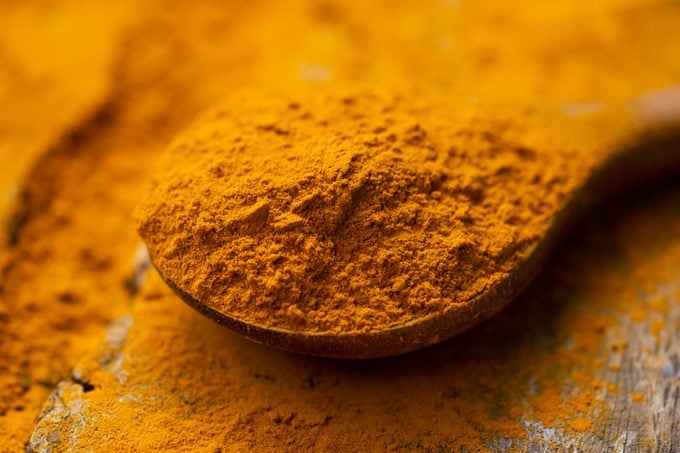
The difference between turmeric and curcumin is an important distinction. The supplement version typically delivers a significantly more concentrated curcumin dose than the turmeric you keep in your spice rack.
“Current research suggests that turmeric, specifically its bioactive component curcumin, may offer benefits for reducing inflammation, joint pain, oxidative stress, and adverse metabolic markers,” Lichtenstein says. She points to a 2024 systematic review of 103 studies published in Phytotherapy Research that supports curcumin’s anti-inflammatory effects. The analysis found that people taking curcumin experienced significant improvements in markers linked to inflammation and metabolic health, including blood sugar, cholesterol, and body weight.
Lichtenstein says that these types of benefits are mainly seen in laboratory measures rather than through dramatic symptom relief. That said, some people—particularly those with joint discomfort—may notice improvements with consistent use. A 2025 review of clinical trials published in the Journal of Rheumatic Diseases backs this up, finding that curcumin’s effects on joint pain and inflammation may actually be comparable to NSAIDs.
How to use a turmeric supplement
One challenge with turmeric supplementation is that dosage, form, and duration of use vary across studies, Lichtenstein explains. “More research is needed to determine the optimal dose and form for supplementation to achieve desired effects,” she says. Still, she shared practical guidance based on what current research does support.
“When choosing a turmeric supplement, it is important to look for one that contains curcumin, the active compound responsible for most of turmeric’s health effects,” she says. “Curcumin is not well absorbed on its own, so products that include black pepper extract (piperine) or use specialized formulations designed to improve absorption tend to be more effective.”
Taking curcumin with a meal that contains a healthy fat can also improve absorption, and most research supports doses of 500 to 1,500 milligrams (mg) daily. “There is no specific best time of day to take it, but taking it with food and, if needed, splitting the dose can help improve tolerance,” says Lichtenstein.
Most people tolerate curcumin well, though mild stomach upset is a possible side effect. Curcumin can also interact with some medications, including blood thinners, so it’s important to check with your doctor before starting a supplement.
I also made a commitment to be very intentional about keeping up with my physical therapy, getting plenty of rest (not easy for an active person like me), and prioritizing a balanced diet. I also reached out to my orthopedic doctor to make sure it was safe.
 VIA MERCHANT
How I felt while taking a turmeric supplement
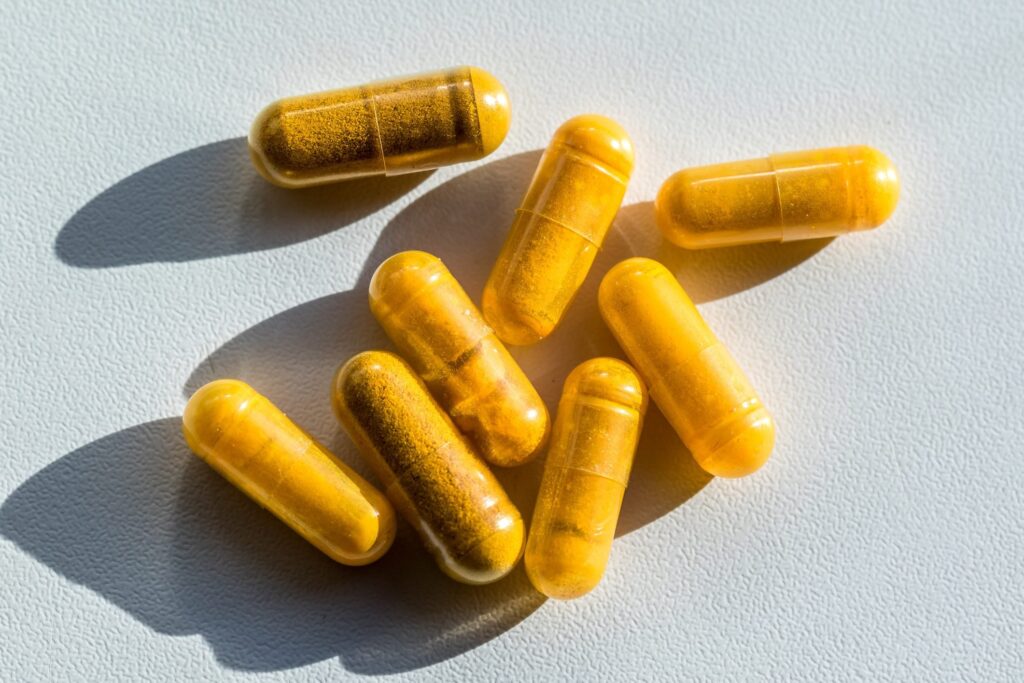
After getting approval from my doctor, I started with a Piping Rock-branded supplement containing 500 milligrams of curcumin and 3 milligrams of black pepper extract per capsule. I took one capsule with a breakfast of oats and Greek yogurt to help with absorption. After a week, I hadn’t noticed any stomach issues, so I increased the dose to 1,000 milligrams in the morning.
As Lichtenstein explained, the effects of curcumin tend to be gradual and subtle. But for someone like me—with stubborn joint stiffness and inflammation after my fall—I might notice mild improvements with consistent use.
That lined up with my experience. After a few weeks, I was able to get back into my daily walking routine. Post-exercise aches were less pronounced, especially in the injured hip. Notably, I stopped reaching for ibuprofen after training. My soreness didn’t disappear, but it felt more manageable with stretching, ice or heat, and rest. With curcumin’s anti-inflammatory effects quietly working in the background, I’d wake up the next day with much less stiffness than usual, even after intense workouts.
Interestingly, my mood also seemed to improve. Granted, just being able to move more played a role, as did experiencing less pain. But I learned that emerging research suggests curcumin may also influence the nervous system. A 2025 review published in Frontiers in Pharmacology points to potential effects ranging from calming the body’s stress response to offering neuroprotection that may reduce the risk of disorders like depression and cognitive decline.
As Lichtenstein told me, “Curcumin is best thought of as a long-term supportive supplement that may contribute to overall health when used consistently alongside a balanced diet and healthy lifestyle, rather than as a quick or standalone solution.”
While turmeric may not be a magic fix, the way it supported (or dare I say, sped up) my recovery over the course of six weeks has earned it a place in my morning routine—and not just for lingering joint issues, but as part of a broader approach to managing inflammation long term.
For daily wellness updates, subscribe to The Healthy newsletter and follow The Healthy on Facebook and Instagram. Keep reading: