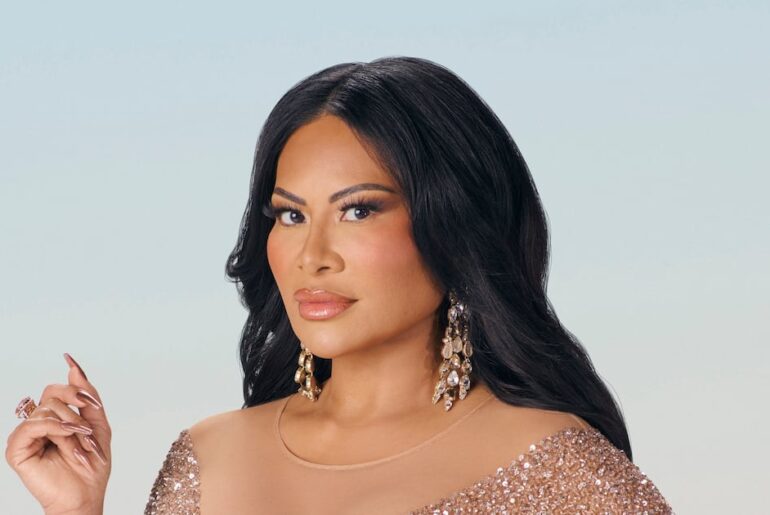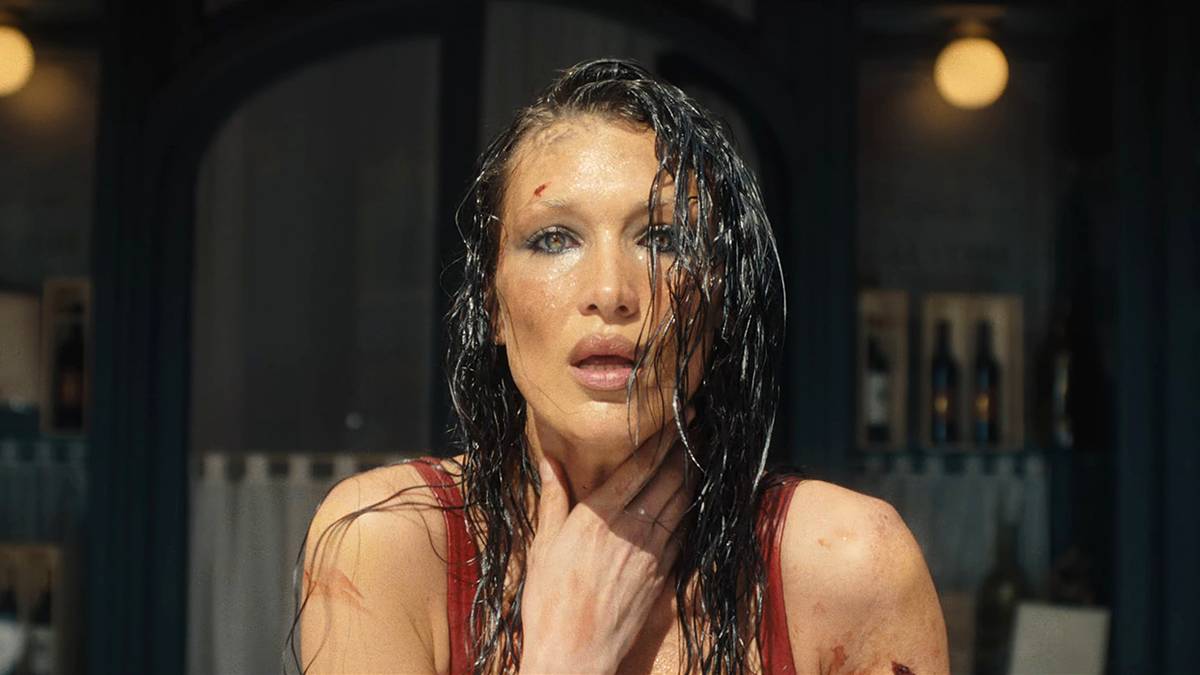
Ryan Murphy has admittedly been a polarizing figure in entertainment. While the creator has been accused of fudging the facts when it comes to biographical series based on real tragedies, he has also received blowback for his coverage of controversial issues in more genre-centric shows like American Horror Story. It’s surprising that Murphy has yet to tackle a comic book adaptation until now, as he generally is at his best when he’s working with established material. His latest inspiration, The Beauty, isn’t just one of the most underrated comic book runs of the 21st century, but a sharp social satire that has grown even more relevant.
The original run of The Beauty was released by Image Comics, a publisher known for developing more horror-centric comic books such as Spawn and The Walking Dead. The Beauty takes place in a version of contemporary society in which a sexually-transmitted infection can change someone’s physical form, allowing them to achieve the perceived version of beauty that media standards have lionized. While nearly half of the world’s population has become infected, the infection itself has dangerous repercussions that pose a danger to anyone who contracts it. Although Murphy is bound to expand on the material, as The Beauty only ran for just over thirty issues, the comic series combined high-concept body horror with observations about societal norms that have proven to be eerily prescient.
What Is ‘The Beauty’ About?
A challenge that many new comic book series face, especially those that aren’t based on DC or Marvel properties, is taking the time to develop worldbuilding without boring the audience with endless exposition. The Beauty finds a way to avoid pacing issues because the series begins after the infection has already become widely popular, leading the government to give it the nickname of “the beauty.” The mystery at hand isn’t what “the beauty” can do, as there’s already evidence to suggest that the infection could be harmful, and even lethal to those who willingly are infected by it. The broader question is who stands to benefit from the spread, as standards of human physicality are typically set by those with an agenda. Although the impending adaptation has already led to many comparisons to the Oscar-nominated body horror film The Substance, the original comic book series by Jeremy Haun and Jason A. Hurley imagines a world in which access to the deadly infection was available to everyone, not just celebrities.
Related
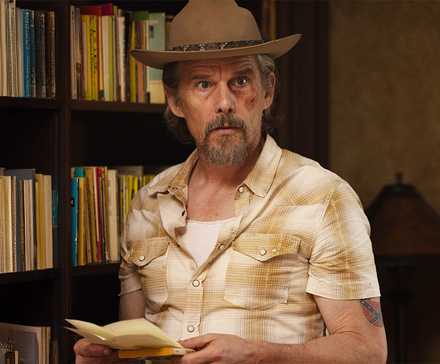
Ethan Hawke’s Underrated FX Crime Drama Is Perfectly Using This Legendary Western Star
One of the show’s omnipresent voices is also one of the genre’s best actors.
The Beauty works because it’s an investigative series that focuses on Detectives Foster and Vaughn, who have the foresight to recognize that a majority of the world’s population could be in danger. While framing the story as a mystery thriller in the vein of The X-Files or Twin Peaks is a clever way to hook in the audience, The Beauty also has the time to explore the real psychological effects of what physical distortion can do to public consciousness. It’s noted in the series that those with desirable traits are more often given opportunities and awarded with success, which makes the quest to perfect one’s image both a personal mission and a practical goal. At the same time, the series also examines how societal perception changes when a trend of style becomes too dominant; sexual attraction is developed in the series between characters who are “unaffected,” as they grow interested in those who are “pure” and have not made any effort to augment their image.
‘The Beauty’ Still Remains Relevant Today
It may be only a decade old, but The Beauty develops a parallel version of society that has begun to look more like reality. In the years since the last issue hit shelves, social media has made it increasingly challenging to determine what cosmetic or surgical adjustments people have made to their bodies, as there is even more pressure to document one’s life on public platforms. Beyond the newfound popularity of Ozempic, the fact that The Beauty was written in a pre-MeToo era means that the adaptation will have more room to explore the realities of STIs and why an intentional spread challenges the rules of consent. Although the comic does analyze the economic complications of its premise, as those with more capital are more likely to have the time to perfect their self-image, the subsequent disruptions to the American financial market make this nuance even more prominent.
Even at his most indulgent, Murphy is generally capable of making something visually compelling and stylistically inventive, and he’s never failed to conjure an interesting cast; the ensemble for his version of The Beauty includes Evan Peters, Ashton Kutcher, Jeremy Pope, Rebecca Hall, and Isabella Rossellini. However, the comic version of The Beauty is worth checking out first because there are facets of its commentary that work best in the original medium. With the freedom of an expressionistic art form that doesn’t have to ground itself entirely within reality, writers Haun and Hurley use an avant-garde art style to point out how ridiculous it is that society has come to agree upon what the perfect physical form should be, and how dangerous it is for any alterations to be rejected. Regardless of how The Beauty ends up performing, it should hopefully generate more interest in a comic book run that is certainly deserving of more attention.