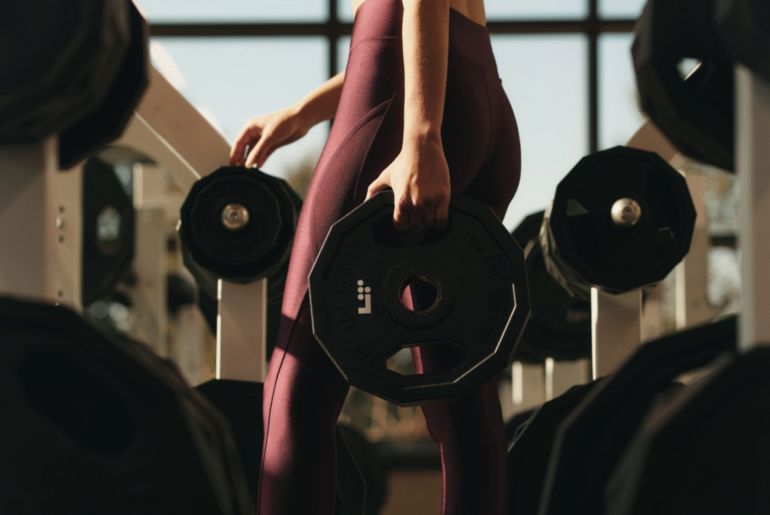
“Throughout my career, I’ve not seen anything shift the fitness landscape this dramatically,” says Aimee Victoria Long, who has been training clients for the past 12 years, and is one of London’s top fitness experts. “I’ve been working with people from their 20s right through into their 80s and 90s, so I’ve seen many different phases of how people approach weight, health, and performance. But nothing like this.”
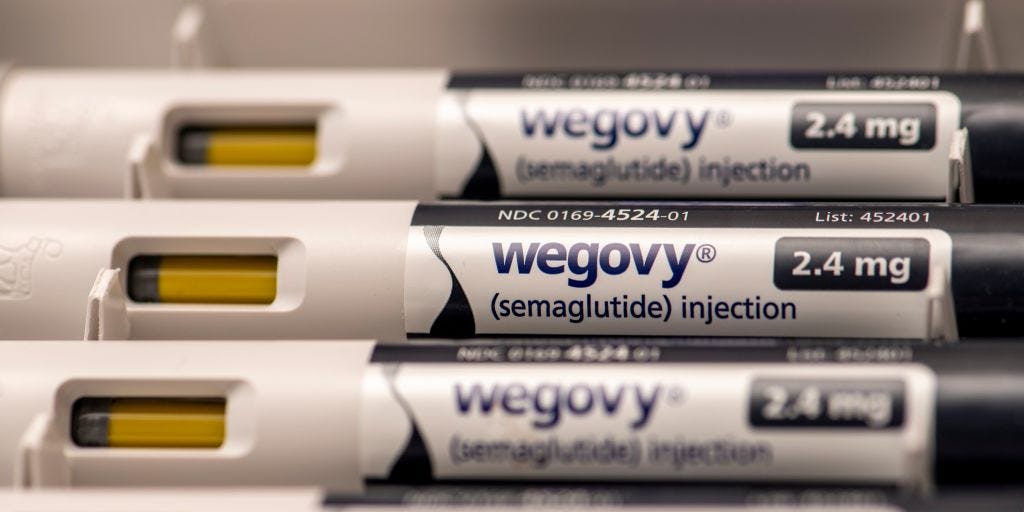
Up until a few years ago, unless you were a medical professional or had diabetes you probably wouldn’t have heard of GLP-1s (more commonly known by their brand names Wegovy and Mounjaro). Now? Approximately 1.6 million adults in the UK are on them. The knock-on effect this has had on the health, fitness and wellness industry has been gigantic. Both Morrisons and M&S have released ranges of smaller portion meals designed for reduced appetites and Weight Watchers, which has promoted a non-medical, food based approach to weight-loss since the 1960s, saw the drugs upend their business so much they faced bankruptcy and, as a result, have recently partnered with a provider of the drug.
As for personal trainers, they’ve seen a huge increase in the number of clients that they see on GLP-1s. “I went from having zero clients on a GLP-1 protocol to about 10% of my current client base in a very short window,” says personal trainer and founder of integrated wellbeing studio Fedflow, Federica Gianni. “It’s no longer a rare occurrence; it’s become a common factor that I have to account for when designing safe and effective strength programs.”
Everyone’s clicking on…
So, with such a seismic shift on the fitness industry, what do personal trainers – who work day in, and day out with those on them – really think of GLP-1s?
A nation gripped
It was around 18 months ago that personal trainer Monty Simmons first started to notice the change. When new clients started to come in, they’d be upfront about their use of GLP-1s straight away. “People tend to be fairly open about it and bring it up in their first consultation, I don’t think there’s much stigma surrounding it anymore. It feels like a normal part of the landscape now.”
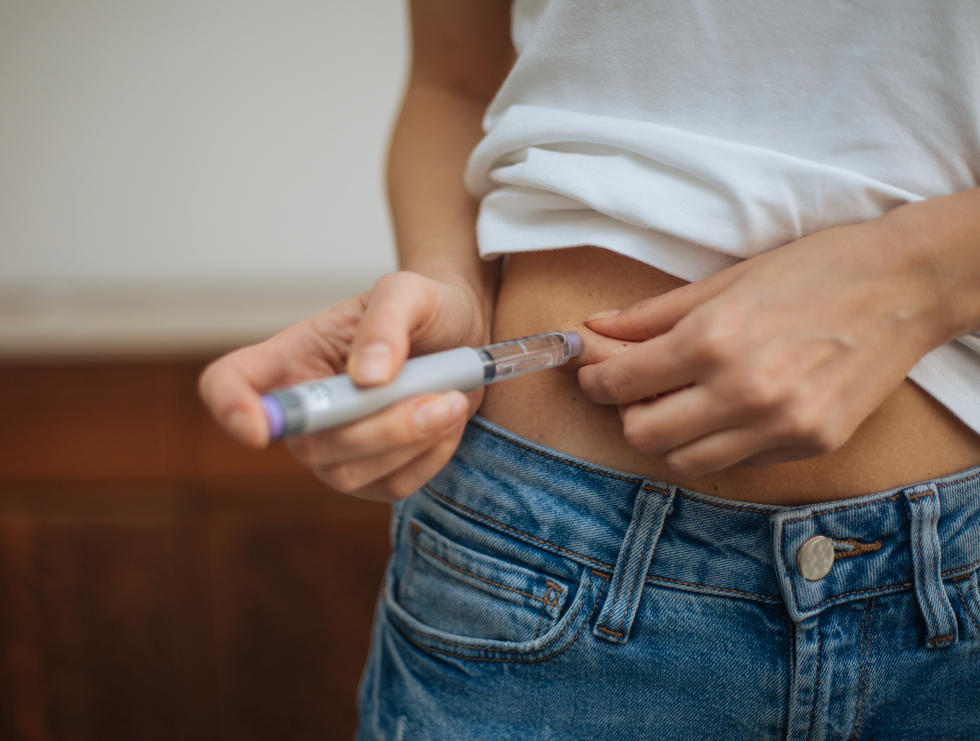
Originally prescribed to treat Type 2 diabetes, GLP-1 medicines work by mimicking a natural hormone in the body that helps to regulate blood sugar levels and appetite. Yet, despite widespread media frenzy, nicknaming them “skinny jabs”, in the UK, the NHS is clear: GLP-1s are only licensed to treat specific medical disorders and should only be used if you are overweight, or diabetic and not if you want to lose weight for cosmetic reasons. But… that hasn’t exactly stopped people. In the UK, 95% of users now access the drugs outside of the NHS.


Getty Images
As, how we view our weight has, and likely never will be, purely medical. This explosion of GLP-1s is happening in a society that has always been f*cked up when it comes to how we view weight-loss and weight-gain. We praise thinness, linking it (incorrectly) with control and virtue and fatness with failure. Think of how, in 1999, it was deemed normal for Victoria Beckham to be weighed live on TV, weeks after giving birth, or how characters such as Bridget Jones and Natalie from Love Actually were labelled “chubby.”
A brief flurry of body positivity followed but didn’t last, and today bodies are still talked about as trends we should all follow with the New York Post proclaiming “bye bye booty: heroin chic is back” and celebrities on red carpets looking tinier than ever before. So while, yes, NHS guidance should be listened to and followed, our consumption and obsession with GLP-1s is incredibly complicated, nuanced and shaped by a culture that has moralised body size for centuries.
It also feels like women can’t win, with criticisms coming thick and fast for those on the medication with terms like ‘Ozempic face’ and ‘Ozempic butt’ being thrown around, cruelly. (Ozempic is also not licensed in the UK for weight-loss) More recently, praise has been heaped on women who lost weight “with discipline and training” with recent reports stating that toned and muscly arms are the new “status symbol”. According to the Financial Times, they have now become a goal for those who are “keen to project an interest in health and wellness, rather than just skinniness.” Essentially, it feels like we have pushed for women to pursue thinness above everything and anything else, and then, when they do we criticise them for “cheating.”
It’s also unfair to imply that everyone on GLP-1s is only doing so to “get skinny” or for entirely vanity purposes (but also, when skinniness as an aesthetic has been pushed on us for our entire lives, can you blame those who do?!) There are, of course, those who have found the medications to be life-changing when it comes to managing their Type-2 diabetes, or those with conditions like PCOS or chronic pain, that can make losing weight via more traditional routes incredibly difficult.
The personal trainers we spoke to for this article all said that their clients’ motivations behind going on GLP-1s were varied and understandable: “All of the clients I currently have on GLP-1s have tried extreme dieting in the past and struggled with the psychological load of it,” says Simmons. “This feels like a way for them to reset and get started again.” Gianni notes that she’s seen a “surprisingly wide variety” of clients across different genders, professions, and lifestyles. “There isn’t one ‘typical’ profile. However, the common denominator is often their struggle with ‘food noise’. For these clients, the medication isn’t just about weight loss; it’s about finally silencing those constant intrusive thoughts about food, which allows them to focus more effectively on their training and nutrition.”
GLP-1s in the gym
“The biggest change is how little people are eating – often far less than they realise,” says Victoria Long. “Because these drugs suppress appetite, many people unintentionally under-fuel their workouts, especially for strength training, Pilates, and higher-intensity sessions.”
With many of her programs including strength training and Reformer Pilates, Victoria Long notes that when her clients are under-fuelled she sees them “fatigue more quickly, struggle to maintain form, and lose power in movements like squats, lunges, presses, and even Pilates exercises that require sustained tension. This increases injury risk and makes it harder to build or even maintain muscle. At the same time, some clients feel more confident as their body changes, which can make them more engaged and motivated in training, so there can be a positive psychological boost. But physiologically, the body still needs enough energy, protein, and micronutrients to support performance, recovery, and tissue repair.”
This is the “double-edged sword” that all the PTs we spoke to for this article had noticed in the impact GLP-1s had on training. “On one hand, the confidence boost is undeniable. For many, losing that initial weight and silencing the ‘food noise’ makes them feel more capable and less self-conscious in the gym. They are more motivated to show up because they are seeing faster results to their hard work,” explains Gianni. “From a physiological standpoint, however, I’ve had to be very specific with their programming. I wouldn’t say there are moves they can’t do—in fact, in most cases, they move with much more ease as the weight comes off—but we’ve had to adjust the intensity and volume.”

agrobacter//Getty Images
This, she explains, is even more noticeable in clients who have had to pause their regular workouts, due to travel or work, and have then found that “their weight-loss came at the expense of muscle, leading to a noticeable decrease in muscle tonicity.”
In some studies, reductions in lean mass range from 40% to 60% as a proportion to total weight lost, however, as the drugs are fairly new, so is the research has to the long-term impacts they will have on our bodies.
“Across the industry as a whole, rapid weight loss on GLP-1s often includes significant muscle loss,” says Victoria Long. “Without careful nutrition and resistance training, the body doesn’t just burn fat, it breaks down muscle too. That leads to people becoming weaker, more fatigued, and more prone to injury, especially in midlife and older clients.”
This, in turn, has an impact on confidence levels, with Gianni saying that she’s had clients wanting to stop GLP-1 medications due to feeling themselves “losing ‘shape’ and feeling weaker… It really drives home the point that these medications require a ‘muscle-first’ approach to be successful; without the strength work, the physical and mental trade-off often isn’t worth it for them.”
A new routine
When one of her clients returned after a break, Gianni immediately noticed the shift. “[There had been] rapid fat loss and distinct changes in muscle tonicity [so those] were immediate indicators. This led to an important conversation about their new medication protocol and how we could best support their body composition through targeted training.” The huge increase in the number of people taking GLP-1s, she says, requires trainers to have to be even more “diligent about monitoring our clients’ body composition.”
All of the trainers we spoke to for this feature had specifically tailor their programmes, to suit the emerging needs for their clients on GLP-1s. “I’m very attentive to how people feel on the day, so adjustments happen naturally,” explains Monty. “If someone feels underpowered, we’ll usually reduce load by around 10–15%, shave off a set, or accept fewer reps. The priority is still muscle preservation and strength, not calorie burn. They’re already in a significant calorie deficit, so high-intensity work isn’t necessary. I’ll often extend rest times slightly and focus on quality reps. I also emphasise diet quality. If appetite is low, that appetite needs to be filled with nutrient-dense foods, not skipped entirely.”
Federica is keen to remind her clients that working out should never just be about how we look, but instead contribute to overall health and longevity. “You don’t want to just be smaller; you want to stay strong and functional,” she says. “Because these medications significantly reduce calorie intake, some clients find they have less ‘fuel in the tank’ for high-intensity bursts or extremely taxing, heavy lifts. To counter this, we pivot toward high-quality, controlled resistance training, prioritising the maintenance of lean muscle mass above all else. We might slow down the tempo or increase rest periods to manage their energy levels.”
“Sessions are often shorter or broken into smaller chunks, with more focus on technique and mobility rather than just volume or heavy lifting,” says Sarah Campus, a personal trainer who specialises in training women and founded holistic wellness platform LDN MUM’S FITNESS. “I have needed to increase recovery times between sets and workouts, and I prioritise compound lifts that are manageable rather than pushing maximal loads. Nutrition support has become more critical to ensure they maintain their energy, so I monitor protein and calorie intake closely.”
Elite training
Every trainer we spoke to was careful, considered and took their client’s health incredibly seriously. “For my clients, most of them work with my whole team, so get support from our nutritionist, are working alongside a doctors and get regular health testing,” explains Victoria Long. All trainers recommended those thinking of going on GLP-1s to work with a coach who “who understands how to adjust training and who has empathy, but also someone who will help you build long-term structure and guardrails,” says Simmons.
Unfortunately, this is a privilege few can afford. A session with a personal trainer can cost between £40 – £100 per hour, and monthly gym memberships can range from £30 to £100 per month. Then, that’s on top of how much the medication costs itself (if you’re not eligible for it on the NHS) with the suggested price for a month’s dose set to hike by 170%, going from £122 to £330. The cost, and demand, for GLP-1s has seen a dangerous black market emerge, with fake imitators of the drug being sold in beauty salons and on social media.
Karen McGonical, a 53-year-old woman from Salford died last year after being injected in the backroom of a beauty salon, having paid £20, while the NHS has noted a rise in people experiencing severe side effects from fakes. Recently authorities dismantled a UK-based factory producing fake jabs, with a street value exceeding £250,000.
“But they change how you eat, how you recover, and how your body adapts to exercise.”
The only way to guarantee you receive a genuine GLP-1 medicine is to obtain it from a legitimate pharmacy, including those trading online, with a prescription issued by a healthcare professional. For pharmacies based in Great Britain you can check on the General Pharmaceutical Council’s (GPhC) website that it is properly registered. For pharmacies based in Northern Ireland please refer to the Pharmaceutical Society of Northern Ireland’s (PSNI) website. The government also advise that if you want to get a GLP-1 medicine privately, a consultation with a healthcare professional must happen before the prescription can be issued, so that the prescriber can carry out proper checks and make sure you are aware of the benefits and risks of taking the medicine.
Also, because some do experience side-effects associated with the medication, from those impacting the body (including nausea, bloating and constipation ) and those that impact the mind (some people report anxiety, depression and suicidal thoughts) anyone who is considering GLP-1s should be doing so with regular medical check-ins with their doctor.
“These medications can be incredibly effective, especially for people with metabolic issues or lifelong struggles with weight,” adds Victoria Long. “But they change how you eat, how you recover, and how your body adapts to exercise. If you’re training while using them, you need a balanced, nutrient-dense diet – not just protein, but carbohydrates, healthy fats, and enough vitamins and minerals to support muscle, hormones, and the nervous system. You also need resistance training to protect your muscle mass. Used without the right medical and nutritional support, they can leave people smaller, but also weaker and more fragile and that’s not what true fitness looks like.”
When discussing GLP-1s it’s impossible there’s no such thing as a one-size fits all opinion or approach, as everyone’s health and body goals and needs are different. Unfortunately, we’ve been raised in a society that screams at us, increasingly, that we all should look one way: and that one way is thin. But thinness does not automatically equate to healthiness, healthiness comes from a whole host of different factors, both mental and physical, that can’t be found in one pen. “It’s very easy to see GLP-1s as something that will save you, and I understand that. Everyone wants a safety net,” says Simmons. “[GLP-1s] can’t replace exercise, strength training, or long-term habits. You still need to train to protect muscle mass, support bone density, maintain cardiovascular health, and keep energy levels up. None of that comes from the medication alone.”
Catriona Innes is Commissioning Director at Cosmopolitan, you can follow her on Substack and on Instagram.
Related Stories
Catriona Innes is Cosmopolitan UK’s multiple award-winning Commissioning Editor, who has won BSME awards both for her longform investigative journalism as well as for leading the Cosmopolitan features department. Alongside commissioning and editing the features section, both online and in print, Catriona regularly writes her own hard-hitting investigations spending months researching some of the most pressing issues affecting young women today.
She has spent time undercover with specialist police forces, domestic abuse social workers and even Playboy Bunnies to create articles that take readers to the heart of the story. Catriona is also a published author, poet and volunteers with a number of organisations that directly help the homeless community of London. She’s often found challenging her weak ankles in towering heels through the streets of Soho. Follow her on Instagram and Twitter.