The dance floor and after-hours antics are still calling, but they now come with water breaks and daylight. Soft clubbing, daylife parties and wellness raves are rewriting the rules of nightlife, keeping the music bass heavy, the energy high and bedtime within reach. What began as a quiet pullback from alcohol has grown into a social reset, where people show up to connect and actually remember the night without paying for it the next day.
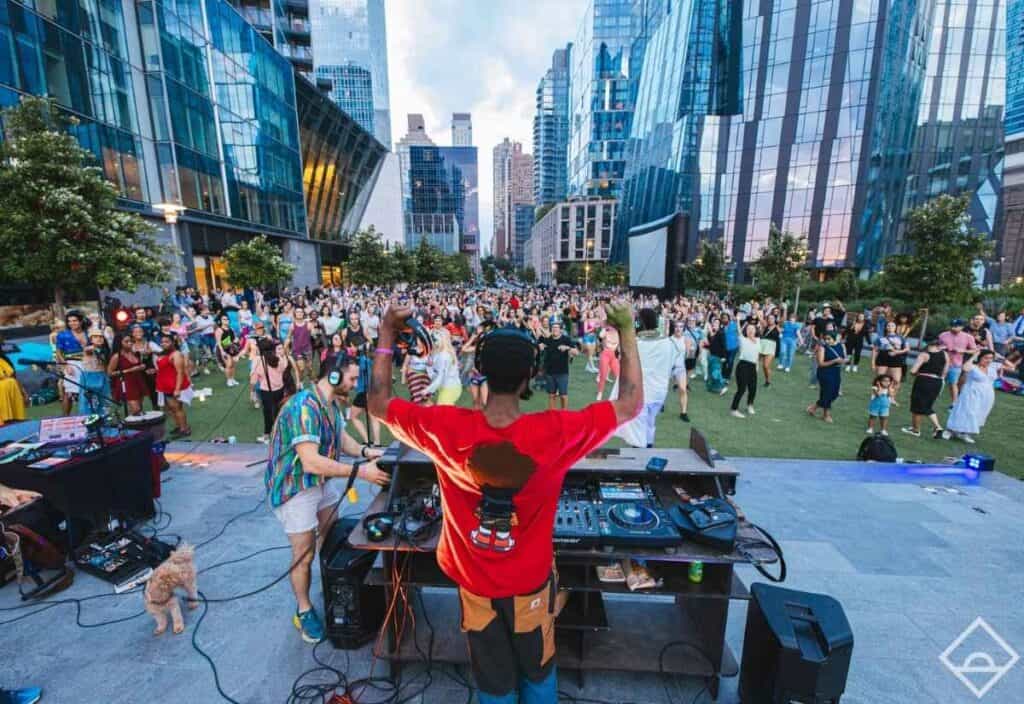 Photo credit: Daybreaker.
Instead of chasing the familiar late-night spiral, sober experiences are giving people a way to dance, socialize and move their bodies while still feeling good about it. The fun stays intact, but the pace makes it easier to drop in, step away when ready and carry on with the rest of the day feeling steady.
A new way to party
Soft clubbing grew out of a change many young adults already feel in daily life, where alcohol plays a smaller role than it did even a few years ago. In 2023, about 59% of young adults said they drank alcohol, and by 2025, that share had fallen to 50%. Instead of walking away from social spaces, many people started reshaping them.
That shift led to a new kind of party built around the same social core, with soft clubbing keeping dancing, conversation and music at the center but operating within a different setting. Alcohol is not the driver, and the energy stays controlled rather than chaotic. Events often take place earlier in the day, which makes them easier to fit into real routines.
At the center of this movement is Daybreaker. Founded in New York City more than a decade ago, the group began hosting sober dance gatherings long before phrases like wellness raves or daylife became common. The goal focused on keeping joy and shared energy without late nights or drinking culture.
Over time, that idea expanded far beyond its original format. Daybreaker now reaches more than 800,000 people across more than 60 cities worldwide. That expansion carried the concept beyond early dance sessions into daytime events that build community through collective movement rather than deliberate networking.
Dance floors in daylight
Daylife events have become a defining part of soft clubbing, associated with gatherings that begin early, run through the afternoon or end well before midnight. The venues change along with the schedule, moving away from traditional club layouts and into more familiar daytime spaces. Cafes push tables aside and bring in DJs and lighting, turning everyday rooms into dance floors built for daylight hours. This setup lowers the barrier to entry and opens the door to people who want music and social energy without sacrificing the rest of their day.
Other venues follow the same flexible model, as art galleries and rooftops briefly turn into party spaces. The mood stays relaxed, shaped by soft lighting, controlled sound and welcoming decor that supports easy movement and conversation. Guests can engage or step back without pressure, keeping the focus on presence instead of testing limits or matching a crowd’s pace.
Fitness and music come together
Wellness and fitness raves bring movement into the center of the party. These events blend live DJ sets with guided workouts that range from yoga sessions to high-energy dance blocks. Some include strength training or group runs, all timed to music rather than silence. The result feels active and social instead of passive.
These gatherings also serve a clear social role by bringing people in for the workout and keeping them there for the shared experience. The format makes it easy to meet others through common interests rather than small talk. Many attendees treat these events as a place to connect, return regularly and build community outside of work or home.
The appeal lies in the mix of effort and release, as music sets the pace, bodies move with purpose and energy builds in a way that feels earned. Attendees leave feeling charged rather than depleted. For many, this format replaces the rush once tied to nightlife with something that feels better the next day.
Social culture evolves
The rise of sober experiences points to a broader reset in social culture. People want a connection that feels real and sustainable, not something that leaves them exhausted the next day. Daylife events answer that need by stepping away from late nights, heavy noise and habits that wear people down over time.
Radha Agrawal, co-founder of Daybreaker, frames the movement as a course correction rather than a passing phase. “Daylife isn’t a trend; it’s a cultural correction,” she said. “This generation wants joy without burnout, connection without numbing and celebration that adds to their lives instead of taking from them. When you remove substances and late-night barriers, you don’t lose the party; you widen the circle. Daylife creates InterGen spaces where twenty-somethings dance alongside elders, parents and artists. That’s where belonging comes alive.”
This view of daytime celebration reframes the experience away from late nights that drain energy and break normal sleep schedules. People leave feeling steady and clear, enough to comfortably move into the rest of the day instead of spending it recovering. Music and movement still matter, but excess no longer defines the experience. For many attendees, the value comes from events that fit into life rather than disrupt it.
The healthier way to gather
Soft clubbing shows that people are not giving up the pull of music, movement and shared energy that once defined nightlife. Instead, they are choosing versions that happen earlier, feel healthier and leave room for the rest of the day to unfold. By weaving celebration into everyday routines rather than pushing it to the margins, these events keep the intimacy of the dance floor while making it easier to return to real life feeling clear and connected.
Jennifer Allen is a retired professional chef and long-time writer. Her work appears in dozens of publications, including MSN, Yahoo, The Washington Post and The Seattle Times. These days, she’s busy in the kitchen developing recipes and traveling the world, and you can find all her best creations at Cook What You Love.
The post Soft clubbing and wellness raves prove you don’t need alcohol to have a good time appeared first on Food Drink Life.