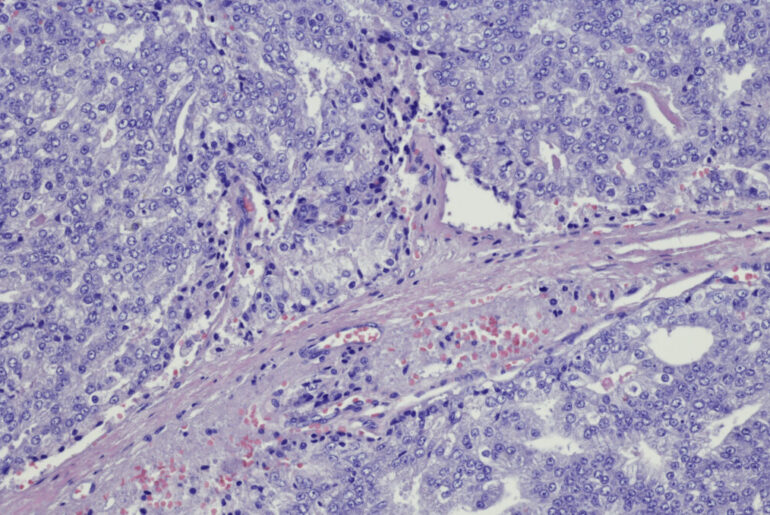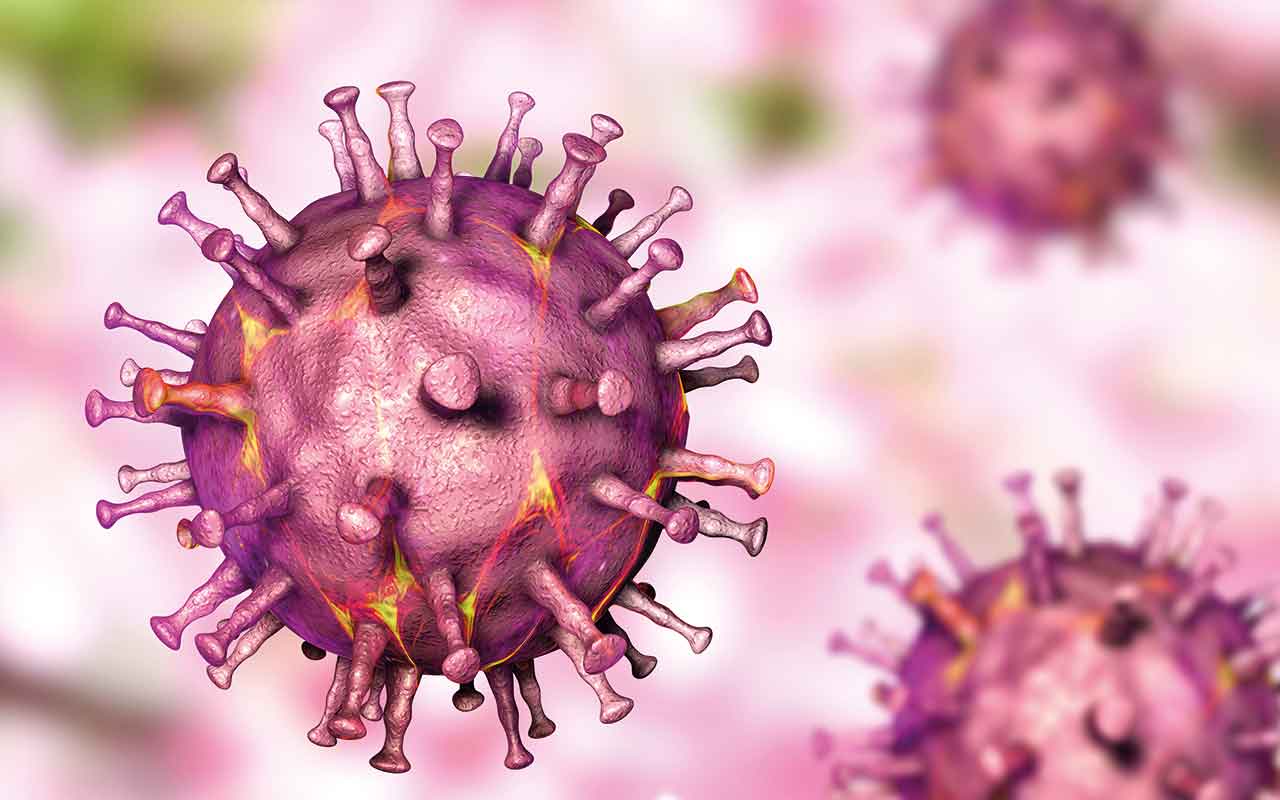
A new study has highlighted the early loss of immune cells in pigs infected with the ASF virus (ASFV), possibly explaining why vaccines remain elusive and the disease is almost always fatal.
Writing in Discovery Immunology, scientists at the Pirbright Institute explained how, using highly inbred Babraham pigs to reduce genetic variability, they examined early virus spread and immune cell dynamics following infection through routes that closely mimic natural exposure.
They found ASFV quickly disrupts immune responses, which are key to sensing and controlling infections. “This early loss of key immune cell populations helps explain why pigs infected with highly virulent ASFV rarely survive” Dr Priscilla Tng, from Pirbright’s African Swine Fever Vaccinology Group, said.
The findings suggest the speed and breadth of immune disruption caused by virulent ASFV strains may be a defining feature of acute disease. Understanding more about this could hold the key to the design of future vaccines, they conclude.
“The virus was detected in lymphoid tissues associated with the mouth and respiratory tract within one to three days of infection before spreading systemically. By the time clinical signs such as fever and lethargy appeared, often within a week, critical immune cell populations were already being depleted,” Dr Tng said.
The researchers observed widespread loss and dysfunction of immune cells essential for mounting effective defences, including T cells, dendritic cells, natural killer (NK) cells and macrophages. “Many of these cells showed signs of apoptosis, or programmed cell death, suggesting that the virus not only infects immune cells directly but also triggers their destruction,” she added.
Notably, the study showed the collapse of the ‘innate-adaptive interface’ – the coordinated interaction between early, non-specific immune responses and the longer-lasting adaptive response. Cells that normally connect these two arms of immunity, such as dendritic cells and gamma-delta (γδ) T cells, were rapidly depleted or rendered dysfunctional.
“Our findings highlight the need to investigate the innate-adaptive axis further with different ASFV isolates of varying virulence to determine if this immune imbalance is a defining feature of acute ASFV infection,” the Pirbright researchers concluded.